
The Most Valuable Comic Books of All Time
From Action Comics #1 to Amazing Fantasy #15 — the record-holders and why.
 By Web Admin
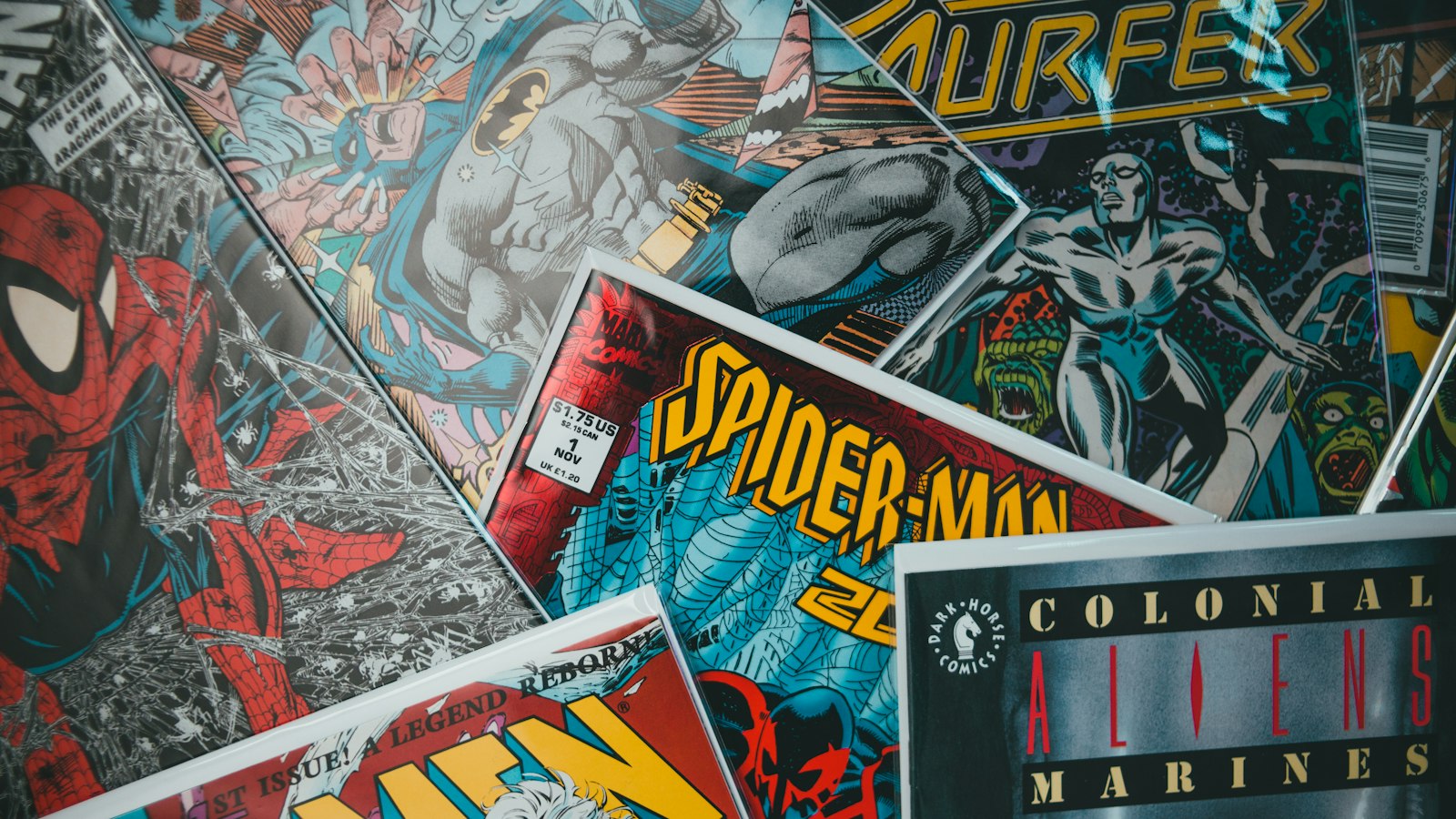
A handful of comic books have sold for more than a house — in a couple of cases, more than a small apartment block. These are not the shiny variant covers pulled from a shop last month; they are fragile, eighty-year-old newsstand pamphlets that once cost a dime and now change hands for seven figures. This guide walks through the most valuable comic books of all time, why each one commands the prices it does, and the single factor — condition — that separates a US$3,000 copy from a US$3 million one.
A quick note on numbers before we start. Auction records move, private sales are often confidential, and headline figures get inflated in the retelling. Everything below uses reported public sale figures and honest ranges rather than made-up precision. If we say a book “reportedly” sold for a sum, treat it as the best public estimate, not gospel.
What actually makes a comic valuable?
Before the roll call, it helps to understand the four levers that set a vintage comic’s price. Almost every record-breaker sits at the intersection of all four.
- Historical firsts. The first appearance of an era-defining character — Superman, Batman, Spider-Man — is the single biggest driver. These books launched entire genres and companies.
- Scarcity. Golden Age print runs were large, but wartime paper drives, disposability, and simple time destroyed most copies. High-grade survivors are vanishingly rare.
- Condition. Grade is everything at the top of the market. The same issue can be worth a few thousand dollars beaten up and millions near-perfect.
- Provenance and certification. A professionally graded, encapsulated copy — and, better still, one with a documented history (a “pedigree” collection) — commands a premium buyers will pay for confidence.
If you’re new to how condition is scored, our guide to comic book grading explained is the essential companion to this article, and the comic book ages explained primer sets the historical context.
Action Comics #1 (1938): the one that started it all
Nothing else is close. Action Comics #1 introduced Superman, invented the superhero as we know it, and effectively created the American comic book industry. Fewer than 100 copies are believed to survive in any condition, and high-grade examples are counted on one hand.
First appearance of Superman. A CGC 8.5 copy reportedly sold for US$3.25 million in 2021, and higher figures have been reported since for top-grade examples.
The spread here tells the whole story of grading: a low-grade, coverless copy might trade in the low six figures, while a near-mint survivor sits in the multi-millions. It is, by almost any measure, the most valuable comic book in the world.
Detective Comics #27 (1939): the first Batman
If Superman built the house, Batman furnished it. Detective Comics #27 marks the Dark Knight’s debut and is the second-most-coveted Golden Age book behind Action Comics #1. Survivors are even scarcer in some grades.
First appearance of Batman. High-grade copies have reportedly sold in the US$1.5M–$2M+ range at major auctions.
For readers who want to actually read early Batman rather than vault it, our Batman reading order maps the modern collected editions instead.
Amazing Fantasy #15 (1962): Spider-Man arrives
The most valuable Silver Age book, Amazing Fantasy #15 introduced Spider-Man in the title’s final issue — a last-ditch gamble that became Marvel’s cornerstone. Because it was the series’ cancellation issue, print quantities and survival rates make high grades genuinely rare.
First appearance of Spider-Man. A CGC 9.6 copy reportedly sold for around US$3.6 million in 2021, a record for any Silver Age comic.
Spider-Man’s on-page history is a lot more accessible than his key issues; see our Spider-Man reading order and our pick of the best Spider-Man comics.
Marvel Comics #1 (1939): the company’s genesis
Published under the Timely Comics banner that would become Marvel, Marvel Comics #1 introduced the original android Human Torch and Namor the Sub-Mariner. It is the foundational Marvel book and one of the rarest of all Golden Age keys in top grade.
First Timely/Marvel comic; debuts the original Human Torch and Namor. A high-grade 'pay copy' reportedly sold for over US$1.2 million.
All Star Comics #8 (1941): Wonder Woman debuts
Wonder Woman first appears in the back of All Star Comics #8, months before headlining her own title. As the debut of the most important female superhero ever created, it is a blue-chip key that has appreciated sharply.
First appearance of Wonder Woman. A high-grade copy reportedly sold in the US$1.5 million range.
The Bronze and modern keys that quietly climbed
Not every valuable comic is eighty years old. A cluster of newer keys have posted eye-watering results, driven by film adaptations and character popularity.
| Issue | Year | Significance | Approx. value range |
|---|---|---|---|
| X-Men #1 | 1963 | First X-Men team | US$25K–$800K+ |
| Incredible Hulk #181 | 1974 | First full Wolverine | US$3K–$150K+ |
| Giant-Size X-Men #1 | 1975 | New X-Men team debut | US$2K–$60K+ |
| Batman Adventures #12 | 1992 | First Harley Quinn in comics | US$500–$20K+ |
| New Mutants #98 | 1991 | First Deadpool | US$300–$12K+ |
Incredible Hulk #181 in particular shows how a single character’s screen success can transform a book’s value; Wolverine’s popularity turned a mid-1970s issue into one of the era’s most-chased keys. For a look at which recent books might follow that path, see our modern key issue watch.
Why grade changes everything
It is impossible to overstate how much condition drives these numbers. Professional grading services assign a number from 0.5 to 10.0, and the price curve near the top is exponential rather than linear.
Pros
- A certified high grade can multiply value by 10x, 50x, or more versus a reader copy
- Encapsulation protects the book and settles authenticity disputes
- Registry and census data make rarity transparent to buyers
Cons
- Grading fees and shipping only make sense for genuinely valuable books
- A restored or trimmed book is heavily penalized, sometimes catastrophically
- Cracking a slab to read the book destroys the certified grade
Consider a typical Golden Age key: a coverless, taped low-grade copy might be an affordable “reader,” while the same issue two full grade points higher can cost as much as a car, and a near-mint census-topper as much as a house. The book is identical. The condition is the entire difference.
Should you chase valuable comics as an investment?
Honestly, tread carefully. The record-setting sales grab headlines, but they represent a tiny, ultra-high-end slice of the market. For every seven-figure Action Comics #1 there are thousands of speculative “hot” books that spiked on movie news and then gave most of it back. If you buy, buy books you actually love, buy the best grade you can afford, and treat any appreciation as a bonus rather than a plan.
If you already own something you suspect is valuable, resist the urge to over-handle it. Store it properly using our guide to storing comics, and when you’re ready to realise the value, our walkthrough on how to sell a comic collection covers grading, venues, and avoiding lowball offers.
Serious collectors keep a physical or digital price guide on hand for baseline values. A current edition is an inexpensive reference.
AmazonCheck price on AmazonFrequently asked questions
What is the single most valuable comic book?
Action Comics #1 (1938), the first appearance of Superman, holds the crown. High-grade copies have reportedly sold for well over US$3 million, and it is widely considered the most valuable comic book in existence.
How do I know if my old comic is worth anything?
Value hinges on the issue (is it a key first appearance?), the age, and above all the condition. Check the title and issue number against sold listings and a price guide, then read our grading guide to assess condition honestly before assuming a big number.
Are modern comics ever valuable?
Occasionally. First appearances of characters who later hit the screen — Deadpool, Harley Quinn, Miles Morales — can climb, but most modern books stay near cover price. Print runs are far larger than in the Golden Age, so scarcity is rare. See our modern key issue watch.
Does grading a comic increase its value?
For genuinely valuable keys, yes — a certified, encapsulated high grade removes buyer uncertainty and typically raises the price. For common books, grading fees usually exceed any gain, so it isn’t worth it. Only slab books whose value clearly justifies the cost.
Next, learn the eras behind these prices in our comic book ages explained guide, or see how to cash out safely in how to sell your comic collection.


