
How to Store and Protect Your Comics
The right bags, boards, boxes and conditions to keep your comics mint.
 By Web Admin
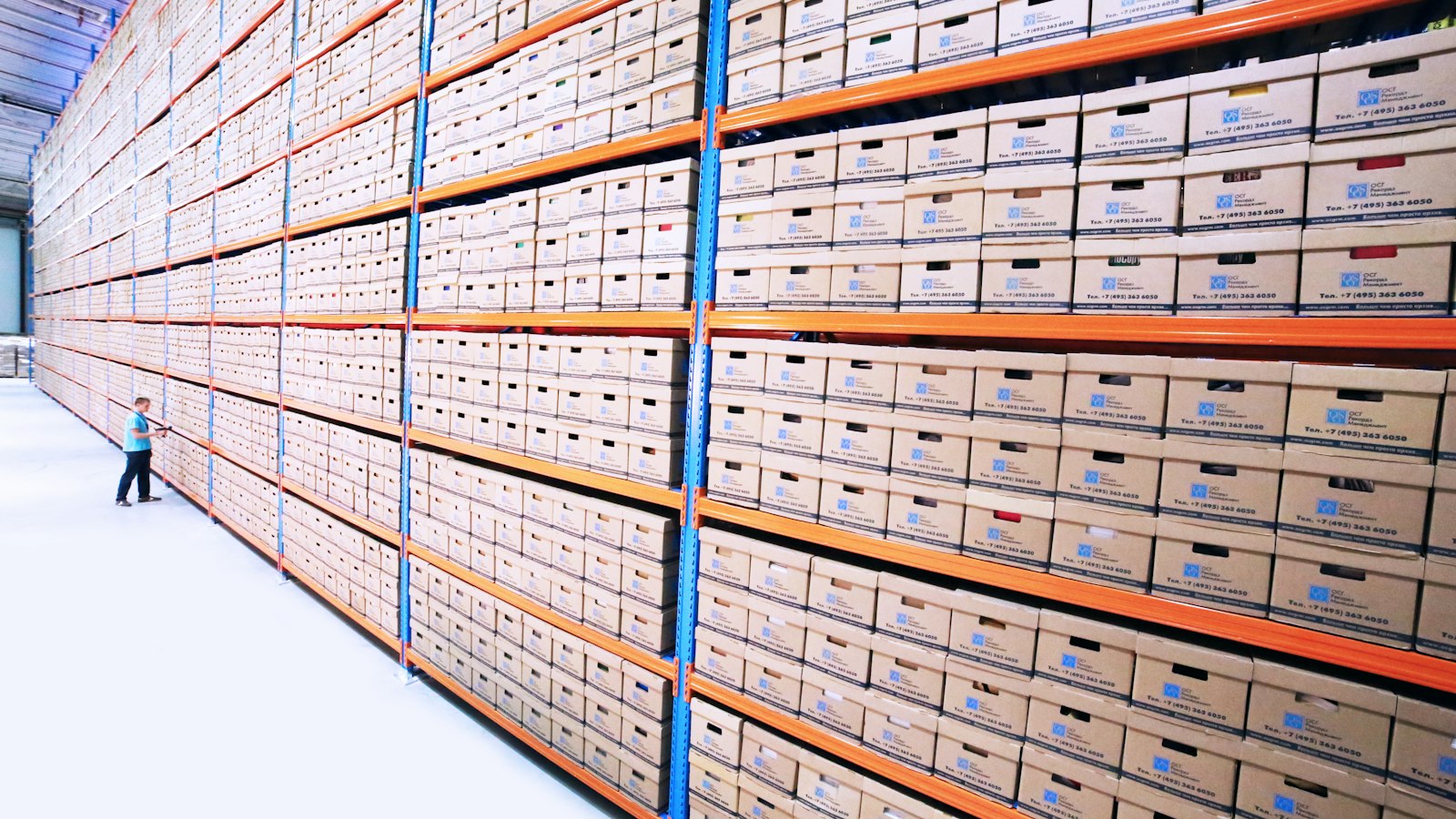
Comics were printed to be cheap, disposable, and read to pieces. That is exactly why the ones that survive in great shape are worth something — and why a little care goes a long way. The good news is that protecting a collection is not complicated or expensive. Get four things right — bags, boards, boxes, and environment — and your comics will look as good in twenty years as they do today. This is our plain, no-nonsense guide to storing and protecting your comics the right way.
Why storage matters more than you think
Paper is fragile in slow, invisible ways. Acid in cheap cardboard yellows and embrittles pages over years. Humidity invites mold and warping. Sunlight fades covers. Sloppy handling adds spine ticks and corner dings that quietly drop a book a full grade. None of these happen overnight, which is precisely the danger — by the time you notice, the damage is done. Storage is preventive medicine, and it is cheap relative to what it protects.
Bags: your first line of defense
Every comic you care about should live in a bag. There are three common materials, in ascending order of quality and price:
- Polypropylene (poly) — the cheapest option and fine for reading copies, but it degrades and yellows over years and should be replaced periodically.
- Polyethylene — a small step up in longevity, still inexpensive.
- Mylar (Mylite) — archival-grade polyester that is inert, crystal clear, and effectively permanent. It costs several times more per bag but is the gold standard for valuable books.
A practical strategy: bag your everyday collection in poly and reserve Mylar for your keys and anything you would be sad to see degrade. Whatever you choose, buy the right size — bags come in Current, Silver, and Golden dimensions to match the era of the book. A modern comic in a Golden Age bag flops around and can crease.
Boards: the backbone
A bag alone lets a comic bend. Behind every bagged comic goes a backing board — a stiff card that keeps the book flat and supports the spine. The important word is acid-free. Cheap gray boards contain acid that will, over time, migrate into the paper it is supposed to protect. Buffered, acid-free boards cost a little more and are worth it. Like bags, boards come in Current, Silver, and Golden sizes; match the board to the book.
The right supplies at a glance
| Supply | What it does | Approx. price |
|---|---|---|
| Poly bags (pack of 100) | Everyday protection for reading copies | ~US$10–15 |
| Mylar/Mylite bags (pack of 25–50) | Archival protection for keys | ~US$20–40 |
| Acid-free boards (pack of 100) | Keep books flat and buffered | ~US$15–25 |
| Short box | Holds ~150–200 comics; easy to lift | ~US$15–25 |
| Long box | Holds ~250–300 comics; heavy when full | ~US$15–30 |
| Hygrometer | Monitors humidity in your storage area | ~US$10–20 |
Boxes: short box vs long box
Bagged and boarded comics go into dedicated comic boxes made of sturdy, ideally acid-free cardboard. There are two standard sizes:
- Short box — holds roughly 150–200 comics. Lighter and easier to move without straining the box or your back. Our default recommendation.
- Long box — holds roughly 250–300 comics. More storage per box and per dollar, but a full long box is genuinely heavy and awkward, which makes drops and crushed corners more likely.
Do not overfill. Comics should stand upright with just enough room to flip through them without cramming. Pack a box too tight and you crease covers pulling books out; leave it too loose and everything slumps and warps. A few “filler” boards at the back keep a partly full box upright.
Store them upright
Always store comics vertically, standing on their bottom edge like books on a shelf. Stacking comics flat puts the full weight of the pile on the bottom books, which crushes spines and flattens the natural gloss over time. Vertical storage distributes weight evenly and lets you browse without disturbing the whole box.
Environment: cool, dark, and dry
Where you keep the boxes matters as much as the boxes themselves. The target conditions are simple:
- Temperature — cool and stable, around 65–70°F (18–21°C). Swings are worse than any single steady temperature.
- Humidity — around 50% relative humidity. Too damp invites mold; too dry makes paper brittle. A cheap hygrometer takes the guesswork out.
- Light — dark. Keep boxes closed and away from windows.
Avoid basements and attics. They are the two worst places in most homes: basements flood and stay damp, attics bake and freeze through the seasons. An interior closet on a main floor is usually ideal — stable temperature, low humidity, no direct light.
Light and UV
Ultraviolet light is a cover’s enemy. Even indirect daylight will fade reds and yellows over months and years, and fading is irreversible. Keep comics boxed and away from windows, and if you display a favorite book in a frame, use UV-filtering glazing and hang it out of direct sun. A faded cover can cost a book a grade with no way to get it back.
Handle with care
Most damage is self-inflicted during handling. A few habits prevent almost all of it:
- Wash and dry your hands first; skip lotion.
- Support the whole book — never dangle it by one corner or the cover.
- Turn pages from the top corner, gently.
- Work on a clean, flat, clear surface, away from food and drinks.
- Return the book to its bag and board as soon as you are done.
Catalogue, back up, and insure
Once a collection grows past a box or two, keep a simple record: title, issue, printing, condition, and what you paid. A spreadsheet or a collection app is fine. Photograph your keys — front, back, and any defects — and store those images in the cloud as a digital backup. If the collection reaches meaningful value, look into a rider on your homeowner’s or renter’s insurance, or dedicated collectibles coverage; standard policies often cap or exclude collectibles. For your most valuable books, professional grading and slabbing adds both protection and a documented grade — see comic book grading explained.
Pros and cons of going all-in on archival storage
Pros
- Preserves condition and therefore resale value
- Mylar and acid-free boards last for decades
- Upright boxed storage makes browsing easy and safe
- A catalogue and photos protect you if the worst happens
Cons
- Archival supplies cost more up front than basic ones
- Mylar and boards need occasional replacement as they age or bend
- Climate control adds cost if your home runs damp or hot
- It takes discipline to re-bag every book after reading
A simple starter setup
- Buy Current-size poly bags and acid-free boards for the bulk of your collection.
- Buy a handful of Mylar bags for your keys.
- Get one or two short boxes rather than long boxes.
- Bag, board, and stand every book upright.
- Put the boxes in a cool, dark, dry interior closet — never the basement or attic.
- Add a cheap hygrometer and check it now and then.
That is genuinely most of the battle. From there, prioritise which books deserve Mylar and which deserve grading, using our key issue watch to spot the ones worth the extra care.
Frequently asked questions
Do I really need bags and boards?
For anything you want to keep in good shape, yes. Bags block dust, moisture, and handling grime; boards keep the book flat and support the spine. Together they cost pennies per comic and are the single best value in the hobby.
Are Mylar bags worth the extra cost?
For valuable or sentimental books, absolutely. Mylar is archival, inert, and effectively permanent, whereas cheaper poly bags yellow and degrade over years. Use Mylar for keys and poly for everyday reading copies.
Where is the worst place to store comics?
Basements and attics. Basements are damp and flood-prone, and attics swing between extreme heat and cold. Both destroy paper. A cool, dry, dark interior closet on a main floor is far safer.
Should I store comics flat or upright?
Upright, standing on the bottom edge. Storing them flat in stacks crushes the spines of the books underneath and flattens the cover gloss. Upright storage spreads the weight evenly and makes browsing easy.
Next steps: learn which books justify the archival treatment in our key issue watch, and understand the grading scale before you sell in comic book grading explained.


