Comic Book Pedigree Collections Explained
What a pedigree is, the famous named collections, and why those books cost more.
 By Web Admin
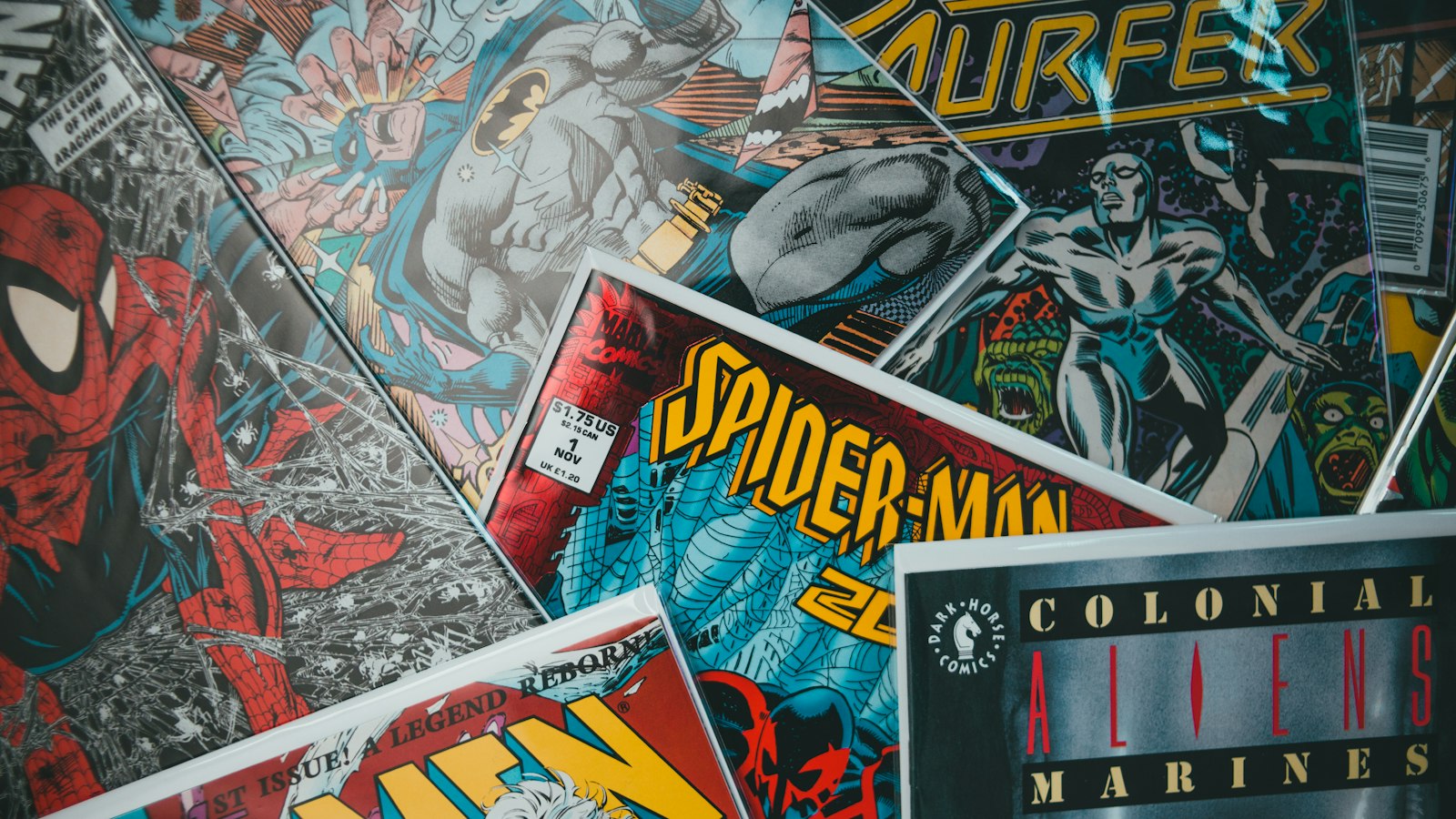
Browse high-end vintage comics for long enough and you will run into a strange extra word on the label: “Mile High,” “Allentown,” “Pacific Coast.” These are not printings or variants. They are pedigrees — the names of famous original-owner collections whose books survived in such remarkable condition that the hobby tracks them by name decades later. A pedigreed copy of a Golden Age key can sell for a substantial premium over an identical-grade copy with no pedigree, purely because of where it came from.
This guide explains what a pedigree actually is, walks through the most famous named collections, explains why pedigree books command premiums, and shows how CGC notes a pedigree on the slab. We are readers and collectors first, so we will keep the hype in check and the facts straight — auction figures in this hobby move constantly, so treat any number here as an approximate range rather than gospel.
What a pedigree actually is
A pedigree, in comic collecting, is a named original-owner collection recognized by the hobby for exceptional and consistent high quality. The idea is simple: one person, usually decades ago, bought comics off the newsstand and stored them so carefully — flat, dry, out of sunlight — that when the collection surfaced years later the books were dramatically nicer than the average surviving copy. Because those books shared one careful owner and one storage environment, they tend to share the same superb page quality, gloss, and structural sharpness.
Crucially, a pedigree is not something you can apply to a single random book you happen to own in high grade. It is a recognized collection with a documented provenance. The books were identified, catalogued, and certified as belonging to that source before they scattered into the market. That provenance is the whole point — and the reason it adds value.
What makes a collection pedigree-worthy
Not every big old collection earns a pedigree name. The hobby, and grading companies like CGC, apply a rough set of standards before a collection is recognized:
- Consistently high grade — the books need to grade well across the board, not just one or two lucky survivors. A true pedigree is a run of white-page, high-grade copies.
- Original-owner provenance — a documented, verifiable chain back to the person who bought the books new.
- Size and scope — enough books, often spanning key Golden or Silver Age titles, to matter to the market.
- Distinctive characteristics — many pedigrees have tells, such as a dated arrival stamp, an owner name written in a corner, or a particular page-quality signature that experts can recognize.
Because pedigrees skew toward books stored since the 1930s through the 1960s, the overlap with the most sought-after vintage keys is huge. If you are chasing the genuinely rarest books, see our overview of the most valuable comic books — a striking number of record copies are pedigreed.
The Mile High (Edgar Church) collection
The Mile High pedigree is the most famous of them all, and the benchmark every other collection is measured against. It came from Edgar Church, a Denver commercial artist who bought comics from the late 1930s onward and stored them in near-ideal conditions in Colorado, where the dry, mile-high climate helped preserve the paper. When the collection was discovered in the 1970s, the copies were so bright, glossy, and white-paged that dealers described them as looking freshly printed.
Mile High copies of major Golden Age keys are among the finest known examples in existence, and they routinely set the high-water mark at auction. Because Edgar Church is the source, you will sometimes see the pedigree written as “Mile High (Church)” — same collection, two names.
The benchmark pedigree; famous for extraordinary gloss and white pages
The Mile High legend is also a cautionary reminder about condition. These books are prized because they were stored so well from day one — the ordinary lesson of preservation, taken to an extreme. If you want to keep your own books at their grade, the same principles apply, and grading is how that condition gets locked in and certified; see comic book grading explained.
Other famous pedigrees
Mile High gets the headlines, but the hobby recognizes dozens of pedigrees, each with its own reputation for a particular era or page quality. A few of the best known:
- Allentown — a Pennsylvania collection celebrated for outstanding Golden Age copies with beautiful page quality; widely regarded as second only to Mile High for that era.
- Pacific Coast — a highly regarded collection known for exceptional Golden Age books, often with striking gloss.
- San Francisco — noted for strong Golden Age keys.
- Edgar Church / Mile High — the standard-setter described above.
- White Mountain — a large Silver Age pedigree famous for gorgeous, high-grade 1960s Marvel and DC books.
- Boston, Twin Cities, Northland, Don Rosa — among many other recognized names, each associated with particular titles or eras.
Some pedigrees are prized specifically for the Silver Age — the era of the first appearances that built the modern Marvel and DC universes. If your interest is those debut issues rather than 1940s books, our guide to first appearance comics is the better starting point, and many of the finest first-appearance copies happen to be pedigreed.
Pedigrees at a glance
| Pedigree | Best known for | Reputation |
|---|---|---|
| Mile High (Edgar Church) | Golden Age | The benchmark; often the finest known |
| Allentown | Golden Age | Exceptional page quality; near the top tier |
| Pacific Coast | Golden Age | Superb gloss and grade |
| San Francisco | Golden Age | Strong high-grade keys |
| White Mountain | Silver Age | Beautiful 1960s Marvel and DC copies |
Treat this as a map, not a ranking to argue over. Reputations vary by title, and a mid-tier pedigree can still hold the finest known copy of a specific book.
Why pedigree books command premiums
A pedigreed comic and a non-pedigreed comic can carry the identical numerical grade — say, both 9.2 — and yet the pedigreed copy sells for meaningfully more. Why pay extra for the same number? A few reasons stack up:
- Provenance and prestige — owning a book from a legendary collection is a story, and collectors pay for stories.
- Confidence in quality — pedigree copies are known for superb page quality and eye appeal, so a pedigreed 9.2 often looks nicer than a random 9.2.
- Scarcity within scarcity — there is only one Mile High copy of any given issue, so demand from advanced collectors concentrates on a tiny supply.
- Resale liquidity — a recognized pedigree is easier to sell at the top of the market, because the name does part of the selling for you.
The premium is real but variable. On a common book the pedigree may add little; on a legendary key it can add a large multiple. If you are trying to establish what a specific pedigreed book is genuinely worth, an independent valuation is money well spent — see our comic book appraisal guide.
How CGC notes pedigrees on the label
When CGC (Certified Guaranty Company) grades a book it recognizes as belonging to a qualifying pedigree, it prints the pedigree name directly on the label inside the slab. The book must meet CGC’s minimum grade threshold for that pedigree and be verified as an authentic member of the collection — CGC maintains a list of recognized pedigrees and the standards each must meet. Once certified, that printed pedigree line travels with the book forever and is a major part of its market identity.
A pedigree designation is different from CGC’s colored label tiers. A universal (blue) label certifies grade; a Signature Series (yellow) label certifies a witnessed signature; a pedigree is a notation that can appear on the label in addition to the grade. In other words, the same book can be a high universal grade and carry a pedigree name. If you want the full breakdown of what CGC certifies and how the census tracks copies, our companion piece on the comic book census explained covers how graded populations — including pedigree copies — are counted.
Should you chase pedigree books?
Pros
- Pedigree copies tend to have gorgeous eye appeal and white pages
- A recognized name adds prestige and resale liquidity
- Provenance is documented and certified, reducing guesswork
- Only one exists per issue, which advanced collectors prize
Cons
- You pay a premium over the same grade without a pedigree
- Pedigree keys are expensive and largely a high-end pursuit
- The premium is inconsistent and can be hard to recover quickly
- Fakes and misattributions exist, so certification is essential
For most collectors, pedigree hunting is aspirational — a fun thing to understand and admire at auction rather than a weekly buy. If you do step up to a pedigreed key, buy it slabbed and certified, and get an independent read on value first with our appraisal guide.
A related world: original art on the book itself
Pedigrees are about how a printed book was preserved. There is a whole other corner of premium collecting about art added to a book — sketch covers and remarques, where an artist draws directly on the comic. It is a very different value driver, but it scratches the same “one-of-a-kind” itch. We cover it in full in our comic book remarques and sketch covers guide.
Frequently asked questions
What is a comic book pedigree in simple terms?
It is a named, documented original-owner collection recognized for exceptionally high, consistent quality. When a book comes from such a collection — like Mile High or Allentown — that pedigree name is attached to it and generally adds value over an identical copy without a pedigree.
Why is the Mile High collection so famous?
Mile High came from Denver artist Edgar Church, who stored his 1930s and 1940s comics in near-ideal dry conditions. When discovered in the 1970s the books were astonishingly bright and white-paged, and Mile High copies of major keys are often the finest known examples, setting the benchmark for the whole hobby.
Does a pedigree really make a comic worth more?
Usually, yes, though the premium varies. On a legendary key a pedigree can add a large multiple; on a common book it may add little. Collectors pay for the provenance, the superior eye appeal, and the scarcity of there being only one pedigree copy per issue.
How does CGC show a pedigree?
CGC prints the recognized pedigree name directly on the label inside the slab, provided the book meets the minimum grade and is verified as authentic to that collection. The pedigree notation sits alongside the numerical grade and label color, and it stays with the book permanently.
Keep learning: see the record-setters in our most valuable comic books roundup, understand how graded copies are counted in the comic book census explained, and lock in condition with comic book grading explained.