
Signed Comics & Signature Series: A Collector’s Guide
Witnessed signatures, CGC Signature Series, remarques — and their value.
 By Web Admin

A signature turns a comic from a mass-produced object into something personal — a small piece of history connecting you to the creator who made it. But not all signatures are created equal. A scrawl on a cover can add a real premium to a book’s value or subtract from it entirely, depending on one factor: whether anyone can prove it is real. This guide explains how signed comics work, what the CGC Signature Series actually verifies, and how to make sure the autograph you paid for actually adds value instead of raising doubts.
Whether you are meeting a favorite writer at a convention or eyeing a signed book online, understanding the mechanics of authentication will save you money and heartache. Let’s start with the most important distinction of all.
Supplies we recommend
The basics for getting a book signed and keeping that signature looking sharp.
| Pick | Best for | Why | Price | Buy |
|---|---|---|---|---|
| BCW Current Comic Bags and Boards Combo | Start here |
| $27.73as of Nov 13, 2026 9:52 pm UTC | View on Amazon |
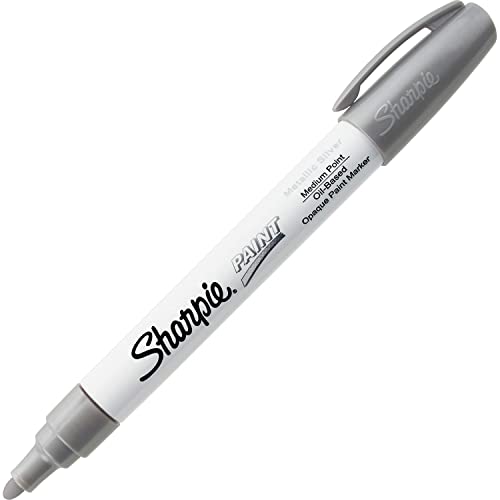
| Sharpie Permanent Paint Marker, Silver | Best pen to bring to a signing |
| $5.00as of Nov 13, 2026 8:23 pm UTC | View on Amazon |
| Geetery 8 Pack Comic Book Frames | Best for displaying signed covers |
| $32.99as of Nov 13, 2026 8:13 am UTC | View on Amazon |
| Graded Comic Book Display Stand | Best for Signature Series slabs |
| $22.99as of Nov 13, 2026 8:13 am UTC | View on Amazon |


Prices and availability change; check Amazon for today’s price. As an Amazon Associate we earn from qualifying purchases.

Where to begin.
Check price on Amazon$27.73as of Nov 13, 2026 9:52 pm UTCWitnessed vs unwitnessed signatures
Every signature on a comic falls into one of two buckets, and the gap between them is enormous.
An unwitnessed signature is one that nobody official saw being applied. Maybe a friend got it at a show years ago, or a seller says it is authentic. It might genuinely be real — but there is no chain of custody, so a future buyer has to take your word for it. In the market, an unverified signature is often treated with suspicion and can even lower a book's value, because a skeptical buyer sees ink on a cover with no proof behind it.
A witnessed signature is one applied in the presence of an authorized representative — most often a grading company's on-site agent at a convention or private signing. That witness documents the signing, and the book is sealed with a label confirming it. This is the gold standard, because the proof travels with the book forever.
What is CGC Signature Series?
The best-known program for authenticated signatures is CGC Signature Series, marked by a distinctive yellow label. To earn it, the book must be signed while a CGC-authorized witness watches, then submitted directly into CGC's chain of custody. The result is a slabbed, graded comic whose signature is guaranteed authentic by the grading company.
The yellow label matters for two reasons. First, it removes all doubt: the signature was witnessed and documented, so no buyer ever has to wonder. Second, it combines authentication with a professional grade, so you get both the signature guarantee and a condition assessment in one holder. If you are new to slabs and grades, our comic book grading explained guide covers how the grading scale works before signatures enter the picture.
Signature Series vs authentication after the fact
What if you already own a book signed years ago, without a witness? Some grading companies offer a separate signature authentication service, where experts examine an existing signature and render an opinion on whether it is genuine. This typically results in a different label (often green at CGC) indicating the signature was verified after the fact rather than witnessed live.
The distinction is important:
| Type | How it works | Label | Market confidence |
|---|---|---|---|
| Signature Series (witnessed) | Signed in front of an authorized witness, sealed into custody | Yellow (CGC) | Highest — guaranteed authentic |
| Verified / authenticated | Existing signature examined by experts after signing | Green (CGC) | Good, but a step below witnessed |
| Unwitnessed / raw | Signature with no third-party verification | None | Lowest — buyer must trust the seller |
Whenever possible, get books witnessed at the moment of signing. It is far cheaper and more reliable than trying to authenticate a signature years later.
Getting your books signed at conventions
Conventions are where most collectors get their books signed, and a little preparation goes a long way. Many shows host grading-company booths that offer witnessed signing services on the spot — you buy a witness "voucher," get your book signed at the creator's table, and hand it to the grader for submission.
A few practical tips for a con signing:
- Arrive early and check signing schedules; popular creators draw long lines.
- Bring your books protected in bags and boards, and transport them in a rigid case.
- Know each creator's signing policy — some limit the number of books or charge per signature.
- If you want a witnessed signature, buy the witness voucher before you get in line.
- Bring your own archival-safe pens if you have a color preference, though many creators supply their own.
For a full walkthrough of planning a show — badges, logistics, and etiquette — see our comic con guide.
Remarques and sketches
Beyond a plain signature, some artists will add a remarque — a small original drawing sketched directly onto the cover, usually for an extra fee. A full sketch cover takes this further: a blank white cover ("sketch cover" or "blank variant") that an artist fills with an original piece. These transform a comic into a one-of-a-kind original artwork.
Remarques and sketches can add substantial value because they are unique, but they also raise the stakes. A stunning sketch by a sought-after artist can multiply a book's worth; a rushed doodle may add little. And because these are original art, protecting them from smudging and fading becomes even more critical. Collectors who love this niche often overlap with those chasing the most valuable comic books, since a one-of-a-kind cover has no census population to compete with.
Protecting a signature's value
A signature is only ink on paper, and ink is fragile. The two great enemies are fading and smudging. Ballpoint and paint-pen signatures generally hold up better than marker over time, and any signature exposed to sunlight or fluorescent light will fade — sometimes within a few years.
To keep a signed book looking its best:
- Store signed comics away from direct light; UV exposure is the fastest way to fade ink.
- Let fresh signatures dry fully before bagging to avoid smudging or offsetting onto the bag.
- Use archival-quality bags and boards, and keep books flat in a cool, dry space.
- For high-value signatures, encapsulation (slabbing) offers the best long-term protection.
Good supplies are cheap insurance for a signature that may be worth far more than the book itself.
Get BCW Current Comic Bags and Boards Combo on Amazon
For a complete storage system — boxes, shelving, and climate tips — read our guide on how to store comics.
The value impact of a signature
Does a signature add value? It depends entirely on authentication and desirability. A witnessed signature from a legendary, hard-to-get, or deceased creator can add a significant premium. A witnessed signature from a creator who signs constantly adds less. And an unwitnessed signature — no matter how genuine — often adds nothing, because the market cannot price uncertainty.
Pros
- A witnessed (yellow-label) signature guarantees authenticity forever
- Signatures from rare or deceased creators can add strong premiums
- Remarques and sketch covers create unique, one-of-a-kind books
Cons
- Unwitnessed signatures can be ignored or even lower value
- Witnessing and grading add cost on top of the book
- Ink fades and smudges without careful storage
The takeaway: if you are paying a premium for a signature, insist on proof. A yellow label or a documented witness is what separates an asset from a gamble.
Frequently asked questions
Does a signature increase a comic's value?
It can, but only when it is authenticated and the creator is desirable. A witnessed signature (such as CGC Signature Series) from a rare or in-demand creator can add a real premium. An unwitnessed signature with no proof often adds nothing and can even make a book harder to sell.
What does the yellow CGC label mean?
The yellow label indicates CGC Signature Series — the book was signed in front of a CGC-authorized witness and sealed directly into CGC's custody, guaranteeing the signature is authentic. It is the most trusted form of signed comic in the market.
Can I get an old signed comic authenticated?
Sometimes. Grading companies offer signature verification services where experts examine an existing signature and, if they are confident it is genuine, assign a different label (often green at CGC). It is less certain than a witnessed signing, so live witnessing is always preferable when possible.
How do I stop a signature from fading?
Keep signed comics out of direct sunlight and away from strong fluorescent light, which cause the fastest fading. Store them in archival bags and boards, let fresh ink dry before bagging, and consider slabbing high-value books for maximum protection.
Next, plan your convention trip with our comic con guide, or learn the fundamentals of condition in comic book grading explained.
What is the difference between CGC Signature Series and CBCS Verified Signature?
CGC Signature Series and CBCS Verified Signature are rival programmes that do the same core job: a representative witnesses the signature, then the book is graded and sealed with a yellow label noting it. Both are widely accepted by buyers. The practical differences are in submission rules, fees and which events each company attends, so check both before a convention. Our CGC Signature Series guide covers the CGC side in detail.
Does cracking a Signature Series slab affect the signature's value?
Cracking a CGC Signature Series slab removes the authentication along with the plastic. Once the book is out, the signature becomes unwitnessed in the eyes of the market, because nobody can prove that this is the same copy that was verified. That is why collectors rarely crack yellow-label books. If you want a different grade, think hard first, since the premium for the signature can disappear.
Do comic creators charge for signatures at conventions?
Whether comic creators charge for signatures at conventions varies widely. Some sign a few books free, some charge a per-signature fee, and others donate fees to charity or ask you to buy something from their table. Popular guests may also limit how many books you can bring. Check the creator's or convention's announcements before the show so you arrive with the right number of books and cash.
What pen should be used to sign a comic?
Most comics are signed with a permanent marker or paint pen chosen to contrast with the cover: dark ink for light covers, and silver, gold or white paint pens for dark ones. Many creators bring their own preferred pens, but carrying a couple of options helps. Avoid ballpoints, which can dent the cover, and let the ink dry fully before bagging the book so it does not smudge.


