
First vs Later Printings: Comic Book Printings Explained
How to spot a first print, why it matters, and facsimiles vs originals.
 By Web Admin
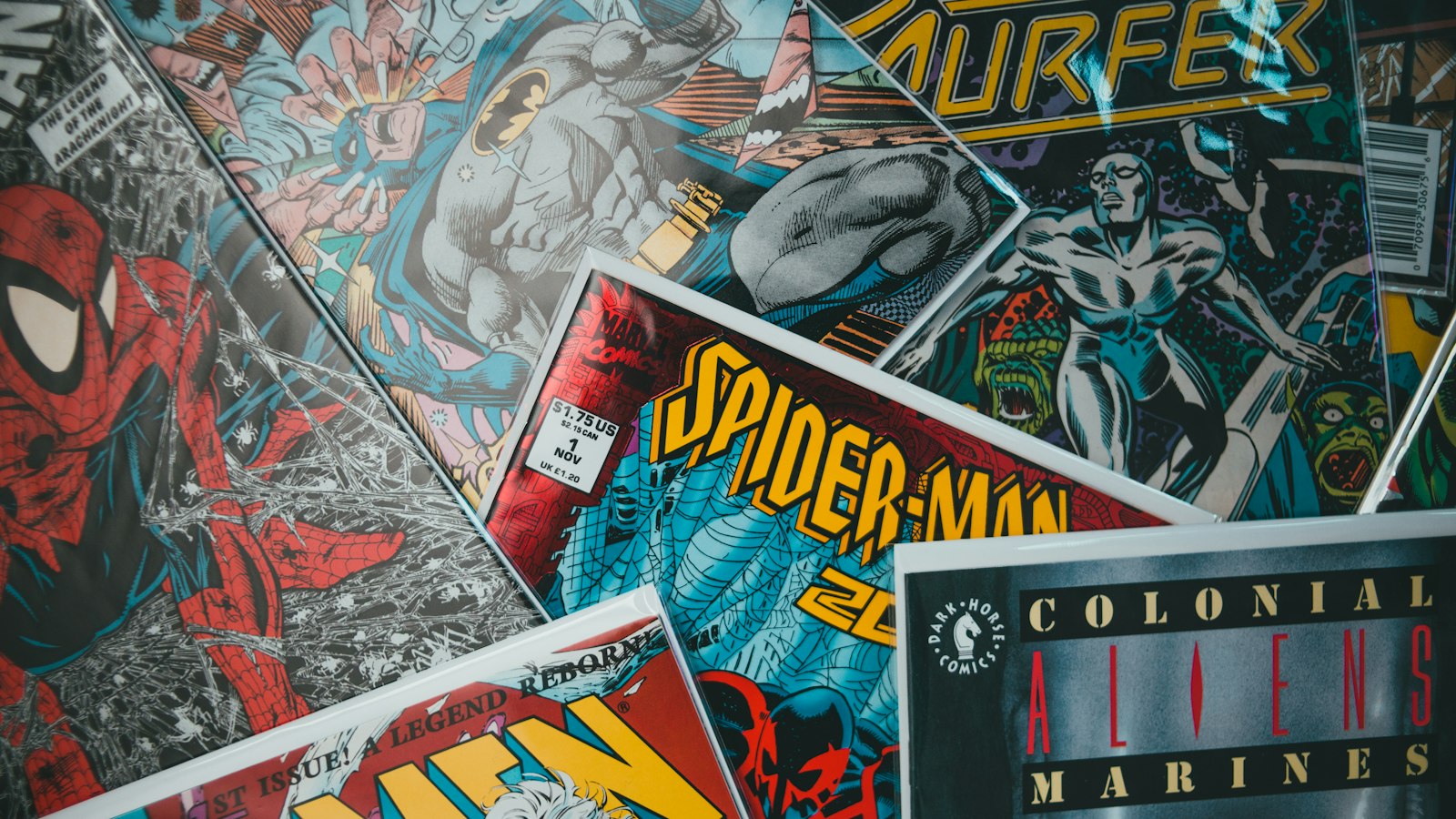
Two copies of the same comic can look almost identical on the shelf and yet be worth wildly different amounts. The difference is often a single word buried in the small print: whether the book is a first printing or a later one. If you have ever wondered why one copy of a hot new #1 sells for pocket change while another commands a premium, comic book printings are usually the answer. This guide explains exactly what a printing is, how to read the indicia to identify one, and why collectors and investors care so much about the difference.
Understanding printings is one of the most practical skills a collector can build. It costs nothing, it takes only a few minutes to learn, and it protects you from overpaying for a reprint sold at first-print prices. Let’s break it down.
What is a comic book printing?
A printing is simply a single production run of a comic. When a publisher prints a book for the first time, that batch is the first printing (or “first print”). If that print run sells out and demand is still strong, the publisher orders another batch — the second printing — and so on. Each new run is a distinct printing, even though the interior story is usually identical.
Most comics never go beyond a first printing. Publishers estimate demand, print roughly that many copies, and move on to the next issue. Only when a book sells out faster than expected — a surprise hit, a sudden movie announcement, a viral moment — does a publisher go back to press for a second or third printing. That scarcity dynamic is the whole reason printings matter to value.
How to read the indicia and print line
The single most reliable place to confirm a printing is the indicia — the block of tiny legal text usually found at the bottom of the first interior page or the inside front cover. It lists the publisher, copyright, issue number, date, and, crucially, the printing information.
Here is what to look for:
- First printings often say nothing at all about the printing, or explicitly state “First printing.” Silence usually means first print.
- Later printings almost always announce themselves: “Second printing,” “Third printing,” or a number line such as “2 3 4 5 6” where the lowest number indicates the printing.
- Cover clues also help. Modern second and third printings frequently change the cover’s trade dress or use a different color scheme, and many print the printing number directly on the cover or barcode box.
When in doubt, the indicia is the tiebreaker. A cover can be a variant while the indicia still confirms the true printing. If you are new to reading this small print, our comic book terminology glossary walks through the vocabulary you will encounter.
First vs second vs third printings
The visual differences between printings became a deliberate collector feature over the last two decades. Publishers such as Image, Marvel, and DC often recolor the cover for each later printing so that fans can tell them apart at a glance — a red-toned second print, a gold-toned third print, and so on. These recolored later prints can even become collectible in their own right when the print runs are tiny, but they almost never match the value of a true first.
A few rules of thumb:
- The first printing is the one the market treats as “the” issue for grading, census tracking, and price guides.
- Later printings are genuinely scarcer in raw numbers, but demand for them is far lower, so scarcity alone does not create value.
- Occasionally a specific later printing becomes desirable — for example, an early sold-out indie hit whose second print is itself hard to find — but this is the exception, not the rule.
Newsstand vs direct editions
Printings are not the only production distinction that affects value. From the late 1970s through the mid-2010s, many comics were published in two parallel formats: newsstand editions sold at grocery stores and magazine racks, and direct editions sold through comic shops. Both can be first printings, but they are physically different.
The quickest way to tell them apart is the barcode box on the cover. Newsstand copies carry a full UPC barcode because they had to scan at retail registers. Direct editions typically show a small logo, a title, or a diamond in that box instead. Because comic shops eventually dominated distribution, newsstand copies became far scarcer for many titles — sometimes representing a small fraction of total print runs — and collectors now pay premiums for high-grade newsstand versions of key books. This overlaps with the world of variant covers, though newsstand and direct editions are distribution variants rather than art variants.
Printing types at a glance
| Printing type | How to identify | Value impact |
|---|---|---|
| First printing | Indicia is silent or says “First printing”; original cover colors | Highest — the reference copy for the market |
| Second / third printing | Indicia states printing; cover often recolored or numbered | Usually a fraction of first-print value |
| Newsstand edition | Full UPC barcode on cover | Often a premium in high grade (scarcer) |
| Direct edition | Logo or diamond in barcode box | Standard first-print value |
| Facsimile / reprint | Modern indicia and date; “Facsimile Edition” on cover | Low — a reading copy, not the original |
Why first printings command a premium
The premium on first printings comes down to a mix of scarcity, prestige, and market convention. A first printing is the version that existed when a story, character, or creative team first reached readers. For a key issue — a first appearance, a first cover, a milestone — the first printing is the one that carries historical weight, and it is the version price guides and grading census data are built around.
This matters enormously for the biggest books. When collectors chase a first appearance or hunt through modern key issues, they almost always mean the first printing specifically. A second-print first appearance is a curiosity; a first-print first appearance can be a genuine investment. If you are building a collection with an eye on value, our comic investing guide explains how printing status feeds into long-term demand.
Facsimiles and reprints vs originals
One of the most common — and expensive — beginner mistakes is confusing a facsimile edition with an original. A facsimile is a modern reprint that faithfully reproduces an old comic’s interior and cover, sometimes including the vintage ads. Publishers make them so readers can enjoy classic stories without paying four or five figures for an original. They are wonderful reading copies and terrible investments if bought by mistake.
The good news is that facsimiles are easy to spot if you know where to look. The indicia will carry a current copyright date and modern legal text, the paper and printing will look new, and the cover almost always says “Facsimile Edition” somewhere. If a listing shows a 1960s cover but the book was clearly printed last year, you are looking at a facsimile. When authenticity really matters, professional grading removes all doubt, because the grader identifies the exact edition on the label.
Pros
- First printings anchor the market and hold value best
- Printing is quick and free to verify in the indicia
- Newsstand first prints can carry a scarcity premium
Cons
- Later printings rarely appreciate the way firsts do
- Facsimiles are easy to mistake for originals
- Recolored later prints can confuse newer buyers
How to protect yourself when buying
Before you pay first-print money, run through a short checklist. First, open the indicia and confirm the printing in writing. Second, check the barcode box to see whether you are holding a newsstand or direct edition. Third, compare the cover trade dress against a known image of the first print. Fourth, be suspicious of any vintage-looking book priced far below market — it is often a facsimile or a later printing.
If you are buying online, ask the seller for a clear photo of the indicia, not just the cover. Reputable sellers expect this. For the most valuable purchases, buying a professionally graded copy transfers the identification risk to the grading company. New collectors putting together a first run of books should also read our guide on how to start a comic collection, which covers where printing status fits alongside grade and condition.
Frequently asked questions
How do I know if my comic is a first printing?
Check the indicia — the tiny legal text on the first interior page or inside cover. First printings usually say nothing about the printing or state “First printing,” while later printings explicitly name themselves as second, third, and so on. The cover colors on the original first print are another reference point.
Are second and third printings worth anything?
Usually far less than a first printing. They are genuinely scarcer in raw numbers, but demand is much lower, so scarcity alone does not create value. A handful of sold-out indie later printings are exceptions, but the first print is almost always the version the market rewards.
What is the difference between a facsimile and an original?
A facsimile is a modern reprint that reproduces an old comic’s cover and interior. It carries a current copyright date in the indicia, usually says “Facsimile Edition” on the cover, and is meant as an affordable reading copy. An original is the period-correct book and is the one that holds collector value.
Do newsstand editions matter for value?
Yes, for many titles. Newsstand copies (identified by a full UPC barcode) became far scarcer than direct editions as comic shops took over distribution. High-grade newsstand copies of key books can carry a meaningful premium over their direct-edition counterparts.
Ready to go deeper? See our guides to the most valuable comic books and browse the graphic novels hub for reading recommendations that pair with your collecting.


