
First Appearance Comics That Actually Matter
Why first appearances drive value — and how to spot a real one.
 By Web Admin
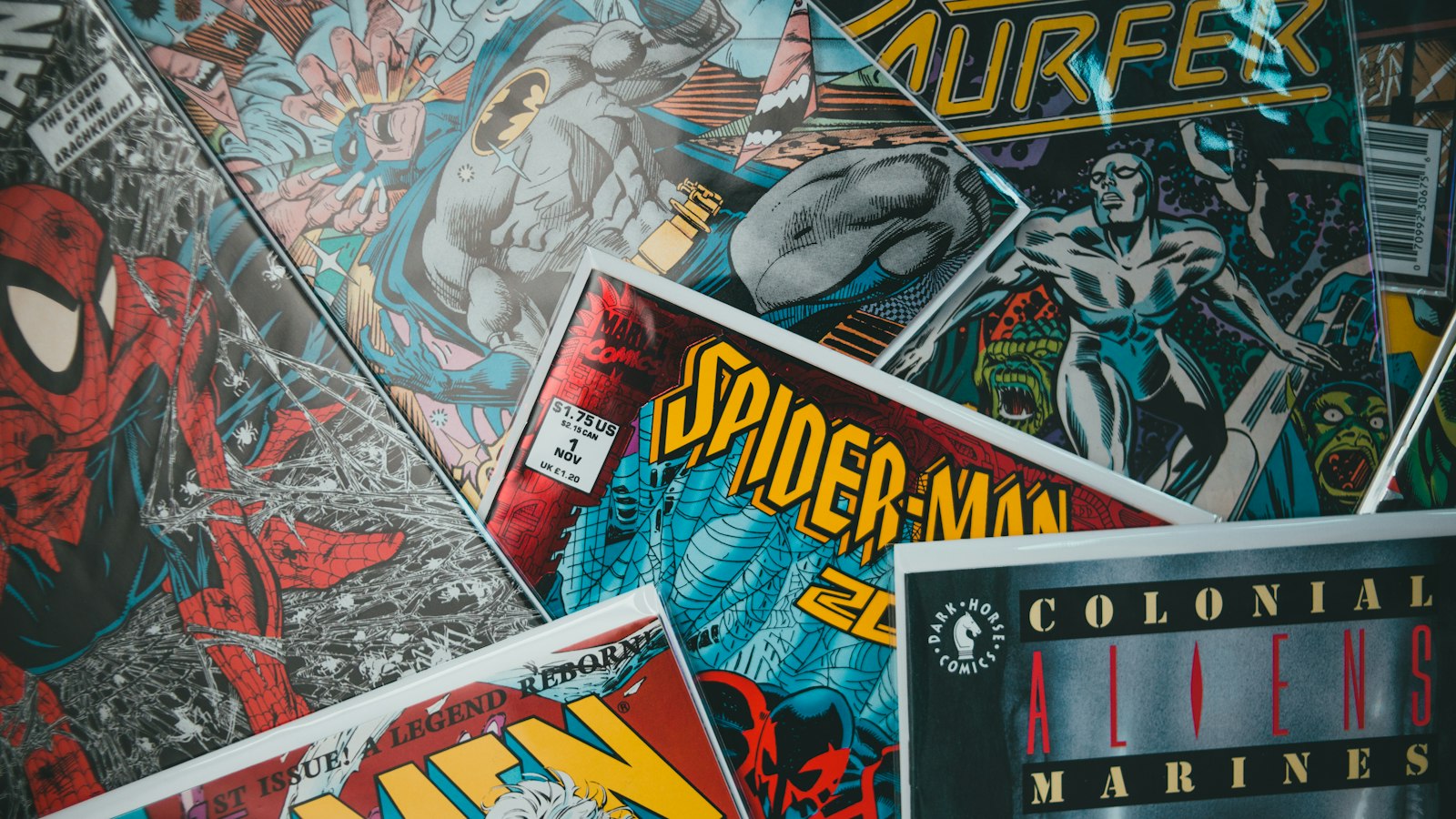
If you spend any time around comic collectors, one phrase comes up more than any other: “first appearance.” It’s the single biggest driver of value in the entire hobby, the reason an otherwise ordinary 1962 comic can be worth more than a house. But the term is slipperier than it looks. There’s a real difference between a first appearance, a cameo, a first cover, and a first full appearance — and the gap between them can be thousands of dollars. This guide explains why first appearances matter so much, walks through the iconic examples, and shows you how to tell a genuine key from a lookalike.
Why first appearances drive the market
The logic is simple. A character can only be introduced once. Every subsequent comic, action figure, movie, and video game featuring that character points back to a single issue — the one where they first showed up. That issue becomes the anchor artifact, the “origin document” for a piece of pop culture that might go on to earn billions. Scarcity does the rest: the older the book, the fewer survive in good condition, and demand from a growing global collector base keeps pushing prices up.
First appearances also give the market something it craves: a clear, agreed-upon target. Collectors don’t have to argue about which Spider-Man comic is “the important one” — it’s the first one, full stop. That consensus concentrates demand onto specific issues, which is exactly why key issues behave so differently from the thousands of ordinary comics that came out the same month. For the modern side of this, see our modern key issue watch.
First appearance vs cameo vs full appearance
Here’s the distinction that trips people up. Not all “firsts” are equal, and the terminology has real financial consequences:
- Cameo appearance — the character shows up briefly, often partially: a single panel, a silhouette, a hand reaching into frame, or an unnamed figure. It’s technically their first appearance chronologically, but they don’t really do anything yet.
- First full appearance — the character appears properly, named, active, and usually shown in full. This is often (but not always) the following issue after a cameo.
- First cover appearance — the first time the character is depicted on a cover, which carries its own collector premium.
- First appearance in costume — for heroes who debut in civilian identity first, the debut of the actual costumed persona can be its own separate key.
The market doesn’t treat these consistently, which is where the money is made and lost. Sometimes the cameo issue is the most valuable (collectors want the true chronological first); sometimes the full appearance commands the premium (collectors want the “real” debut). Wolverine is the classic case — his cameo is in one issue and his full appearance the next, and both are valuable keys with a lively debate about which “counts.” Knowing which is which before you buy is essential.
The iconic first appearances
These are the books the whole hobby orbits. The value ranges below are broad because condition changes everything — a low-grade reader copy and a high-grade graded copy of the same issue can differ by orders of magnitude. Treat these as directional, not precise.
One of the most important Silver Age keys in existence; verify authenticity and grading on anything at this level.
A cameo appears in issue #180; #181 is the celebrated first full appearance. Beware Marvel Value Stamp removal, which hurts the grade.
A copper-age book printed in large numbers, so high grade is what carries the premium.
The 1:25 variant cover commands a large premium over the standard cover.
Harley debuted on the animated series first; this is her first comic-book appearance.
Every one of these tells the same story: an ordinary-priced comic at release became a cornerstone because the character exploded in popularity. For the highest tier of these books, our guide to the most valuable comic books goes deeper on the true blue-chip keys.
How condition multiplies value
With first appearances, condition isn’t a modifier — it’s a multiplier. The same issue can be a modest purchase in a well-read grade and a life-changing sum in near-mint. This is why grading exists and why it matters so much for keys. A raw book’s grade is a matter of opinion until a professional service encapsulates it with a number; that number then sets the price. Here’s the general shape of how grade affects a popular key:
| Condition tier | Typical grade range | Relative value | Who buys it |
|---|---|---|---|
| Reader / low grade | 1.0–4.0 | Entry point | Fans who want the book to own it |
| Mid grade | 5.0–7.0 | Several times a reader copy | Collectors balancing cost and quality |
| High grade | 8.0–9.2 | A large step up again | Serious collectors and investors |
| Top grade | 9.4–9.8+ | Where records are set | The deep end of the market |
Before buying any expensive key, understand exactly what those numbers mean and how they’re assigned — our grading explained guide breaks it down. For genuinely valuable raw books, it’s also worth knowing how pressing can affect grade; see our pressing and cleaning guide.
Reprints, facsimiles, and how not to get fooled
This is the single most common beginner mistake. A first appearance is only valuable in its original printing. Publishers regularly reissue famous issues as reprints and “facsimile editions” — faithful, sometimes near-identical reproductions of the original comic, cover and all. These are wonderful for actually reading a story you could never afford in the original, but they are not the key issue and carry little collector value. To avoid getting fooled:
- Check the indicia — the small print (usually inside the front cover or on the first page) states the actual publication date and often says “reprint” or carries a modern date.
- Check the price and code — cover prices and barcodes betray the era. A 1962 book with a modern barcode is not from 1962.
- Look for the word “facsimile” — modern facsimile editions usually say so somewhere on the cover or indicia.
- Compare paper and printing — original vintage books have distinctive aged newsprint that reprints on modern white stock don’t replicate.
- Buy graded for big money — a reputable grading company’s slab confirms the printing and authenticity.
None of this makes reprints bad. If you want to read Amazing Fantasy #15 rather than own a five-figure artifact, a facsimile is exactly the right purchase. Just never pay original-key money for one.
How adaptations move prices
Nothing lights up a first-appearance market like a screen adaptation. When a character is announced for a major film or series, their first appearance often spikes hard as speculators and fans pile in — and it frequently cools off afterward once the hype settles. Deadpool, Miles Morales, and Harley Quinn all saw their key issues climb alongside their screen debuts. The lesson cuts both ways: adaptation news creates opportunity, but buying at the peak of a hype cycle is how people overpay. Keeping an eye on what’s coming helps; our guide to upcoming comic adaptations tracks the announcements most likely to move the market.
Pros
- Clear, consensus targets — the whole market agrees what matters
- Directly tied to pop-culture demand that keeps growing
- High-grade copies of true keys have held value well over decades
- Adaptations can create real appreciation
Cons
* Easy to confuse cameos, full appearances, and reprints
* Hype cycles can push prices to unsustainable peaks
* Condition sensitivity means small flaws cost big money
* The best keys are expensive to enter at all
Building a first-appearance collection sensibly
You don’t need a fortune to collect first appearances — you need discipline. Decide whether you’re buying to read, to own, or to invest, because those goals point to different books and different grades. Start with characters you genuinely love, buy the best condition you can comfortably afford, and always verify the printing before you pay. For anything expensive, buy graded or budget for grading. And treat this as a hobby first — the market can and does correct.
Frequently asked questions
What’s the difference between a cameo and a first full appearance?
A cameo is a brief, often partial appearance — a single panel, a silhouette, or an unnamed figure — while a first full appearance shows the character properly, named and active. They’re sometimes in consecutive issues, and the market doesn’t always agree which is the “real” key, so both can be valuable. Always check which one a listing is actually offering.
Are facsimile editions worth anything?
As collectibles, generally very little — a facsimile is a modern reproduction, not the original printing that carries the value. They’re excellent if you want to actually read a famous, unaffordable issue, but you should never pay original-key prices for one. Check the indicia and barcode to confirm what you’re buying.
How do I know if my old comic is a first appearance?
Look up the character’s debut issue in a reputable price or key-issue guide, then confirm your copy is the original printing by checking the indicia date, cover price, and barcode. For valuable books, a professional grading slab confirms both the issue and its authenticity. When in doubt, compare against known reference photos of the genuine key.
Do first appearances always go up in value?
No. Prices follow demand, and demand is driven by adaptations, nostalgia, and speculation — all of which can cool. Hype cycles around movie announcements can push a book to an unsustainable peak that later corrects. Genuine blue-chip keys in high grade have held value well historically, but nothing is guaranteed.
Next: see the true blue-chips in our most valuable comics roundup, learn the numbers in our grading guide, and track what’s spiking now in our modern key issue watch.


