
How to Start a Comic Book Collection
Set a focus and budget, buy smart, and protect what you collect.
 By Web Admin
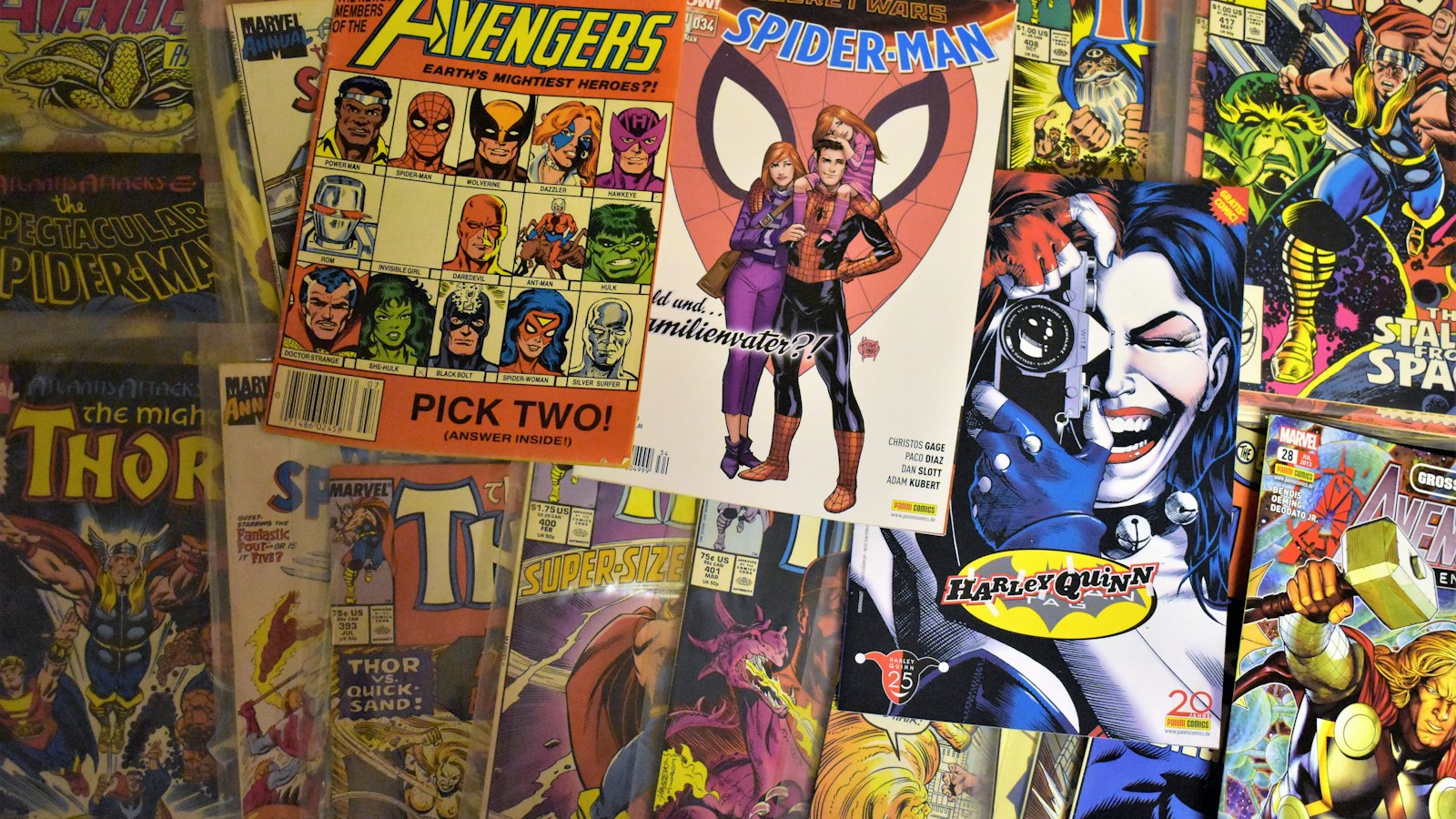
Walk into any comic shop for the first time and the sheer scale of it can be paralysing. Thousands of single issues in long boxes, walls of graphic novels and manga, variant covers, back issues in plastic bags, and a whole vocabulary — trades, omnibuses, keys, slabs — that nobody explains. The good news is that starting a comic book collection has never been easier or cheaper, and you do not need deep pockets or an encyclopaedic memory to do it well. You just need a plan.
This guide is the one we wish someone had handed us on day one. It covers how to choose what to collect, how to set a realistic budget, the crucial difference between single issues and collected editions, where to buy, and how to keep your books in good shape. Follow it and you will avoid the two most common beginner mistakes: buying scattershot with no direction, and spending money on comics you never actually read.
Rule number one: collect what you actually love
Before you spend a cent, internalise the single most important principle in this hobby: collect what you love to read, not what you think will make you money. The vast majority of comics published in the last forty years are worth roughly what you paid for them, and speculation is a genuinely hard way to make money. But a collection built around characters, creators, and stories you care about is guaranteed to pay off, because the payoff is the reading itself.
This mindset also protects you. When you collect for love, a crease in a cover or a dip in the market does not ruin your day. When you collect purely as an investment, every purchase becomes a source of anxiety. If value does come later — and sometimes it does — treat it as a bonus, not the point. If your goal genuinely is investment, we cover that honestly in our comic investing guide, but even there the advice starts with buying what you understand.
Pick a focus so your collection has a shape
An unfocused collection is just a pile of comics. A focused one becomes a story about your taste. You do not have to commit forever — most collectors drift and evolve — but choosing a lane at the start makes every decision easier and keeps you from drowning. Here are the most common ways collectors narrow things down:
- By character: Everything Spider-Man, or Batman, or Wonder Woman. Easy to browse for, and there is always more to chase. See our Batman reading order for how deep a single character can go.
- By creator: Follow a writer or artist across every book they touch — Alan Moore, Brian K. Vaughan, Junji Ito. This tends to build the most consistently satisfying shelf, because you are chasing a sensibility rather than a costume.
- By era: Bronze Age superheroes, 90s Image, modern indie. Focusing on a period gives you a coherent visual and storytelling style. Our guide to the ages of comics breaks down what each era means.
- By run: A single acclaimed stretch — one writer’s complete time on a title. Finite, achievable, and deeply rewarding.
- By format: Some people only collect handsome omnibus hardcovers; others only single issues. Nothing wrong with letting the object itself be the theme.
Not sure yet? That is completely fine. Start by reading widely from our best comics for beginners list and let a focus emerge naturally. You will know it when a particular character or creator keeps pulling you back.
Set a budget you can actually keep
Comics collecting scales to any wallet, which is exactly why a budget matters — the hobby will happily absorb every dollar you throw at it. Decide on a monthly figure before you walk into a shop, and treat it as a hard ceiling. A sustainable habit at a modest, steady pace beats a spending spree you regret and a stack of unread books.
A useful mental model is to split your budget into two buckets: a “reading” bucket for new releases and trades you will actually consume, and a smaller “chase” bucket for the occasional back issue or key you have your eye on. Keeping them separate stops an impulse purchase from eating a month of reading money.
Singles vs trades vs omnibus: know what you are buying
This is the decision that confuses newcomers most. The same story can be sold in three or four different formats, at very different prices and reading experiences. Here is how they compare.
| Format | What it is | Approx. price | Best for |
|---|---|---|---|
| Single issue | One 20–30 page chapter, monthly | ~US$4–6 new | Following a series as it comes out; variant covers |
| Trade paperback | Collects ~6 issues in one softcover | ~US$15–20 | Readers; the best value entry point |
| Hardcover / deluxe | Collects 6–12 issues, better paper | ~US$25–40 | Favourite runs you want to keep |
| Omnibus | Massive; collects 20–40+ issues | ~US$75–125 | Bingeing a whole run in one book |
For most new collectors, trade paperbacks are the smart starting point. They are cheap, complete-feeling, and easy to store on a normal bookshelf. Single issues are the heart of the hobby if you love the ritual of a weekly shop visit and the thrill of variant covers, but they demand more storage care. Omnibuses are gorgeous and economical per-issue, but they are heavy, expensive up front, and awkward to actually read in bed — our best comic omnibus guide explains when they are worth it.
Pros
- Trades and omnibuses store easily on a normal shelf
- Collected editions are cheaper per page than singles
- No bags, boards, or boxes required to keep them nice
Cons
- You wait months for a story to be collected
- No variant covers or single-issue collectibility
- Omnibuses are heavy and awkward to read
Where to buy when you are starting out
You have more options than ever, and the right one depends on what you are after. Your local comic shop (LCS) is the best place to start: staff recommendations are worth real money to a beginner, and setting up a “pull list” reserves your favourite series each month so you never miss an issue. For trades and omnibuses, online retailers and Amazon often beat cover price on collected editions. For older back issues and key books, eBay and dedicated online sellers open up the whole market — with more risk attached.
Each source has real trade-offs around price, selection, and trust. We break all of them down in detail, including how to avoid getting burned on back issues, in our full guide to where to buy comics. If you are collecting a specific character or run, buying trades online is usually the cheapest path; if you want community and discovery, nothing beats a good LCS.
Learn the basics of condition
You do not need to become a grading expert to start collecting, but a working understanding of condition will save you money and heartbreak. Comic condition runs on a scale from “poor” up to “gem mint,” and for single issues small things matter enormously: spine ticks, corner blunting, colour-breaking creases, and staple stress all drag a grade down. A book that looks fine in a photo can be a full grade lower in hand.
For reading copies and modern trades, condition barely matters — buy the cheapest clean copy you can find. It only becomes critical when you start chasing older or valuable single issues. When you get to that stage, read our comic book grading explained guide before spending real money, and be sceptical of any listing that will not show clear, well-lit photos of the actual book.
Protect what you buy
How much protection you need depends entirely on format. Trade paperbacks and hardcovers are just books — a normal shelf out of direct sunlight is fine. Single issues are more fragile and benefit from bags and boards: an acid-free backing board keeps the issue rigid, and a bag keeps out dust and moisture. Store bagged issues upright in a proper comic box, somewhere cool, dry, and dark. Heat, humidity, and sunlight are the enemies of paper.
You do not need to bag every 4-dollar comic you will read once — reserve the effort for issues you want to keep pristine. When your collection grows past a couple of boxes, invest in proper storage rather than stacking books on the floor. Our full walkthrough on how to store comics covers boxes, bag types, and long-term archival storage.
Catalogue your collection early
This is the tip nobody takes seriously until they own their third duplicate copy of the same issue. Once you pass fifty or so books, keep a simple record of what you own. A basic spreadsheet works fine — title, issue number, format, condition, and roughly what you paid. When you are standing in a shop wondering whether you already have a book, that record pays for itself instantly.
If a spreadsheet feels like a chore, dedicated collection-tracking apps let you scan barcodes, pull in cover art and current values automatically, and browse your whole collection from your phone. They make insurance and eventual selling far easier too. We round up the best options in our guide to the best comic book apps.
Your starter checklist
Here is a realistic first-timer’s shopping list, with rough costs, to get you reading and protected without overspending.
| Item | Why you need it | Approx. cost |
|---|---|---|
| 2–3 acclaimed trade paperbacks | Actual comics to read and find your taste | ~US$45–60 |
| Pack of bags & boards (100) | Protect any single issues you buy | ~US$15–20 |
| One short comic storage box | Keeps singles upright and safe | ~US$15–25 |
| Collection-tracking app | Avoid duplicates; log what you own | Free–US$40/yr |
| Total starter kit | Everything to begin properly | ~US$75–145 |
That is genuinely all you need to begin. Everything else — the long boxes, the graded slabs, the omnibus wall — comes later, if at all.
Frequently asked questions
How much money do I need to start collecting comics?
Far less than most people assume. You can start meaningfully with under US$100: a couple of trade paperbacks to read, plus basic bags, boards, and a storage box if you buy single issues. Set a comfortable monthly budget and treat it as a ceiling rather than a target.
Should I collect single issues or trade paperbacks?
For most beginners, trade paperbacks are the smarter start — cheaper per page, easy to store, and complete-feeling. Move into single issues once you know you love the weekly ritual and are ready to handle bags, boards, and boxes.
Are old comics always valuable?
No. Age alone means very little. Value comes from a combination of rarity, demand, condition, and significance — such as a character’s first appearance. Most comics from the last few decades are common and worth roughly their cover price. See our guide to the most valuable comic books for what actually drives prices.
Do I need to grade my comics?
Not to start. Professional grading only makes sense for genuinely valuable single issues you intend to protect or sell. For reading copies and modern trades it is an unnecessary expense — learn the condition basics in our grading guide and grade selectively later.


