
Comic Variant Covers Explained: Are They Worth It?
Incentive ratios, exclusives, virgin variants — and whether to chase them.
 By Web Admin
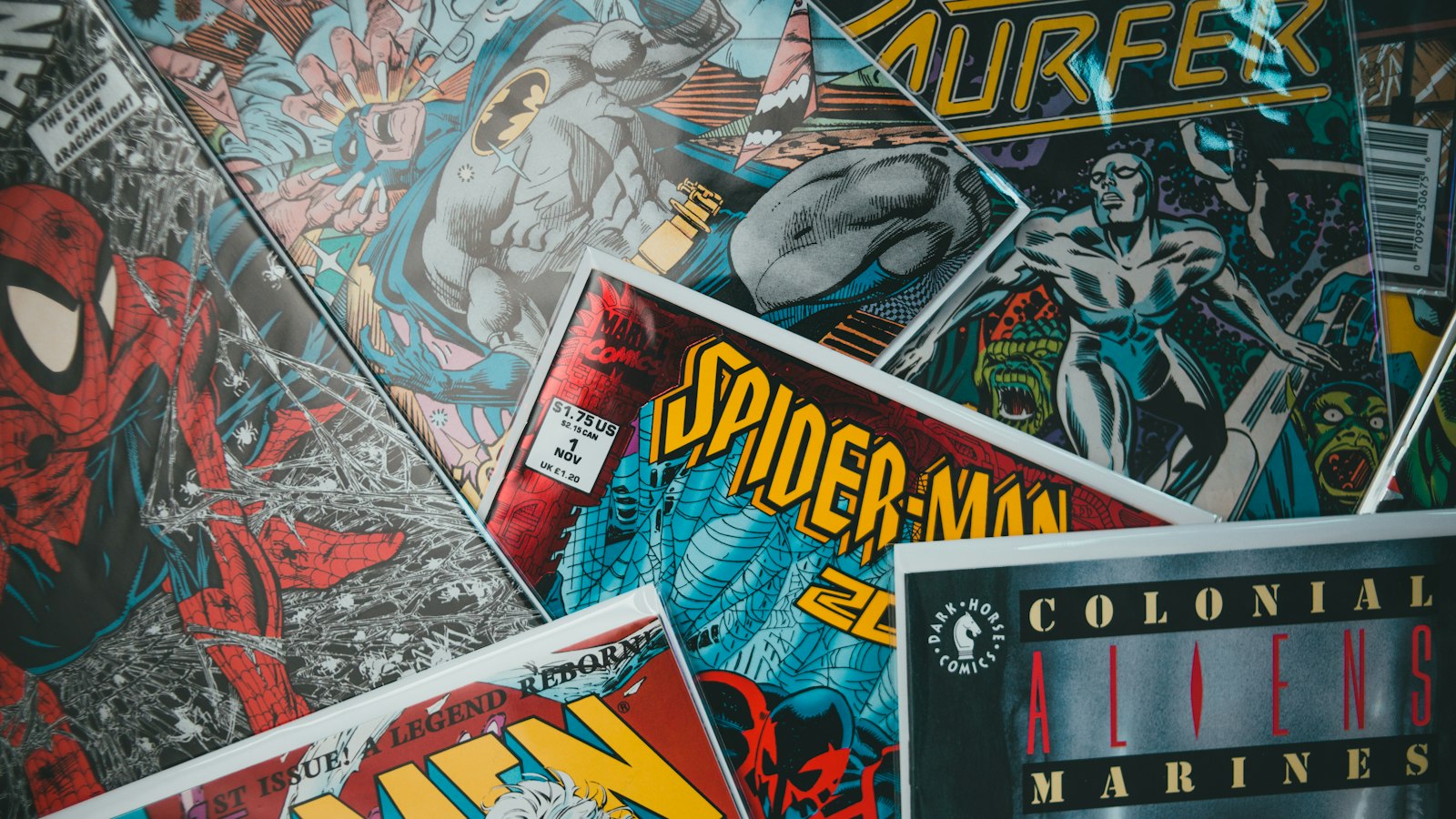
Pick up almost any modern comic and you will find it exists in a bewildering number of covers. The same issue, the same story inside, but a dozen or more different front covers — some common, some vanishingly rare, some costing ten times the others. This is the world of variant covers, and it is simultaneously one of the most fun and one of the most financially treacherous corners of the hobby. For a new collector it can be genuinely baffling: why do these exist, what do the cryptic “1:25” labels mean, and are any of them actually worth chasing?
This guide demystifies the whole system. We will explain what variants are, walk through every major type you will encounter, explain the incentive ratios that drive prices, and — most importantly — give you an honest answer to the question that matters: are variant covers worth your money? Spoiler: usually no, sometimes yes, and knowing the difference is the whole game.
What exactly is a variant cover?
A variant cover is an alternate cover printed for a single comic issue. The interior pages — the actual story and art — are identical across every version. Only the cover differs. The first, standard cover is usually called Cover A, and everything after it is a variant. Publishers might release a handful of variants for a routine issue and dozens for a high-profile launch or a milestone number.
Variants are not new — publishers have printed alternate covers since at least the early 1990s — but the modern system is far more elaborate, with tiered rarity, retailer exclusives, and art specifically designed for collectors rather than readers. Understanding that system is the key to not overpaying.
The main types of variant cover
There are more variant types than most people realise, and the terminology gets thrown around loosely. Here are the ones you will actually run into, roughly from most common to most sought-after.
- Cover A / Cover B: The standard covers, both readily available and ordered freely by shops. No rarity premium — buy whichever art you prefer.
- Incentive / ratio variants: The heart of the system. A shop must order a set number of the standard cover to be allowed to buy one of these, expressed as a ratio like 1:25 or 1:100. Rarer by design, and priced accordingly.
- Retailer exclusives: A cover commissioned by and sold only through a specific shop or online retailer. Print runs are often small, and desirability depends heavily on the artist and store.
- Virgin variants: The cover art with no logo, title, or cover text — just the clean illustration. Popular with collectors who want the art to speak for itself.
- Sketch variants: Black-and-white or uncoloured line-art covers. Some are also “blank” sketch covers meant for artists to draw an original on at conventions.
- Foil, holographic & enhanced: Covers with foil stamping, embossing, glow-in-the-dark ink, or die-cuts. A staple of the 1990s that has made a big comeback.
Incentive ratios explained
The ratio is the single most important number for understanding a variant’s rarity, so it is worth getting right. A ratio like 1:25 means that for every 25 copies of the standard cover a shop orders, it is eligible to order one copy of that variant. A 1:100 variant requires ordering 100 standard copies to unlock a single one. The higher the second number, the rarer — and generally the pricier — the variant.
Crucially, the ratio describes the ordering requirement, not the exact print run. A hugely popular book that shops order heavily will produce more copies of a 1:25 variant than an obscure title will, even at the same ratio. That is why two “1:25” variants can command wildly different prices. The ratio tells you relative scarcity within a single issue’s print run, not an absolute number.
| Ratio | Relative rarity | Typical secondary price | Realistic for a collector? |
|---|---|---|---|
| Cover A / B | Common | Cover price | Yes — buy the art you like |
| 1:10 / 1:15 | Uncommon | ~2–4x cover | Yes, if you love the cover |
| 1:25 / 1:50 | Scarce | ~US$20–60+ | Selective chasing |
| 1:100+ | Rare | US$100s+ | Deep-pocket collectors only |
Why do publishers make so many variants?
The honest answer is money and incentives — for everyone in the chain. For publishers, variants drive up total order numbers: to unlock the rare cover a retailer wants, the shop has to order more copies of the standard issue, which inflates the sales figures and revenue for that book. For retailers, exclusive and incentive covers are a way to stand out and pull in collectors. And for artists, variants are paid commissions and a showcase.
None of that is sinister, but it does mean the system is designed to make you buy more than one copy of the same story. Recognising that the whole apparatus exists to encourage spending is the best defence against overspending. A variant is a want, never a need — the story is identical no matter which cover you buy.
Do variants hold their value?
Here is the part nobody selling you variants wants to dwell on: the overwhelming majority of variant covers do not hold their value. They are printed specifically as collectibles, which means supply is calibrated to demand and the “hot” premium usually evaporates within months. The comic bins of every shop are full of once-pricey variants now selling for a fraction of what people paid.
There are exceptions, and they follow predictable patterns. Variants tied to a genuine event tend to hold up: a cover featuring a character’s first appearance, or a low-ratio variant of an issue that later becomes a key issue. Art by a superstar artist can retain a premium. But betting on which variant becomes valuable is speculation, plain and simple. If you are approaching comics as an investment, read our comic investing guide first — and understand that variants are one of the riskiest bets in it.
Pros
- Some variant art is genuinely stunning — a joy to own
- Low-ratio variants of key issues can appreciate
- Blank sketch variants let you get original con art
- Retailer exclusives support the shops you love
Cons
- The vast majority lose value quickly
- The system is built to make you overspend
- Condition and authenticity risks on the secondary market
- Chasing them is a bottomless, expensive pit
How to buy variants sensibly
If you enjoy variants — and plenty of collectors do — there is a healthy way to approach them. The golden rule is the same as for the rest of the hobby: buy the cover because you love the art, not because you expect it to appreciate. If you would be happy to own it even if it never gained a cent, it is a good purchase. If your only reason is resale, walk away.
- Set a hard limit on what you will pay above cover price, and stick to it.
- Prioritise art over rarity. A common Cover B you adore beats an ugly 1:50 you bought for the ratio.
- Be wary of hype. The variants pushed hardest as “investments” are usually the ones that crash hardest.
- Check condition carefully. Foil and enhanced covers show wear badly; read our grading guide before paying a premium.
- Verify authenticity on pricey retailer exclusives — fakes and misrepresented ratios exist.
Variants vs the story: keep perspective
It is worth ending on the simplest truth in this whole subject: every variant of an issue contains exactly the same comic. If your goal is to read great stories, variants are entirely optional and you can ignore them completely without missing a word. They are a collecting pursuit layered on top of the medium, not part of it. Some people find enormous joy in a wall of beautiful alternate covers; others find the whole thing a distraction from the reading. Both are valid — just know which camp you are in before you spend.
Frequently asked questions
What does 1:25 mean on a variant cover?
It is an incentive ratio: a retailer must order 25 copies of the standard cover to be eligible to order one copy of that variant. Higher numbers mean rarer variants. The ratio measures relative scarcity within an issue’s print run, not an exact number of copies.
Are variant covers worth collecting?
They are worth collecting if you love the art and treat them as a want rather than an investment. As a way to make money they are one of the riskiest corners of the hobby — most lose their premium quickly. Buy covers you would be happy to keep forever.
What is a virgin variant?
A virgin variant shows the cover illustration with no logo, title, price, or text of any kind — just the clean artwork. Collectors like them because the art is uninterrupted, and they often carry a premium over the standard textless-free version.
Do variant covers ever become valuable?
Occasionally. The ones that hold up tend to be low-ratio variants of issues that turn out to be genuine keys — a character’s first appearance, a major event, or art by a superstar. Predicting which will succeed is speculation, so never buy a variant purely on the hope it appreciates.


