
Comic Book Pressing & Cleaning: What to Know
What pressing really does, when it raises a grade, and the risks.
 By Web Admin
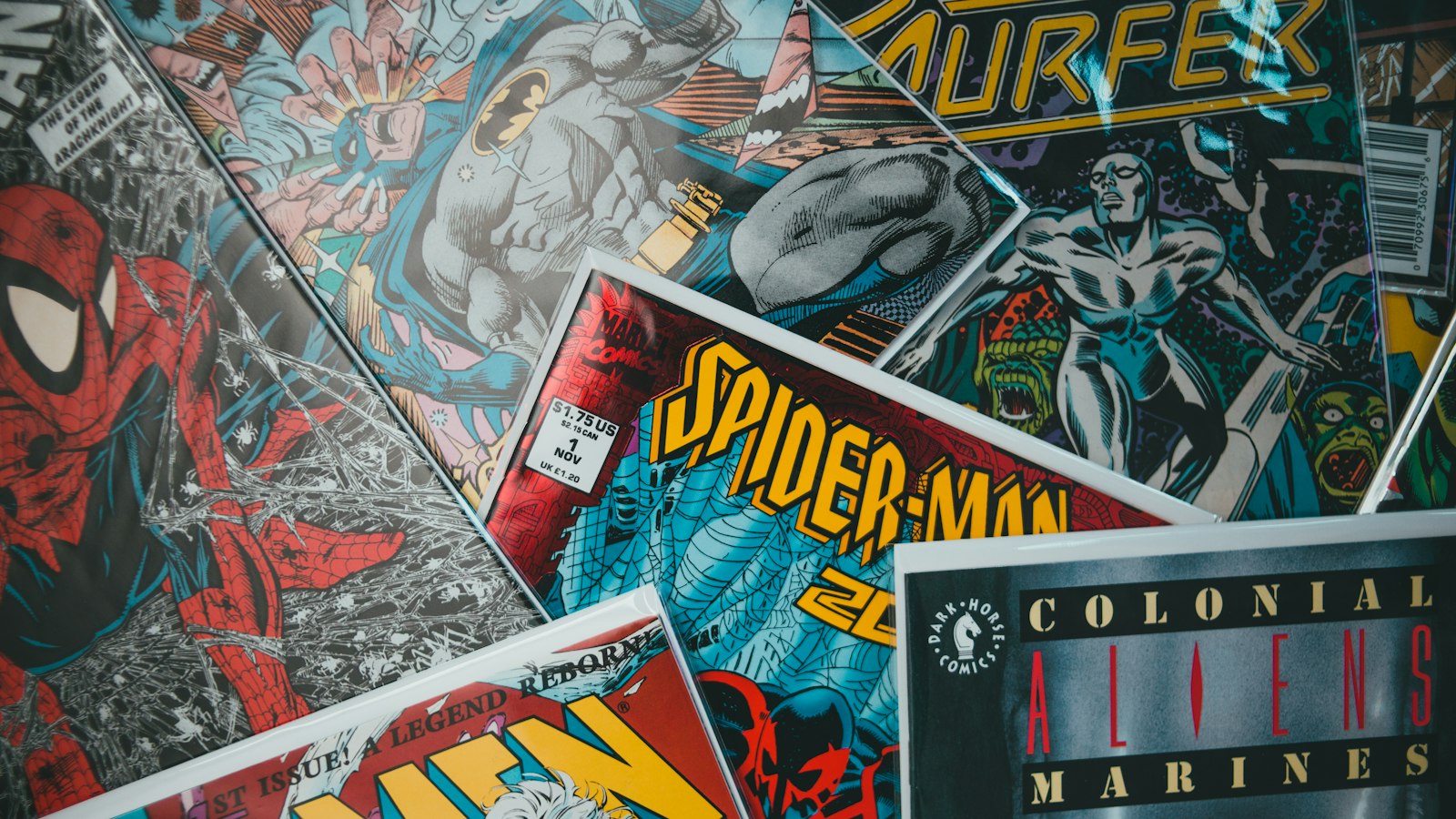
Somewhere between “just a stack of old comics” and “a slabbed, graded key worth real money” sits a small, slightly mysterious craft: pressing and cleaning. Done well, it can lift a book a grade or two and add meaningful value. Done badly, it can permanently damage a comic you can never replace. This guide explains what pressing and cleaning actually do, what they can’t fix, how the press-then-grade workflow works, and whether it’s worth doing on your books at all. The honest headline: for most comics, it isn’t — but for the right keys, it can pay for itself many times over.
What pressing actually is
Comic book pressing is the controlled application of heat, humidity, and gentle pressure to flatten out certain physical defects in a book’s paper. There’s no glue, no chemicals, and nothing added to the comic — a proper press simply relaxes the paper fibers enough that minor warping settles flat and stays that way. Think of it as the comics equivalent of steaming wrinkles out of a shirt, performed by someone who knows exactly how much heat that particular fabric can take.
The goal is almost always cosmetic, and almost always aimed at grading. A flatter, cleaner-looking book photographs better, presents better, and — crucially — can score higher when a professional grading company assesses it. Pressing does not “restore” a comic in the sense that graders penalize. When it’s done correctly, a pressed book is still considered universal (blue label) rather than restored (purple label), which matters enormously for value. Understanding that distinction is the whole game, so it’s worth reading our guide to comic book grading alongside this one.
What pressing can fix
Pressing works on non-color-breaking defects — flaws in the shape of the paper that don’t tear the ink layer or the paper surface. The most common candidates include:
- Bends and non-breaking creases — a corner that got folded but where the color didn’t crack along the fold line.
- Spine roll — when a book has been read or stored so that the spine curves and the covers no longer sit flush.
- Dents and finger impressions — small pressure marks that haven’t broken the surface.
- Waviness and warping — rippling from humidity or from being stored under uneven weight.
- Minor bindery defects — slight fold issues from the original printing.
- Light corner and edge curl.
These defects hold a lot of books back from a higher grade despite the book being otherwise clean. A comic sitting at a 7.5 purely because of spine roll and a couple of soft corners might realistically come back a 9.0 or 9.2 after a competent press — and on a valuable key, that jump can be the difference between a few hundred and a few thousand dollars.
What pressing cannot fix
This is where new collectors get burned. Pressing moves paper; it cannot add, replace, or repair anything. It will do nothing for:
- Color-breaking creases — once the ink has cracked and you can see white paper through the crease, it’s permanent. A press flattens the crease but the broken color remains and graders still see it.
- Tears, chips, and missing pieces — absent paper cannot be pressed back into existence.
- Stains, foxing, and water damage — discoloration is a chemical problem, not a shape problem.
- Rusted or migrated staples and the tanning they cause.
- Writing, stamps, and tape residue — these need restoration, which changes the label color.
- Brittleness — heat on brittle Golden Age paper can make things dramatically worse.
If a book’s problems are on this list, pressing is a waste of money at best and a risk at worst. Fixing many of these would require actual restoration, and a restored book carries a purple label that typically sells for a large discount versus an unrestored copy.
Cleaning and dry cleaning
Cleaning is usually bundled with pressing but it’s a separate step. The most common and lowest-risk form is dry cleaning: gently lifting surface dirt, pencil marks, and grime from the cover using soft erasers, absorbent pads, and careful hand work — no liquids involved. It’s genuinely surprising how much a decades-old book brightens up once the surface film is removed, and dry cleaning is considered a conservation-grade, non-restorative process.
“Wet” cleaning and solvent work — soaking pages to reduce tanning, or using chemicals to lift stains — is a different world entirely. It edges toward restoration, requires real expertise, and can trigger a restored label if a grader detects it. For nearly everyone reading this, dry cleaning is the only cleaning worth considering, and it should be left to the same professionals who do your pressing.
The press-then-grade workflow
Here’s how the process fits together in practice, and the order matters:
- Assess the book. Identify the defects and decide honestly whether they’re pressable. Color-breaking flaws, tears, and stains mean stop here.
- Estimate the upside. Look up recent sales of the book in its current grade versus the grade you might realistically reach. If the gap doesn’t clearly exceed all your costs, don’t bother.
- Dry clean, then press. Cleaning first, then pressing, so the flattening locks in a clean surface.
- Submit for grading. Most collectors press specifically so the book grades higher immediately afterward. Many pressing services are set up to submit straight to a grading company for you.
- Slab and sell or hold. The graded, encapsulated book is now ready for the market or your long-term shelf.
Because pressing and grading are so intertwined, many collectors treat them as a single decision. If you’re weighing whether a modern book is even worth this whole pipeline, our modern key issue watch is a useful reality check on which recent books actually command a premium in high grade.
DIY vs professional pressing
You will find plenty of videos showing people pressing books at home with a household iron, parchment paper, or a homemade heat-and-weight rig. It can work. It can also destroy a book instantly. The risks with DIY are real and mostly irreversible:
- Too much heat scorches paper or sets in a shine that graders penalize.
- Too much humidity causes rippling, staining, or ink transfer.
- Uneven pressure creates new dents or bindery-style defects.
- Brittle vintage paper can crack or crumble under any heat at all.
Professional pressers use dedicated equipment, controlled environments, and a lot of accumulated judgment about how different eras of paper behave. For any book with real value, that expertise is cheap insurance. The rough going rate is around US$10–25 per book for pressing, sometimes more for oversized or particularly delicate comics, plus separate grading fees on top. If you want to practice on your own, do it on worthless filler books you’d never miss — never on a key.
Pros
- Can raise a grade by fixing bends, dents, and spine roll
- Non-restorative when done properly — keeps the blue “universal” label
- Cheap relative to the value gained on genuine keys
- Pairs naturally with a grading submission
Cons
* Does nothing for tears, stains, or color-breaking creases
* DIY attempts can cause permanent, irreversible damage
* Costs stack up (pressing plus grading plus shipping)
* Rarely worth it on common or low-value books
Is it worth it? A simple cost check
Pressing only makes financial sense when the value you unlock clearly beats everything you spend. Run the numbers before you send anything off. Here’s a simplified illustration using round figures — your real numbers will vary by book and market.
| Scenario | Value in current grade | Likely value after press | Total cost (press + grade + ship) | Worth it? |
|---|---|---|---|---|
| Valuable key, spine roll only | ~US$400 | ~US$900 | ~US$70 | Yes |
| Mid-value book, soft corners | ~US$60 | ~US$110 | ~US$70 | Marginal |
| Common book, minor bends | ~US$15 | ~US$25 | ~US$70 | No |
| Any book with a color-breaking crease | — | No change | ~US$70 | No |
The pattern is clear: pressing is a tool for valuable keys in high grade, where a single grade point moves the price by hundreds or thousands. For everything else, the fees eat the gains. If you’re eyeing books at the top of the market, our roundup of the most valuable comic books shows the kind of titles where this math actually works.
When you’re pressing to sell
If your endgame is selling, pressing and grading a genuine key can widen your buyer pool and raise your ceiling — collectors pay confidently for a slabbed, high-grade book. But don’t over-invest in a collection of common books hoping grading will transform them; it usually won’t. Before you spend anything, read our practical guide on how to sell a comic collection, which covers when raw books sell perfectly well as-is and when the grading pipeline actually earns its keep.
Frequently asked questions
Does pressing count as restoration?
No — when it’s done properly with only heat, humidity, and pressure, pressing is considered a non-restorative process and the book keeps its universal (blue label) status. It’s the addition of materials, glue, color touch, or trimming that triggers a restored (purple) label and the price discount that comes with it.
How much can pressing raise a grade?
It depends entirely on the defects. A book held back only by spine roll and soft corners might jump a full grade or more, while a book with color-breaking creases or tears may not move at all. There are no guarantees, which is why estimating the upside before you spend is so important.
Can I press comics at home?
You can, but the risk of permanent, irreversible damage is high — scorching, staining, and new dents are all common DIY outcomes, especially on older paper. If you want to experiment, use worthless filler books, and send anything valuable to a professional.
Should I press before or after grading?
Before. The whole point is to fix cosmetic defects so the book grades higher when it’s assessed, so pressing (and any dry cleaning) always comes first, immediately followed by the grading submission. Many pressing services will submit the book to a grader for you as part of the same job.
Keep going: learn how graders assign those numbers in our grading explained guide, check which recent books are worth the effort in our modern key issue watch, and see the titles at the top of the market in our most valuable comics roundup.


