
Comic Book Error Variants: Misprints, Recalls, and Why They Sell
Printing mistakes and recalled issues that collectors chase — and how to tell a real error from a common flaw.
 By Web Admin

Most collectors spend their lives trying to find comics in perfect condition. Then there is a stranger corner of the hobby where the flaw is the point. Error variants — comics that left the printing plant with a mistake, or issues that were pulled and pulped before they should have shipped — are some of the quirkiest and occasionally most valuable books you can own. A missing splash of ink, a cover printed upside down, a swear word that slipped through, a recall order that destroyed most of a print run: each of these turns an ordinary comic into a collectible with a story.
This guide walks through what actually counts as an error variant, the main categories you will run into, a few genuinely famous cases, why some errors carry a premium while most are worthless, and — the practical part — how to tell a real, desirable error from a common defect or an outright fake. We are readers first here, so expect honest ranges rather than breathless price hype.
What you’ll need
Tools for telling a genuine printing error from damage, plus storage.
| Pick | Best for | Why | Price | Buy |
|---|---|---|---|---|
| JARLINK 30x/60x Illuminated Jewelers Loupe | Inspect print errors |
| $8.98as of Nov 15, 2026 12:25 am UTC | View on Amazon |
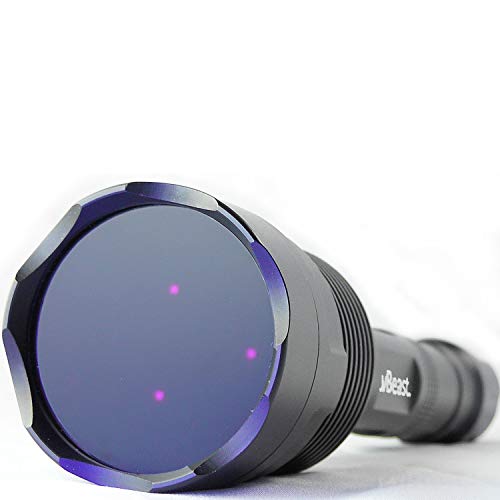
| uvBeast V3 365nm UV Flashlight | Check for restoration |
| $79.99as of Nov 15, 2026 12:25 am UTC | View on Amazon |
| Overstreet Comic Book Price Guide Vol. 55 | Check if an error is listed |
| $36.80as of Nov 14, 2026 6:54 am UTC | View on Amazon |
| BCW Current Comic Bags and Boards Combo | Protect your finds |
| $27.73as of Nov 14, 2026 6:02 pm UTC | View on Amazon |
| HYARUAT Current Comic Top Loaders, 20 Pack | Rigid support for keys |
| $38.99as of Nov 14, 2026 4:55 pm UTC | View on Amazon |


Prices and availability change; check Amazon for today’s price. As an Amazon Associate we earn from qualifying purchases.

Where to begin.
Check price on Amazon$8.98as of Nov 15, 2026 12:25 am UTCWhat counts as an "error variant"?
An error variant is a comic that differs from the intended finished product because something went wrong in production or publishing. That is a broad tent, and it helps to split it into two families:
- Printing errors — mistakes made on press: missing ink, misaligned colors, pages bound in the wrong order, blank covers, double covers, miscuts, and the like.
- Editorial and recall errors — content mistakes caught after printing: a redaction that failed, art or text that should not have shipped, or legal problems that led the publisher to pull and destroy copies.
The key distinction a collector cares about is whether the error is scarce and identifiable. A one-off crease is just damage. A documented press error that appears on a small, recognizable subset of a print run — or a recalled issue where most copies were destroyed — is a variant. Understanding how normal print runs and reprints work makes this much clearer, and our comic book printings explained guide is worth reading alongside this one.
Printing errors: the main types
Press errors are the bread and butter of this niche. The most common categories, roughly from most to least frequent:
- Color misregistration — the color plates are misaligned, so you get ghosted outlines, off-register skin tones, or a cover where the black line art and the colors do not line up.
- Missing ink or missing color — one plate fails to print, leaving a cover with, say, no yellow, or a logo that never printed at all.
- Blank or white cover — the cover art plate does not print, producing a mostly blank cover (not to be confused with intentional blank sketch variants).
- Double cover — two covers are bound onto one book, a genuine bindery error that collectors prize because the inner cover is protected and pristine.
- Miscut and off-center — the trimming blade cuts in the wrong place, leaving part of the next book, an uneven border, or a comic taller or wider than normal.
- Misbound / inverted — pages or the entire cover bound upside down or out of order.
- Foil and enhancement errors — on foil, chromium, or embossed covers, the enhancement can misfire or land in the wrong place.
Because variant covers themselves are such a big part of the modern market, it is easy to confuse a deliberate variant with an accidental one. If that line is fuzzy for you, our variant covers explained guide untangles intentional variants from true errors.
Recalled comics: when the publisher hits the brakes
Sometimes the "error" is not on the press at all — it is in the content, and it is serious enough that the publisher pulls the issue after printing. Because most copies are returned and pulped, the survivors become scarce almost overnight. A few well-documented examples show the pattern:
- Elseworlds 80-Page Giant #1 (1999, DC) — reportedly recalled over a darkly comic scene involving a baby, with most copies destroyed before distribution. Surviving copies are genuinely scarce and have sold for strong prices in high grade.
- All-Star Batman & Robin, the Boy Wonder #10 (2008, DC) — profanity was blacked out, but the redaction was thin enough to read through. DC recalled the issue and reissued a corrected version, making the error printing the collectible one.
Recall value is real but fragile: it depends on the recall actually reducing supply. A widely reported "recall" that still left plenty of copies in circulation does not move the needle much. Treat dramatic recall stories with the same skepticism you would any hot-market claim.
Famous error cases collectors talk about
A handful of errors have become part of hobby folklore. A classic is Fantastic Four #110 (1971), where a color error on early copies left figures with an off, greenish cast before the coloring was corrected on later copies — the "error" version is the one collectors seek. Beyond individual issues, whole categories of press mistakes — dramatic double covers, stark blank-cover misprints, and boldly misregistered covers — trade steadily among error specialists.
The honest truth is that error prices are all over the map and highly individual. A striking, obvious, visually interesting error on a desirable book can command a real premium; a subtle misregistration on a book nobody wants is worth cover price at best. When you see an eye-catching figure attached to an error, cross-check it against recent, comparable sales rather than a single hopeful listing — our comic book price guide explains how to read the market instead of the hype.
Why are some errors valuable and most are not?
Value in error variants comes down to a few stacking factors. It helps to see them side by side:
| Factor | Pushes value up | Pushes value down |
|---|---|---|
| Desirability of the book | Key issue, popular character, hot creator | Common issue nobody collects |
| Scarcity of the error | Documented, small subset of the run | Extremely common flaw |
| Visual impact | Obvious, dramatic, photogenic | Subtle, needs a loupe to see |
| Verifiability | Recognizable, repeatable, documented | Could be faked or one-off damage |
| Condition | High grade, error aside | Beat-up copy with unrelated damage |
The books that command real money are the ones where several of these line up: a dramatic, verifiable error on a book people already want, in high grade. That is rare, which is exactly why it is worth something. A misprint on a bargain-bin issue is a curiosity, not an investment.
Error variants vs. intentional variants vs. damage
This is the distinction that trips up beginners, so here it is plainly:
- Intentional variant — the publisher meant to make it (a blank sketch cover, a retailer incentive cover). Common by design in many cases; documented in solicitations.
- Error variant — the publisher did not mean to make it; it escaped the plant by mistake. Scarce and undocumented in solicitations.
- Damage — the flaw happened after the book left the plant (creases, spine ticks, water stains, sun fading). Never adds value; it subtracts.
If a "blank cover" shows print residue, a partial logo, or an ink smudge, it is likely a genuine error. If it is a crisp, deliberately blank white cover sold as such, it is an intentional sketch variant. And if the "error" is really a tear, fold, or stain, it is just a damaged book being dressed up.
How to spot a genuine error variant
A practical checklist before you pay a premium:
- Compare to a normal copy. Put the suspect book next to a standard copy of the same issue. The error should be a clear production difference, not wear.
- Check the plate logic. Real color and ink errors follow how printing works — a whole plate missing or shifted, not a random smear. Misregistration shifts consistently across the cover.
- Inspect the trim and binding. Miscuts show clean, machine-straight edges in the wrong place; double covers are bound at the staples, not glued on later.
- Beware post-production fakes. Blank covers can be faked by bleaching or by peeling a layer; "missing" logos can be sanded. Look for abrasion, thinning, or chemical residue.
- Demand documentation for recalls. A recall claim should be backable with reporting or a grader note, not just a seller assertion.
Because bleaching, trimming, and other alterations show up here more than almost anywhere else in collecting, it pays to know the warning signs of a doctored book. Our how to spot fake comics guide covers the tells in detail, and they apply directly to suspicious "errors."
Should you get an error variant graded?
Third-party grading is especially useful for errors, because a reputable grader will note the error on the label ("Missing Cover Ink Error," "Double Cover," and so on), which both authenticates it and makes it far easier to sell. Grading fees typically start low on economy bulk tiers and climb for faster or higher-value service, plus shipping and insurance both ways. That math only works if the graded, documented error is worth meaningfully more than a raw copy — which, for a genuine, desirable error, it often is.
A grader-noted error label authenticates the book and widens the buyer pool
For a striking error on a book people actually collect, encapsulation with an error notation is usually money well spent. For a subtle misregistration on a common issue, keep it raw and enjoy it as a curiosity.
A collector CTA and where errors fit your collection
If chasing production oddities appeals to you, a loupe and a good light are your best friends — you will want to inspect covers closely for plate shifts and ink gaps.
Get JARLINK 30x/60x Illuminated Jewelers Loupe on Amazon
Error variants are a fun, low-cost way to build a collection with genuine stories behind each book, as long as you keep expectations grounded. Most are worth very little; a rare few are worth real money. The ones that break through are almost always dramatic, verifiable errors on books that were desirable to begin with — the same books that populate lists of the most valuable comic books. And if you enjoy reprints and reproductions of classic issues, you may also like our companion guide to comic book facsimile editions, which covers the opposite end of the spectrum: deliberately faithful reprints rather than accidental oddities.
Frequently asked questions
Are all comic book misprints valuable?
No — most are not. Value requires the error to be scarce, verifiable, visually striking, and on a book people already want. A subtle misregistration on a common issue is a curiosity worth little more than cover price. The rare, dramatic errors on desirable books are the exception, not the rule.
How do I tell an error variant from a damaged comic?
An error happens on the press, before the book ships: a whole missing ink plate, a machine-straight miscut, a double cover bound at the staples. Damage happens afterward: creases, tears, stains, and fading. Compare the book to a normal copy — a real error is a production difference, while damage is wear you could have caused yourself.
Do grading companies note errors on the label?
Yes. Reputable graders will note recognized production errors on the label, such as a double cover or a missing-ink error. That notation authenticates the error and makes the book far easier to sell, which is a big reason collectors slab genuine, desirable errors.
What is a recalled comic and why is it collectible?
A recalled comic is an issue the publisher pulled after printing, usually over a content problem, with most copies returned and destroyed. That sudden drop in supply can make surviving copies scarce and collectible — but only if the recall genuinely reduced the number of copies in circulation.
Keep learning: see how normal reprints work in comic book printings explained, and learn to price any oddity honestly with our comic book price guide.
What is a comic book misprint?
A comic book misprint is a copy that left the printer with a production mistake, such as missing ink, misaligned colours, a miscut cover, pages bound out of order or a blank or double cover. Misprints are different from recalls, where the publisher pulls an issue because of a content mistake. Most misprints are curiosities rather than valuable collectibles, and only well-documented or dramatic errors carry a real premium.
How much are comic error variants worth?
Most comic error variants are worth little or nothing extra, and some count as defects that lower the price. The exceptions are well-known, documented errors and recalls that collectors actively seek, where scarcity and a good story drive demand. Value depends on how famous the error is, how many copies exist and the book's condition, so check recent sold prices for that exact error before assuming it is valuable.
Are error variants considered real variants?
Error variants are not variants in the usual publishing sense: a normal variant is an alternate cover the publisher planned and solicited, while an error variant is a mistake nobody intended. Collectors still use the term for documented errors that turn up in enough copies to be tracked. Isolated production flaws on a single copy are usually treated as defects or curiosities rather than true variants.
Can a fake comic error be created on purpose?
Yes, fake comic errors can be created on purpose, for example by trimming a cover to mimic a miscut, removing ink, or swapping covers between copies. That is why sellers of real error variants should be able to show provenance, and why graded books with the error noted on the label are the safest buy. Be wary of raw, one-off errors offered at a big premium.


