
Comic Signing Etiquette: Getting Comics Signed the Right Way
Line etiquette, prep, witnessing, and pricing for getting comics signed at conventions.
 By Web Admin
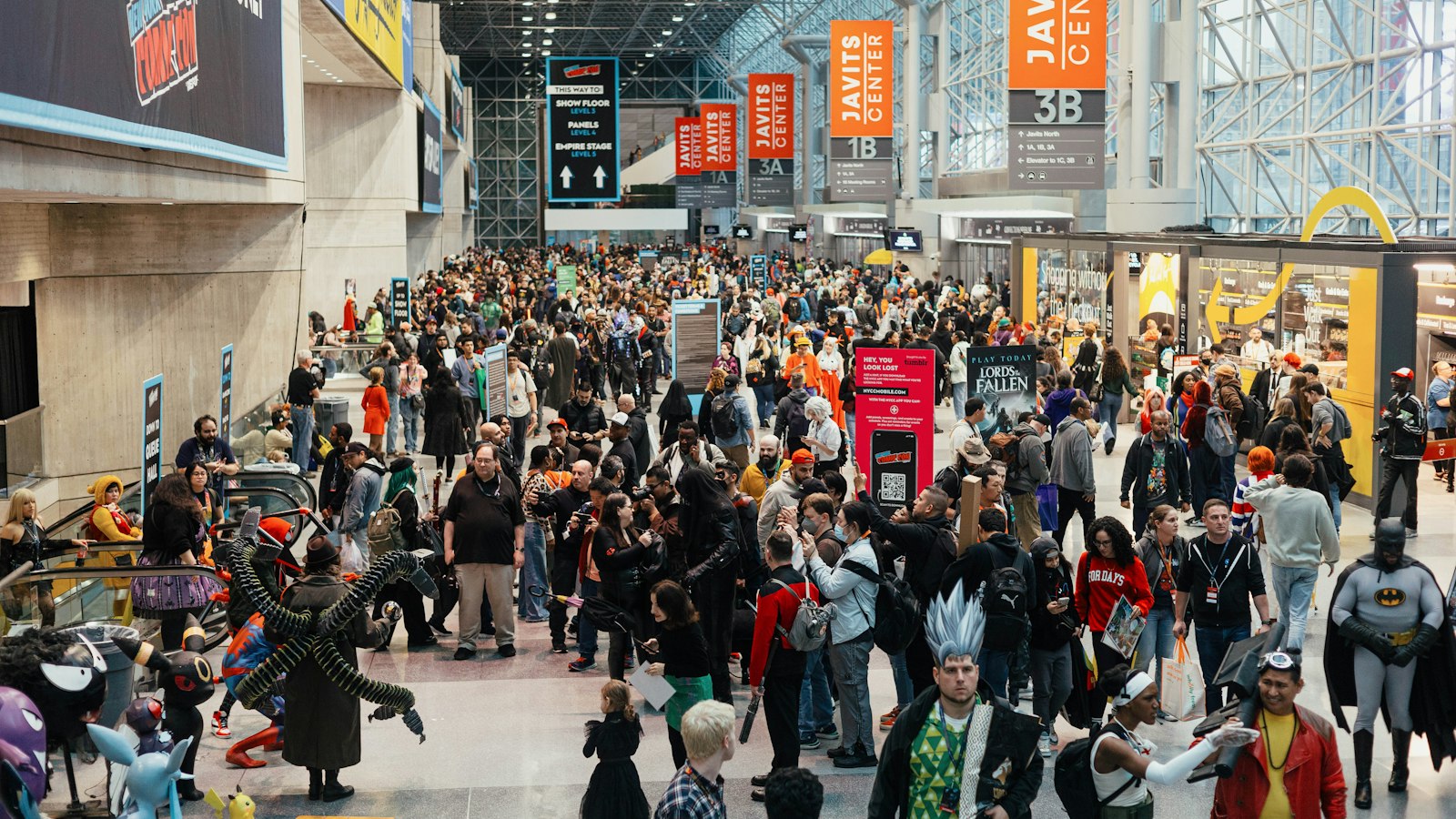
There are few better feelings in this hobby than handing a creator a book you love and watching them add their name to it. But the signing line is its own little culture, with unwritten rules, real costs, and a few genuine ways to turn a signature into lasting value instead of an accidental defect. Get it right and you walk away with a treasured book and a nice moment with someone whose work you admire. Get it wrong and you have a long wait, an awkward exchange, or a signed comic that actually grades lower than it would have unsigned.
This is our plain-spoken guide to comic signing etiquette: how signing lines really work, how to prepare your books, how the CGC Signature Series witnessing process protects the value of an autograph, and roughly what all of it costs. We have stood in a lot of these lines, so consider this the advice we wish someone had given us the first time.
Why a signature can help or hurt a book
Here is the counterintuitive truth every collector needs to understand before they hand over a pen: to a professional grader, an unverified signature is just ink on the cover — a defect. A raw comic that someone signed at a table, with no proof of who signed it or when, can grade the same as or lower than an unsigned copy, because the grader has no way to authenticate the autograph. The mark is real to you, but it is unprovable to a future buyer.
The fix is a witnessed-signature program, which we cover in detail below. The short version: if you care about resale value, the signature has to be watched and certified by an authorised third party. If you are signing a reading copy purely for love, none of that matters and you should just enjoy it. Decide which camp your book is in before you get in line, because it changes everything about how you prepare.
Before the con: do your homework
The best signing days are the ones you planned. A little research beats standing in the wrong line for an hour:
- Confirm the guest list and schedule. Creators cancel, and signing windows are often only a couple of hours. Check the show program the morning of.
- Learn the signing policy. Some creators sign free at their table; some sign through a paid ticket; media-guest actors almost always charge. Know which before you queue.
- Set a per-creator limit. Many artists cap how many items they will sign per person in one pass (often two to five) so the line keeps moving. Bring your top picks, not a whole longbox.
- Bring cash. Table signings, sketch fees, and autograph tickets frequently run on cash, and the on-site ATM line is its own misery.
Prep your books like a pro
How you present a book affects both the quality of the signature and how the creator feels about signing it. A few minutes of prep pays off:
- Remove the book from the bag and board before you reach the table, or have it loose and ready. Fumbling with tape at the front of the line is the classic rookie move.
- Know where you want it signed. Most collectors want signatures in the top border or a clean area of the cover, not across busy artwork. Have a spot in mind and mention it politely.
- Bring the right pen, but ask first. A quality paint pen or archival marker in silver, gold, blue, or black is standard; many creators have a preference or their own pen. Never assume — offer, and let them choose.
- Protect the book on the way home. Fresh paint-pen ink can smear or offset onto the facing surface. Let it dry fully before re-bagging, and slip a clean board behind the cover.
Signing-line etiquette that keeps the line happy
The people at the table are working, often for hours, and the fifty people behind you are waiting. Good etiquette is mostly common courtesy applied under pressure:
- Be ready when it is your turn. Books out, pen decided, personalisation spelled out if you want one.
- Keep it brief and warm. A genuine ten-second compliment about a specific book lands better than a five-minute life story while the line groans.
- Ask before extras. A quick photo or a personalised inscription is usually fine — but ask, do not assume, and do not ask a signing-only guest for a full sketch.
- Do not haggle their fees. If a creator charges to sign or sketch, that is the price. Negotiating at the table is bad form.
- Say thank you and move along. Step aside to bag your book rather than doing it at the table.
Treat creators like the working professionals they are and you will find most of them generous, funny, and happy to chat. The comics community is small, and a reputation for being easy to deal with is worth more than any single autograph.
Free table signings vs paid signings vs media guests
Not all signatures cost the same, and knowing the landscape saves you both money and disappointment. Here is the rough lay of the land:
| Signing type | Typical cost | What to expect |
|---|---|---|
| Comic creator at their table | Often free (tips welcome) | Writers and artists frequently sign a few books free; a per-person cap is common |
| Convention sketch (at table) | ~US$20–300+ | Priced by complexity, from a quick head sketch to a full painted commission |
| Ticketed comic-guest signing | ~US$10–40 per item | Popular creators sometimes use paid tickets to manage huge demand |
| Media / actor autograph | ~US$40–200+ per item | Almost always paid, run through a booth, photo ops usually priced separately |
| Witnessed (CGC) signature fee | ~US$20–35 per signature (plus grading) | Paid to the witnessing service on top of any signing fee |
These are ballpark ranges that shift with the guest and the show, so treat them as a planning guide rather than a fixed menu. The single most important budgeting lesson: for media guests, assume you are paying, and check whether the fee covers a comic, a photo, or both.
CGC Signature Series: turning ink into value
This is the part that separates a sentimental scribble from a book worth a premium. CGC Signature Series (and CBCS has its own verified-autograph equivalent) works like this: an authorised witness from the grading company is physically present and watches the creator sign your book. The witness takes custody of it, and the book is later graded and encapsulated with a special label — famously a yellow one for CGC — that certifies the signature is authentic. Because a neutral party watched it happen, a future buyer never has to take your word for it.
The practical difference is enormous. A witnessed signature on a desirable book can add a real premium; an unwitnessed one on the same book may add nothing or even cost you a grade. If value matters at all, the witnessing has to happen at the moment of signing — you cannot certify it after the fact.
A CGC-witnessed autograph is authenticated on a yellow label; an unverified pen mark can lower a raw grade
If you are new to what those grades and labels actually mean, start with our comic book grading explained guide, which walks through the whole 0.5 to 10 scale and how slabbing works.
How the witnessing process works on the day
The mechanics are simple once you have done it once:
- Find the on-site witnessing desk. Major shows host CGC and CBCS reps who handle Signature Series submissions on the floor.
- Buy your witnessing labels or tokens for the number of signatures you plan to collect that day.
- Take your book to the creator accompanied by the witness (or check it in so the witness handles the signing), and have it signed.
- Return the signed book straight to the desk. It stays in the company custody chain from signing to encapsulation.
- Choose grading and pressing options and pay the fees; the slab ships to you later.
Yes, it costs more and you lose the book for a while. But it is the only way to lock in both the grade and the authenticated signature at the same time.
Multi-signature books and “jam” covers
A cover signed by an entire creative team — writer, penciller, inker, colourist — can be spectacular, and blank “sketch cover” variants are made exactly for this. Two cautions, though. First, chasing multiple signatures across a con (or several cons) with witnessing gets expensive fast, at roughly US$20–35 per signature plus the grading. Second, crowding a cover with too many signatures can look messy and does not always add proportional value. A clean two- or three-signature book from the core team usually beats a cluttered one. Plan the roster before you start collecting names.
What to get signed: pick books that matter
Signatures amplify a book — they do not rescue a dull one. The autographs that hold value tend to sit on issues that already matter: key first appearances, celebrated runs, and a creator signing the very book that made their name. Our most valuable comic books roundup is a good primer on which issues carry weight, and the hubs for Marvel, DC, and indie comics can help you decide which creators you most want to meet. If you are unsure what a term like “first print” or “variant” means, keep our comic book terminology glossary open.
After the signing: protect and record
Whether or not you slab it, a signed book deserves care. Let paint-pen ink dry completely before re-bagging so it does not offset onto the facing page. Store the book upright in an acid-free board and bag, and note the details while they are fresh — who signed it, at which show, on what date, and whether it was witnessed. That record is exactly what a future buyer will want, and it is the natural next step into the broader habit of cataloguing your collection, which we cover in how to organize your comic collection.
Frequently asked questions
Does a signature increase the value of a comic?
It depends entirely on whether the signature is authenticated. A witnessed signature — through CGC Signature Series or a CBCS verified autograph — can add a real premium because a neutral party confirmed it. An unverified signature can add nothing, and on a book you plan to grade raw it may even count as a defect and lower the grade.
What pen should I bring to a signing?
A quality archival marker or paint pen in silver, gold, blue, or black is the standard, since it shows up well on a printed cover and resists fading. Always offer it and let the creator choose, though — many have a strong preference or bring their own pen.
Is it rude to ask a creator for a free sketch?
At a signing-only appearance, yes. Sketches take real time and are usually a paid commission, so asking for a free one puts the creator in an awkward spot in front of a line. A brief personalised inscription is often fine to request politely, but let sketches be something they offer.
Can I get a book witnessed after it is already signed?
No. The whole point of Signature Series witnessing is that an authorised person watches the signing and keeps the book in a custody chain to encapsulation. If it was signed off in the wild, there is no way to certify it as witnessed after the fact — you can only submit it as an unverified signature.
Next, put your new autographs into a system that keeps them safe and findable in how to organize your comic collection, and brush up on what those slab grades mean in comic book grading explained.


