Akira, Vol. 1 Review: The Manga That Changed Everything
Katsuhiro Otomo's genre-defining cyberpunk manga epic.
 By Web Admin

There is manga before Akira, and manga after it. Katsuhiro Otomo’s cyberpunk epic, first serialized in 1982, didn’t just tell a great story — it changed what people believed the medium was capable of, and it kicked open the door for manga and anime in the West. The 1988 anime film is a landmark in its own right, but the original manga is bigger, stranger, and more ambitious in almost every way. This is our full review of Akira, Vol. 1 — where to start, why it matters, and which edition to buy.
What is Akira?
Akira is a six-volume science-fiction epic written and drawn by Katsuhiro Otomo, serialized in Kodansha’s Young Magazine from 1982 to 1990. The current English editions from Kodansha are oversized hardcovers of roughly 300–400 pages each, priced around US$25 per volume. Volume 1 introduces the world and its central relationship; the full story runs to some 2,000 pages, making it one of the great long-form comics of any nation.
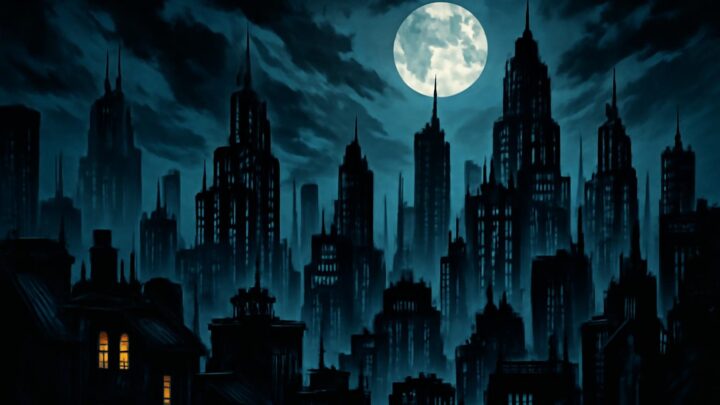
It’s set in Neo-Tokyo, a sprawling, neon-lit metropolis rebuilt on an artificial island after the original Tokyo was destroyed by a mysterious explosion in 1988 that triggered World War III. Decades later, the city is a powder keg of political corruption, student protests, gang violence, and secret government experiments.
The story: Kaneda, Tetsuo, and the power
At street level, Akira follows a biker gang of delinquent teenagers led by the brash, charismatic Kaneda. His childhood friend Tetsuo is the gang’s insecure hothead — always in Kaneda’s shadow, desperate to prove himself. One night, a bike crash brings Tetsuo into contact with a strange, wizened child who has escaped from a secret military facility. The encounter awakens something in Tetsuo: enormous, uncontrollable psychic power.
From there the story detonates. The military, led by the ruthless Colonel, wants Tetsuo contained. A resistance movement wants to use him. And at the center of it all is the mystery of “Akira” — the being whose power once leveled Tokyo, now kept frozen in a vault beneath the city. Volume 1 is the fuse; the friendship between Kaneda and Tetsuo, and its slow, tragic collapse under the weight of Tetsuo’s power, is the emotional engine that drives the whole saga.
The art: still unmatched
Even four decades later, Otomo’s artwork is jaw-dropping. His Neo-Tokyo is rendered with obsessive architectural detail — every alley, overpass, and crumbling building feels real. But it’s his sense of motion that changed the medium: the bike chases, the explosions, the sequences of psychic destruction are choreographed with a cinematic dynamism that reads like storyboards for a film that doesn’t exist. Otomo drew his characters with more naturalistic, less stylized faces than was typical for the era, and the sheer density of his linework rewards slow, careful reading.
This is why the format matters so much (more on editions below). Otomo’s pages were meant to be seen large; cramming them into a small paperback would be a disservice.
The themes: power, youth, and catastrophe
Beneath the spectacle, Akira is a story about power — who wields it, who abuses it, and what happens when it’s handed to someone who isn’t ready. Tetsuo’s arc is a tragedy about a boy given god-like abilities before he’s developed the maturity to handle them. The book is also steeped in postwar Japanese anxiety: the trauma of nuclear devastation, distrust of authority and the military, and the volatility of a disaffected youth generation. Otomo lets these ideas play out through action rather than speeches, which is part of why the book still feels so alive.
Manga vs. the 1988 film
Many readers know Akira only through Otomo’s 1988 anime film, which he directed himself. It’s a masterpiece — but it adapts a story that was only half-finished at the time, so it necessarily compresses and rewrites the ending. The manga is the fuller, richer experience.
| Element | Manga (1982–90) | Film (1988) |
|---|---|---|
| Length | ~2,000 pages, 6 volumes | ~2 hours |
| Story scope | Complete epic | Compressed, altered ending |
| Character depth | Much deeper (esp. side cast) | Streamlined |
| Kei & the resistance | Major roles | Reduced |
| Best for | The full story | A stunning entry point |
Our advice: watch the film to fall in love, then read the manga for the whole story. Reading Volume 1 first also makes the film’s compressions much easier to follow.
Content warning
Akira is a mature work. Expect graphic violence, body horror (Tetsuo’s transformations become genuinely grotesque later in the series), gang brutality, and heavy themes. It’s aimed at adult readers, not children.
Pros and cons
Pros
- Historically the most influential manga ever exported West
- Otomo’s art and action are still unmatched
- Epic, complete story with real thematic weight
- Kodansha’s oversized hardcovers are gorgeous
Cons
- A big (and pricey) commitment across six volumes
- Dense; not a light, casual read
- Graphic violence and body horror
Which edition should you buy?
Editions matter more here than with almost any other manga, because Otomo’s detail demands scale.
| Edition | Format | Approx. price | Best for |
|---|---|---|---|
| Kodansha hardcover, Vol. 1 | Oversized HC, B&W | ~US$25 | The definitive read |
| The 35th Anniversary Box Set | All 6 volumes + extras | ~US$200 | Committed fans / collectors |
| Older color / small editions | Varies | Varies (used) | Not recommended for a first read |
Start with the oversized Kodansha hardcover of Volume 1. If it grabs you — and it will — the anniversary box set is one of the best physical comics objects money can buy.
AmazonCheck price on AmazonWhere it fits in manga history
Akira is essential reading for anyone serious about manga, and it’s a cornerstone of the mature, adult-oriented storytelling you’ll find in our guide to the best seinen manga. As science fiction, it stands alongside the classics in our best sci-fi graphic novels roundup. And because it’s a self-contained epic collected in premium volumes, it’s a natural pick for readers browsing our best manga box sets guide.
Is Akira a good first manga?
It can be, but it’s a demanding one. If you’re brand new to Japanese comics, you might warm up with something more immediately accessible from our best manga for beginners list, then graduate to Akira when you want something ambitious. That said, if you already love cyberpunk or the anime, don’t wait — dive straight in. Explore more of the medium in our Manga hub.
The verdict
More than forty years on, Akira remains a towering achievement — a book that changed an entire art form and still reads like nothing else on the shelf. It’s a significant investment of money and attention across six volumes, but no serious comics library is complete without it. It sits at the top of our best graphic novels list for manga, and we recommend it to any adult reader ready for the ride.
Frequently asked questions
How many volumes of Akira are there?
The complete story runs across six oversized volumes in Kodansha’s current English edition, totaling roughly 2,000 pages. Volume 1 is the place to start.
Should I read the manga or watch the movie first?
Either works, but they differ significantly. The 1988 film compresses and alters the ending because the manga wasn’t finished yet. Many readers watch the film first, then read the manga for the complete, deeper story.
Is Akira appropriate for younger readers?
No — it’s a mature work with graphic violence, body horror, and heavy themes. It’s aimed at adults. Younger readers should start with our manga for beginners picks.
Which Akira edition is best?
Kodansha’s oversized black-and-white hardcovers are the definitive way to read it, printed large enough to do Otomo’s art justice. The 35th Anniversary Box Set collects all six volumes for committed fans.
Next, explore more mature Japanese classics in our best seinen manga guide, or browse premium collections in our best manga box sets roundup.