Seven to Eternity Review: A Fantasy Epic About Temptation
A full review of Seven to Eternity, Rick Remender and Jerome Opeña's gorgeous, morally thorny fantasy about a dying knight offered everything he wants by the god he must destroy.
 By Web Admin

The best fantasy is not about magic swords. It is about choices, and Seven to Eternity is built around one of the hardest a story can offer: what would you give up to save your family, and would you still be worth saving afterward? Written by Rick Remender with breathtaking art by Jerome Opeña and colours by Matt Hollingsworth, this Image Comics series ran from 2016 to 2021 across 17 issues, collected in four volumes. It is a lean, morally thorny fantasy epic, and it is one of the most beautiful comics of its era. Here is our full review.
Where Remender’s Black Science is frantic and sprawling, Seven to Eternity is focused and mythic. It takes a classic quest structure and quietly poisons it, turning a hero’s journey into a sustained argument about temptation, pride and the stories we tell ourselves to justify what we want.
What is Seven to Eternity?
Seven to Eternity is a completed, creator-owned fantasy series published by Image Comics from 2016 to 2021. It runs 17 issues, collected in four trade paperbacks and a single oversized deluxe hardcover that gathers the entire story. Volume 1, “The God of Whispers,” collects the first four issues and costs around US$10.
The story is set on the dying world of Zhal and follows Adam Osidis, a knight of a disgraced order called the Mosak. Adam is already dying of a slow, magical illness. He is also the last hope against the Mud King, also known as the God of Whispers — a tyrant who rules not through armies but by whispering into people’s minds and granting them their deepest desires in exchange for absolute loyalty. When the God of Whispers offers Adam exactly what he wants, the book becomes a study in temptation.
The story: a poisoned quest
On the surface, this is a familiar setup: a dying knight, a corrupt god, a fellowship of strange allies, a dangerous journey. Remender knows you know the shape, and he uses that knowledge against you. The central tension is not whether Adam can defeat the God of Whispers, but whether he should even try — because the god’s offer is real, and refusing it means dooming the family Adam loves. Every step of the quest is shadowed by the whisper that surrender would be easier, kinder, and maybe even right.
The result is a fantasy where the biggest battles are internal. Adam is not a shining hero; he is a proud, wounded man carrying the weight of his father’s legacy and his own resentments, and the story refuses to make his choice simple. That moral ambiguity is what elevates Seven to Eternity above standard sword-and-sorcery.
The theme: everyone has a price
The God of Whispers is one of the great fantasy villains precisely because he never has to fight. He simply knows what you want and offers it. That makes the book a meditation on temptation and the stories we tell ourselves: is Adam’s refusal principled, or just another form of pride? Is giving in weakness, or love? Remender keeps the question genuinely open, and the supporting cast — each with their own bargain, their own compromise — turns the whole world into a chorus of people who took the deal.
The art: Jerome Opeña at his peak
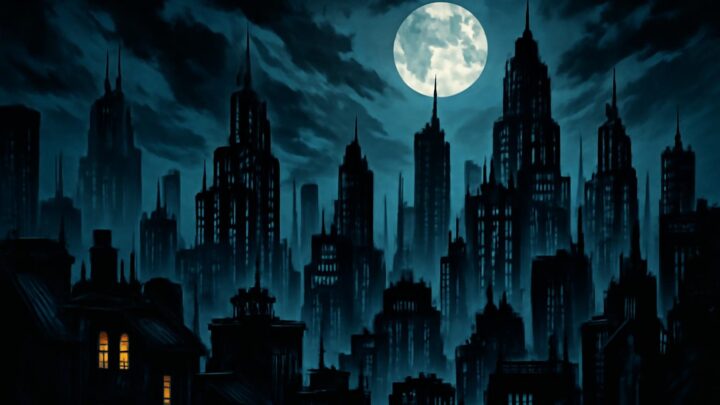
This is, first and foremost, a stunning object. Jerome Opeña is one of the finest draftsmen in comics, and Seven to Eternity is arguably his career peak: intricate creature and armour design, sweeping alien landscapes, and figure work of astonishing detail. Matt Hollingsworth’s colours are equally essential, shifting from warm desert light to cold, unearthly magic. Every page rewards slow looking. This is a book you buy in print, in the largest edition you can afford, because the art is a huge part of the experience.
Content notes
This is a book for older teens and adults. Expect fantasy violence and some gore, dark and despairing themes around illness, death and moral corruption, and a generally heavy, melancholy tone. There is little in the way of explicit sexual content, but the emotional weight is real. It is less graphic than Black Science but more sombre, and readers looking for light escapism should know it aims for something heavier.
Pros and cons
Pros
- Some of the most beautiful art in modern comics
- A genuinely thoughtful story about temptation and pride
- A memorable, non-violent central villain
- Completed series with a definitive ending
Cons
- Deliberately slow, patient pacing
- Dense worldbuilding that asks you to keep up
- Melancholy tone throughout
The world of Zhal
One of the quiet pleasures of Seven to Eternity is how much world Remender and Opeña build without stopping to lecture you. Zhal is a dying planet with its own ecology, castes and history, and the book trusts you to absorb it through action rather than exposition dumps. The Mosak, Adam’s disgraced knightly order, carry a legacy of both honour and failure, and the tension between what the order was supposed to be and what it has become shadows every choice Adam makes.
Opeña’s design work does an enormous amount of storytelling here. The armour, the creatures, the ruined landscapes and the strange magic all feel like they belong to a single coherent culture, which grounds the fantasy and makes the stakes feel real. It is the kind of worldbuilding that rewards a second read, when you start noticing how carefully the visual language was laid down from the very first pages. For readers who love getting lost in a fully realised secondary world, that density is a feature, not a hurdle.
How it compares to other fantasy comics
Fantasy comics range from breezy adventure to grim epic, and Seven to Eternity sits firmly at the ambitious, literary end. Here is how it lines up against the comparisons readers reach for.
| Series | Vibe | Length | Best for |
|---|---|---|---|
| Seven to Eternity | Mythic, morally complex | 17 issues, complete | Readers who love hard choices |
| Saga | Space-fantasy family drama | Ongoing | Indie newcomers |
| Epic dark fantasy | Sprawling, brutal | Varies | Grimdark fans |
For more, see our best fantasy comics and best Image Comics guides, or start your indie journey with our Saga review.
Which edition should you buy?
Because the art is so central, the format you choose matters more here than for most comics.
| Edition | Collects | Approx. price | Best for |
|---|---|---|---|
| Volume 1 paperback | Issues #1-4 | ~US$10 | Trying it out |
| Four trade paperbacks | The full run in parts | ~US$60 total | Reading at your own pace |
| Deluxe hardcover | The complete series | ~US$50 | Showcasing Opeña’s art |
If you already suspect you will love it, the oversized deluxe hardcover is the way to go — it gathers the whole story and gives the artwork the room it deserves.
AmazonCheck price on AmazonThe verdict
Seven to Eternity is a gorgeous, grown-up fantasy that trusts its readers to sit with a hard question and not look away. It is patient where Black Science is frantic, and mythic where most fantasy comics settle for adventure. Between Remender’s script and Opeña’s astonishing art, it is one of the most complete and beautiful epics Image has published. It earns a spot in our Indie & Image hub and on our best graphic novels shelf, and we recommend it to any reader ready for fantasy with a conscience.
Frequently asked questions
Is Seven to Eternity finished?
Yes. The series ran from 2016 to 2021 and concluded at 17 issues, so you can read the complete story in four volumes or a single deluxe hardcover.
Do I need to read anything first?
No. It is a self-contained, creator-owned fantasy with its own world and no prior reading required. Volume 1 is the starting point.
Is Seven to Eternity suitable for teens?
It suits older teens and adults. There is fantasy violence and some gore, plus dark themes of illness, death and moral corruption, though little explicit sexual content.
How does it compare to Black Science?
Both are by Rick Remender, but they feel very different. Black Science is fast, sprawling sci-fi, while Seven to Eternity is slow, focused, mythic fantasy with even more spectacular art.
Want more from this team and label? Read our Black Science review for Remender’s sci-fi, or explore something completely different with our Blue Period review.