Beastars Review: The Best Anthropomorphic Drama in Manga
A review of Beastars — Paru Itagaki's strange, brilliant anthropomorphic drama about a gentle wolf, a rabbit he loves, and the predator instinct he is terrified of.
 By Web Admin
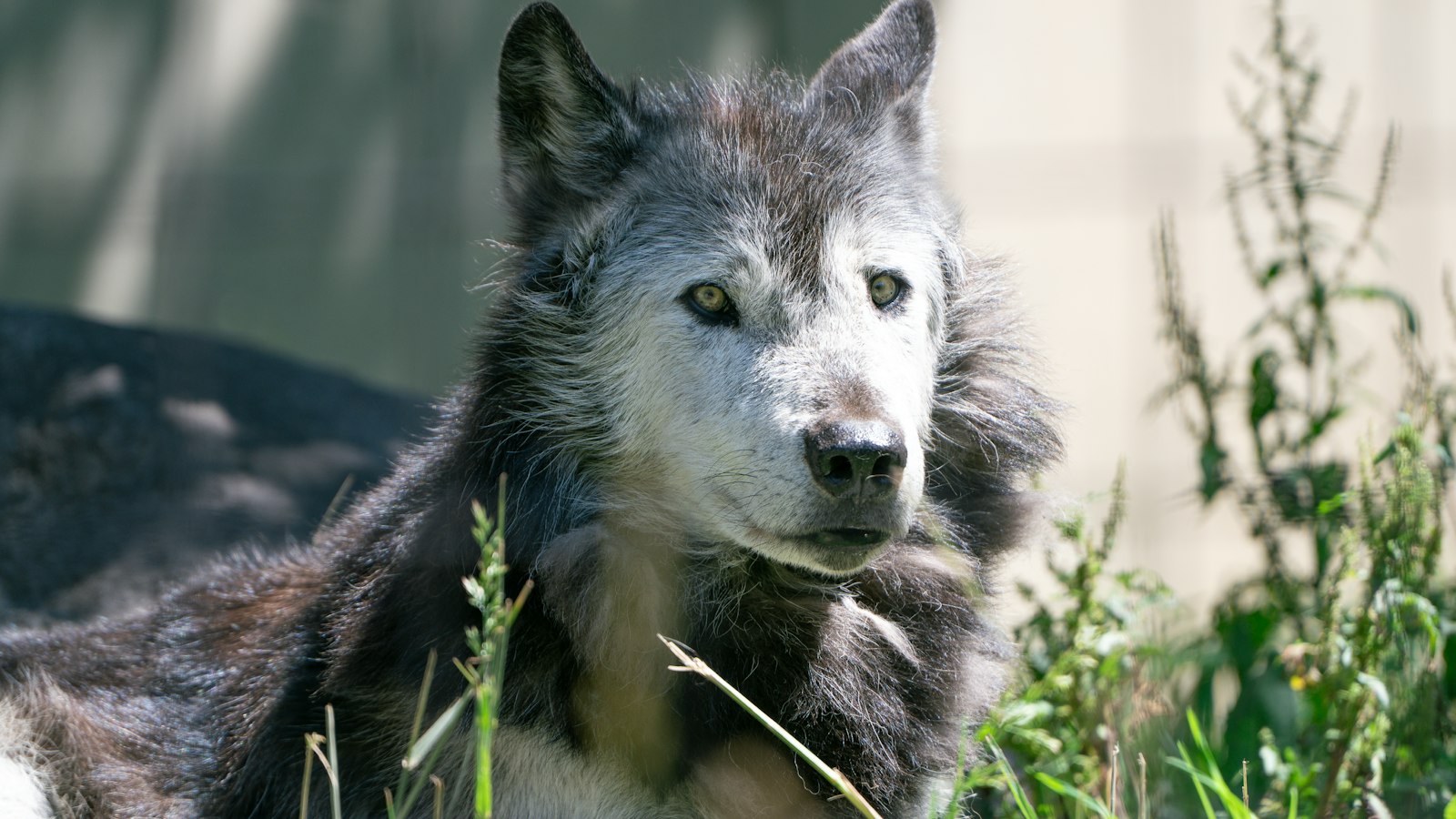
Describe Beastars to someone and it sounds absurd: a coming-of-age drama at a boarding school for talking animals, kicked off by the murder of an alpaca. Stay with it, though, and Paru Itagaki’s series reveals itself as one of the smartest, strangest, and most emotionally honest manga of the last decade. Serialized in Akita Shoten’s Weekly Shonen Champion from 2016 to 2020 and published in English by Viz Media at roughly US$13 a volume, it ran for 22 volumes and swept major awards including the Manga Taisho and a Kodansha Manga Award. This is our full review.
Itagaki — daughter of Baki creator Keisuke Itagaki — built something entirely her own here. It is furry on the surface and Shakespearean underneath, and we cannot stop thinking about it.
What is Beastars?
Beastars is set at Cherryton Academy, a boarding school where carnivores and herbivores study, live, and try to coexist under strict social rules designed to keep predators from eating their classmates. The peace shatters when Tem, an alpaca in the drama club, is killed and eaten one night. Into that tension steps Legoshi, a large, gentle gray wolf who is terrified of his own strength and predatory instincts — and who finds himself drawn to Haru, a tiny, much-gossiped-about dwarf rabbit. Their relationship, and the mystery of the murder, drive a story about what it means to want, to fear, and to choose who you are.
Across 22 volumes, Itagaki uses her animal society to interrogate very human anxieties with startling directness.
The story: instinct versus identity
The central engine of Beastars is the war inside Legoshi between what he is built to do and who he wants to be. His attraction to Haru is inseparable from his predatory hunger, and the series refuses to make that comfortable — it sits in the discomfort and asks hard questions about desire, power, consent, and self-control. Around that core, Itagaki builds a rich social world: a black market where carnivores buy herbivore meat, a caste-like hierarchy, celebrity “Beastars” who symbolize the ideal citizen, and a red deer named Louis whose pride and ambition make him the story’s other beating heart.
It is, underneath the fur, a remarkably mature drama about prejudice, class, and the stories we tell ourselves to feel civilized.
Legoshi himself is the reason it all works. He is enormous and physically terrifying, yet painfully shy, gentle, and unsure of himself — a protagonist defined by restraint rather than power. Watching him try to understand his own urges, and choose again and again not to be the monster society expects him to be, is genuinely moving. Louis, by contrast, is all ambition and wounded pride, a herbivore determined to rule a world built to see him as prey. The friction and grudging respect between the two of them powers some of the best character writing in modern manga.
The themes: a fable with teeth
Anthropomorphic settings often stay cute. Beastars uses its premise as a genuine lens on social division: the carnivore-herbivore divide maps messily and provocatively onto real questions of prejudice, biology, and self-determination. Itagaki never lets the allegory become a tidy lecture — her animals are contradictory, horny, ambitious, and frightened, just like people — but the thematic ambition is real. Few manga this strange are also this thoughtful, and fewer still trust their readers to sit with questions that do not have clean answers.
The art: expressive and unmistakable
Itagaki’s art is scratchy, kinetic, and instantly recognizable. She draws animal anatomy with real conviction — fur, muscle, snout, and posture all carry emotion — and she is fearless with unusual layouts and body language. Early volumes look a little rough, but her craft grows dramatically, and by the midpoint the storytelling is confident and often beautiful. The 3DCG anime is striking in its own right, but the manga’s expressiveness is where the characters truly live.
Content warning: this is mature drama
Do not be fooled by the “talking animals” pitch. Beastars deals frankly with mature themes: predation and violence, sexuality and desire, prejudice, and the darker sides of instinct and power. The carnivore-herbivore tension is often explicitly tied to bodily appetite in ways aimed squarely at older teens and adults. It is thoughtful rather than gratuitous, but it is firmly mature-readers territory.
Pros and cons
Pros
- A genuinely original premise executed with real intelligence
- Legoshi is a uniquely compelling, vulnerable protagonist
- Ambitious themes of instinct, desire, and prejudice
- A complete 22-volume story with a definite ending
Cons
- Mature sexual and violent themes are not for everyone
- The premise is a hard sell until it clicks
- Early-volume art is rougher than the later peak
How Beastars compares to other character dramas
If you value character-driven manga over spectacle, here is where Beastars fits.
| Series | Hook | Volumes | Tone | Best for |
|---|---|---|---|---|
| Beastars | Animal-society drama | 22 | Tense, strange, tender | Fans of bold premises |
| Oyasumi Punpun | Coming-of-age despair | 13 | Bleak, poetic | Literary drama readers |
| A Silent Voice | Guilt and redemption | 7 | Gentle, painful | Emotional realism |
| Fruits Basket | Found family, curses | 23 | Warm, melancholy | Heartfelt slice-of-life |
For more, see our best seinen manga and best slice-of-life manga guides, both of which feature character work in this vein.
Which edition should you buy?
Viz publishes Beastars in standard single volumes; there is no deluxe or omnibus edition in English, so it is a volume-by-volume collection.
| Format | Collects | Approx. price | Best for |
|---|---|---|---|
| Volume 1 paperback | The murder and setup | ~US$13 | Trying it out |
| Single volumes 1–22 | The whole series | ~US$13 each | Collecting the full run |
| Digital volumes | Any volume | ~US$9 each | Bingeing on a budget |
The verdict
Beastars is proof that the most ridiculous-sounding premise can produce something profound. It is weird, uncomfortable, and deeply humane, and it uses a school full of talking animals to say more honest things about desire and prejudice than most “serious” dramas manage. It earns its awards and its place on our best completed manga list. If you can meet its strangeness halfway, it is unforgettable.
Frequently asked questions
Is Beastars appropriate for younger readers?
Not really. Despite airing in a shonen magazine, it deals frankly with sexuality, violence, and predatory instinct, and it reads more like mature seinen. We would steer younger readers elsewhere.
Is Beastars finished?
Yes. It ran from 2016 to 2020 and concluded at 22 volumes with a complete ending. The entire story is available in English from Viz Media.
Is the Beastars manga better than the anime?
They complement each other. The anime’s 3DCG style is distinctive and well regarded, but it adapts only part of the story, so the manga is the complete and, for many, the more expressive experience.
What is Beastars actually about, underneath the animals?
At its core it is about instinct versus identity — whether you are defined by what you are built to be or what you choose to do — with sharp side commentary on prejudice, class, and desire.
Want more standout series? Browse the best manga of all time and our best shonen manga guide, or bounce to something sunnier with our Haikyu!! review.