Astro City Review: The Superhero Comic About Everyone Else
A review of Astro City - Kurt Busiek, Brent Anderson and Alex Ross's warm, humane superhero series that tells cape stories from the ground up, and where to start reading it.
 By Web Admin

Ask what a superhero comic can be beyond punching, and one of the best answers is Astro City. Created by writer Kurt Busiek with artist Brent Anderson and designer-cover artist Alex Ross, it is a superhero series far more interested in the people around the capes than the capes themselves – the bystander, the henchman, the reporter, the retired hero, the ordinary citizen who witnessed something extraordinary. It is warm where the genre is often cynical, and humane where it is often loud. This is our full review of Astro City: what it is, where to start, and why it endures.
If you love superheroes but crave stories with heart and humanity, or if you have never cared for capes and want a way in, this is one of the most quietly essential books in the medium. Here is why.
What is Astro City?
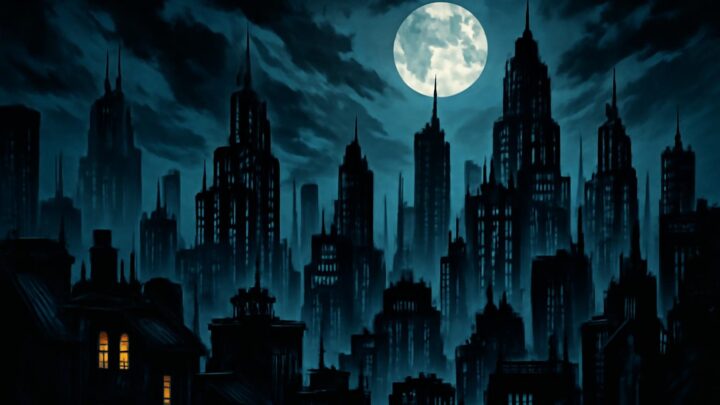
Astro City (originally Kurt Busiek’s Astro City) is a superhero anthology series that debuted in 1995. Over the decades it has moved between publishers – launching at Image Comics, running through Homage, WildStorm, and DC’s Vertigo, and eventually returning to Image – but the creative core has stayed constant: Kurt Busiek writing, Brent Anderson on interior art, and Alex Ross providing the iconic painted covers and character designs. It is set in the fictional Astro City, a metropolis where superheroes are simply part of everyday life.
The key twist is perspective. Rather than following one hero through serialized adventures, Astro City tells largely standalone stories, often from the point of view of ordinary people brushing up against the extraordinary. One issue follows a small-time crook who accidentally learns a hero’s secret identity and now cannot sleep. Another follows a young woman moving to the big city and learning to live under the shadow of gods. Another gives us a day in the life of a flying hero too busy saving the world to have a life. It is the genre reflected through the eyes of everyone who usually gets ignored.
The stories: familiar archetypes, fresh angles
Busiek clearly adores the superhero tradition, and Astro City is populated with loving analogues of the classics: Samaritan is a Superman-like savior so busy rescuing people he never gets a moment of peace; Winged Victory is a Wonder Woman figure who founded a movement; the Confessor is a Batman-esque avenger with a genuine secret. But these are not parodies. Busiek uses the familiarity as shorthand so he can get to the real subject – what it would actually feel like to be these people, or to live in their world.
Because the stories are largely self-contained, you can dip in almost anywhere, though the collected volumes reward reading in order as recurring characters and history accumulate. The tone ranges from bittersweet to genuinely moving, and Busiek is unafraid of stories that end quietly rather than with a fight.
The art: Anderson and Ross
Brent Anderson’s interior artwork is clean, classical, and warm – superb at ordinary human faces and body language, which is exactly what a book this character-focused needs. And then there are Alex Ross’s covers: lush, painted, iconic images that feel like Norman Rockwell paintings of a world with superheroes in it. Ross also designed the cast, and his fingerprints give Astro City its instantly recognizable golden-age-meets-realism look. Together they create a visual world that feels both nostalgic and completely alive.
Where to start
- Vol. 1: Life in the Big City – the essential starting point, a collection of standalone stories that introduces the city and its ethos.
- Vol. 2: Confession – often cited as the peak, a longer noir-tinged mystery about a hero sidekick and his mentor. Many fans call it the best single Astro City story.
- The Dark Age – a longer, grittier saga for readers who want an extended arc.
Pros and cons
Pros
- A fresh, humane angle on the entire superhero genre
- Mostly self-contained – easy to jump into
- Stunning Alex Ross covers and warm Anderson interiors
- Big-hearted without being naive
Cons
- Publisher moves make the reading order confusing to buy
- Anthology format means variable arc lengths
- Quieter and slower than action-first cape comics
How it compares to other superhero comics
If you are weighing where Astro City fits among the great cape books, here is a quick map. It sits alongside works that use the genre to say something bigger, but it is far warmer than most.
| Book | Best for | Length | Approx. price | Tone |
|---|---|---|---|---|
| Astro City, Vol. 1 | Humane, standalone cape tales | ~150 pp | ~US$20 | Warm, hopeful |
| Watchmen | Deconstruction | 416 pp | ~US$20 | Bleak, dense |
| Marvels | Bystander perspective | ~200 pp | ~US$25 | Nostalgic, painted |
| Planetary | Meta pulp mystery | ~400 pp | ~US$30 | Cerebral, cool |
For the wider genre, see our guide to the best superhero comics and, since it began there, the best Image comics. Readers who love this meta approach should also try our Planetary review.
Which edition should you buy?
The current Image editions have made the series far easier to collect than it once was, renumbering the collections into a clean modern sequence. For a first read, start with the first volume.
| Edition | Collects | Approx. price | Best for |
|---|---|---|---|
| Vol. 1: Life in the Big City | The opening standalone tales | ~US$20 | Starting out |
| Metrobook (oversized TPB) | Several volumes each | ~US$30 | Best value binge |
| Vol. 2: Confession | The acclaimed mystery arc | ~US$20 | The single best story |
Is it a good starting comic?
It is one of the best on-ramps to superheroes we know. Because most stories stand alone and require zero continuity homework, a newcomer can pick up Volume 1 and understand everything. It is a book we happily recommend to people who think they do not like cape comics. It also earns a place among the great self-contained cape reads in our best standalone graphic novels guide.
The verdict
Astro City is a love letter to the superhero genre that also quietly reinvents it – proof that cape comics can be gentle, thoughtful, and profoundly human without losing their sense of wonder. Decades on, it remains one of the most rewarding superhero series in print, and a fixture on our list of the best comic book runs. Whether you are a lifelong fan or a curious skeptic, start with Volume 1 – you will be surprised how much a superhero story can move you.
Frequently asked questions
Where should I start reading Astro City?
Begin with Volume 1, Life in the Big City. It is a collection of mostly standalone stories that introduces the setting perfectly, with no prior reading required.
Is Astro City connected to Marvel or DC?
No. It is an original, creator-owned universe by Kurt Busiek, though it features loving archetypes inspired by classic Marvel and DC heroes. It has been published by several companies over the years and currently lives at Image.
Do I need to read the volumes in order?
Not strictly – many stories stand alone – but reading in order deepens the recurring characters and city history. The modern Image Metrobook collections make sequencing easy.
Is Astro City appropriate for all ages?
It skews toward mature themes and emotional complexity rather than graphic content, making it suitable for most teens and adults. It is far gentler than deconstructions like Watchmen.
Explore more capes in our best superhero comics guide, or discover more from the publisher in our best Image comics roundup.