Old Man Logan Review: Mark Millar’s Wasteland Wolverine
Mark Millar and Steve McNiven's brutal dystopian Wolverine epic.
 By Web Admin
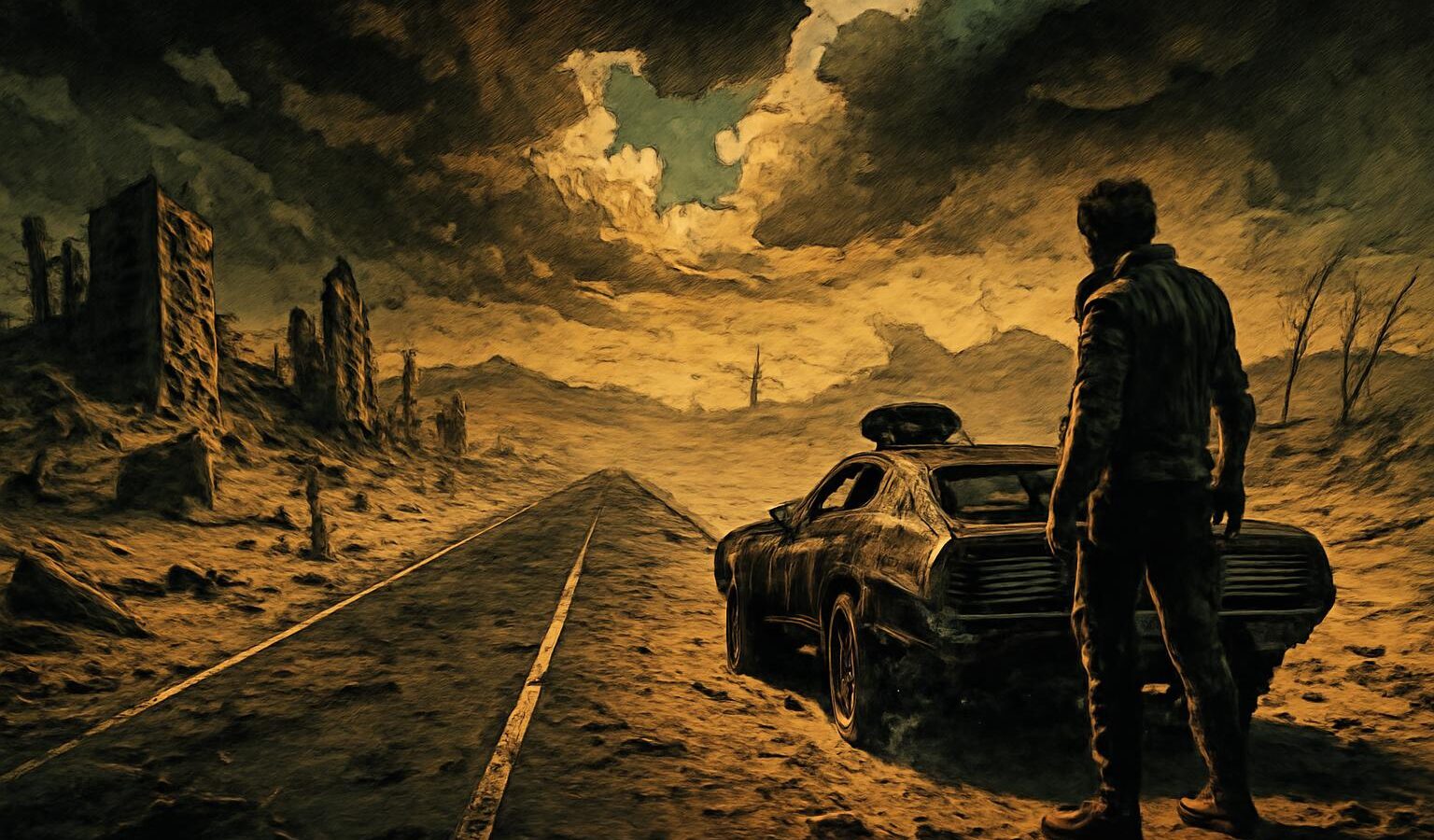
Most Wolverine stories are about the fight. Old Man Logan is about the fifty years after the fight was already lost. Written by Mark Millar and drawn by Steve McNiven, this 2008 Marvel arc drops us into an America where the super-villains stopped bickering, coordinated for one night, and simply won. Half a century later, Logan is a broken pacifist farmer who hasn’t popped his claws since the day the heroes died — and this is the story of what drags him back.
It’s one of the most-requested Wolverine books we get asked about, partly because it loosely inspired the 2017 film Logan. Here’s our full review: what it is, how it reads, the fair warnings, and which edition to buy.
What is Old Man Logan?
Old Man Logan originally ran in Wolverine #66–72 (2008) plus the oversized Wolverine: Old Man Logan Giant-Size #1 (2009), all written by Mark Millar with art by Steve McNiven, the same team behind Marvel’s blockbuster Civil War. It’s set roughly fifty years in a possible future and is designed to read as a near-standalone story — you need only the broadest knowledge of the Marvel universe to follow it.
The premise is bleak and instantly gripping. On a night the survivors simply call the day the villains won, every super-criminal in America struck at once and overwhelmed the heroes. In the decades since, the continent has been carved up between the winners. Logan lives quietly in what used to be California, now “Hulkland,” where he farms with his wife and two kids and has vowed never to use his claws again.
The story: a road trip through a ruined America
The plot engine is simple and perfect. Logan is broke, and rent is due to his brutal landlords. To earn the money, he agrees to help a now-blind, elderly Hawkeye — Clint Barton — drive a mysterious package clear across the country, from the West Coast to what remains of the East. Their vehicle is a repurposed Spider-Buggy, and their route is a guided tour of a Marvel map gone to seed.
Millar treats the journey as a dark travelogue: the Red Skull rules Washington from the old presidential seat, dinosaurs bonded with alien symbiotes roam the plains, and every stop peels back another layer of how the world ended. It is structurally a western — a retired gunslinger, one last job, an escalating pull back toward violence — and it earns that comparison.
Why Logan won’t fight
The emotional core is the mystery of Logan’s vow. We know he was there when the heroes fell, and we slowly learn what happened to him that night. Without spoiling the specifics, the reveal recontextualizes his pacifism as guilt and trauma rather than simple weariness. It’s the most affecting idea in the book, and it’s why the inevitable moment when the claws finally come out lands like a thunderclap instead of a cheer.
The art: Steve McNiven’s widescreen wasteland
Steve McNiven, inked largely by Dexter Vines with color by Morry Hollowell and Jason Keith, delivers some of the best work of his career. His clean, detailed line makes the dusty, sun-bleached landscapes feel enormous, and he stages the eventual action with a widescreen, cinematic clarity. The oversized finale in particular is built for splash-page spectacle. This is a book where buying it in print, on decent paper, genuinely pays off.
Content warning: this is a hard R
Be clear-eyed. Old Man Logan is extremely violent, even by Wolverine standards, and it is emotionally grim from the first page. There is graphic bloodshed, references to sexual violence and the murder of families, and a general atmosphere of despair. It’s a story about atrocity and the toll of survival, not a fun romp — powerful, but not for younger readers or anyone wanting a lighter cape comic.
Pros and cons
Pros
- Reads almost as a standalone — minimal continuity homework
- Career-best, cinematic art from Steve McNiven
- A genuinely fresh premise for a character who’s been everything
- The Logan–Hawkeye road-trip dynamic is a highlight
Cons
- Extremely violent and relentlessly bleak
- Some late-game cameos feel like fan-service
- Millar’s shock beats won’t be for everyone
How it compares to other essential Wolverine books
If you’re building a Wolverine shelf, here’s where this one sits against the other stories we most often recommend.
| Book | Creators | Best for | Approx. price |
|---|---|---|---|
| Old Man Logan (2008) | Millar & McNiven | Dystopian standalone epic | ~US$25 |
| Wolverine (1982) | Claremont & Miller | The definitive origin of the character’s code | ~US$15 |
| Weapon X | Barry Windsor-Smith | Body-horror origin | ~US$15 |
| Wolverine: Enemy of the State | Millar & Romita Jr. | Blockbuster action | ~US$30 |
For the full path through the character, see our Wolverine reading order, and for where Logan fits in the wider mutant saga, our X-Men reading order.
Which edition should you buy?
The naming can be confusing because there’s also a long-running later series about a version of this character who crossed into the main timeline. For the original story reviewed here, look for these collections.
| Edition | Collects | Approx. price | Best for |
|---|---|---|---|
| Old Man Logan paperback | The full 2008–2009 arc | ~US$20–25 | Most readers |
| Original Years Omnibus | The arc + related material | ~US$75+ | Collectors who want it oversized |
| Marvel Select / hardcover | The full arc | ~US$25–30 | A durable shelf copy |
Legacy: from the page to the screen
The book’s DNA is all over James Mangold’s 2017 film Logan, which borrowed its aged, worn-down Wolverine and elegiac tone even though the plots differ completely. The comic also proved influential enough that Marvel later imported a version of Old Man Logan into its main continuity, giving him solo series and a spot on the X-Men. If you enjoy this, that later run is the obvious next stop.
Is it a good place to start?
Surprisingly, yes — with a caveat. Because it’s set in its own future and explains its world as it goes, Old Man Logan works better as a jumping-on point than most superhero books, and it sits comfortably on our list of the best standalone graphic novels. But its brutality means we wouldn’t hand it to a total newcomer to the medium. If you’re new, start gentler via our best superhero comics guide, then come back for this. It’s also a fixture on our best Marvel graphic novels list and in the Marvel hub.
The verdict
Mark Millar is a divisive writer, but here his instinct for high-concept spectacle is perfectly matched to a character who has done everything else. Old Man Logan is a lean, mean, gorgeously drawn dystopian western that gives Wolverine something rare — a real ending to react to — and it more than earns its reputation. Grim, yes, but essential for any serious Wolverine reader.
Frequently asked questions
Do I need to read a lot of X-Men before Old Man Logan?
No. It’s set in a self-contained future and explains its world as it goes. A passing familiarity with the big Marvel names is plenty.
Is the comic the same story as the movie Logan?
No. The 2017 film borrows the aged-Wolverine premise and elegiac tone but tells a completely different story with different characters.
How violent is Old Man Logan?
Very. It’s a hard-R book with graphic violence and dark themes throughout — powerful, but firmly for mature readers.
Where does it fit in Wolverine’s continuity?
The original arc is a possible future, separate from the main timeline. Marvel later brought a version of the character into current continuity in his own series — mapped out in our Wolverine reading order.
Next, browse more capes in our best Marvel graphic novels guide or dive into the wider Marvel hub.