Lobo Reading Order: The Main Man
The satirical ultraviolent bounty hunter, in order.
 By Web Admin
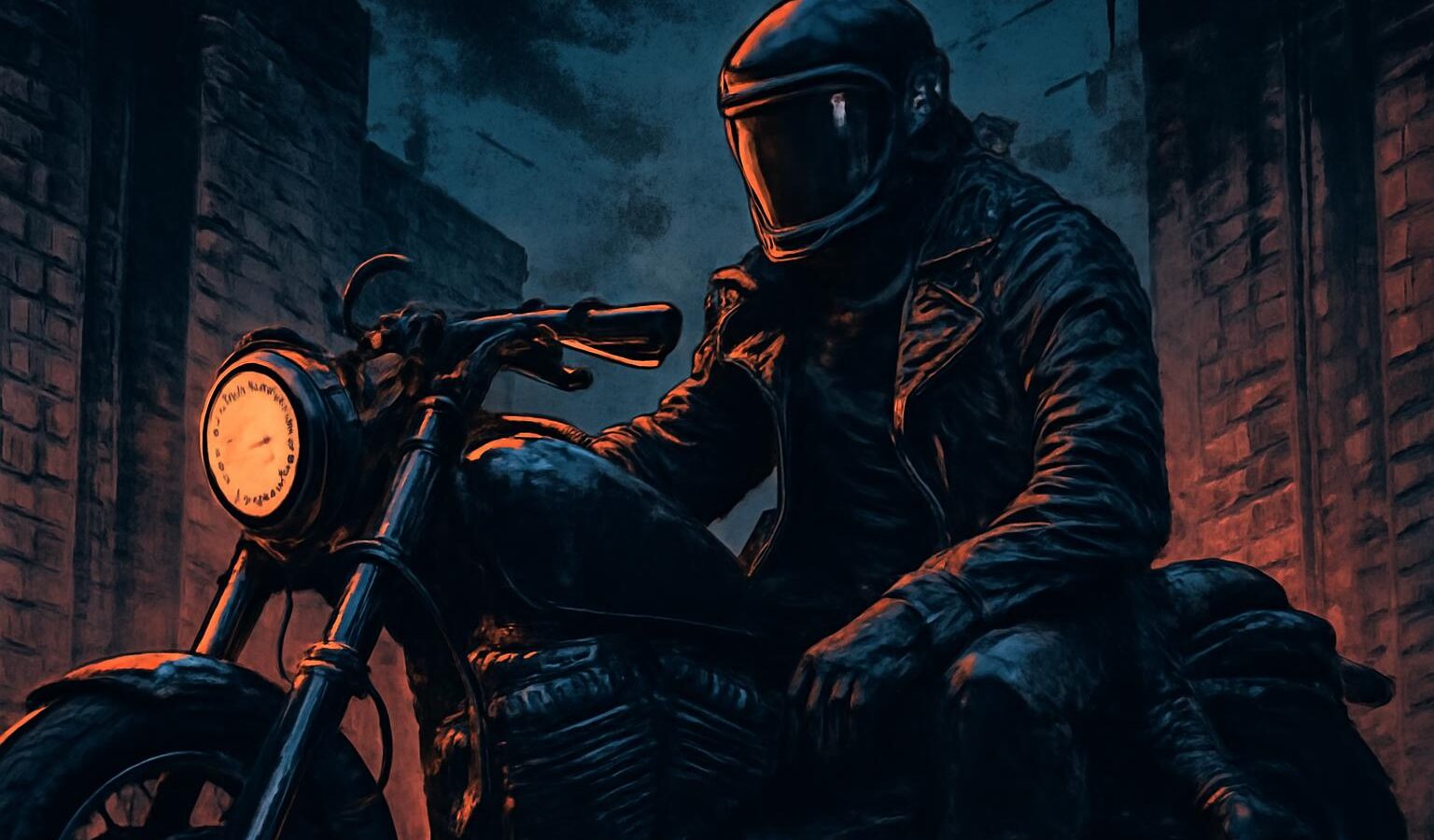
Lobo — the self-proclaimed “Main Man” — is DC’s ultraviolent, foul-mouthed, motorcycle-riding intergalactic bounty hunter, and one of the great accidental icons of comics. He started as a straight-faced minor villain in the early 1980s, then got resurrected in the late 80s as a deliberate parody of the grim, gun-toting antiheroes flooding the market at the time. The joke was that Lobo was too extreme to take seriously. The punchline was that readers loved him anyway, and the parody became a phenomenon.
Reading Lobo is less about following a tight continuity and more about finding the good stuff, because he headlined a flood of miniseries and specials during the 1990s of wildly varying quality. This guide sorts the essential from the disposable and gives you a Lobo reading order that captures why the character mattered — and why he is still funny. Content warning up front: Lobo comics are extremely violent, crude, and satirical, and they are firmly for adults.
Who is Lobo, and why the fuss?
Lobo is the last Czarnian — he personally wiped out his own species as a school science project, for laughs — and now works as a bounty hunter for hire across the galaxy. He has a healing factor so absurd that he cannot be permanently killed, rides a chrome “Spacehog” motorcycle through the vacuum of space, and lives by a warped personal code. Created by Roger Slifer and Keith Giffen in 1983, he was reinvented by Giffen, writer Alan Grant, and painter Simon Bisley into the over-the-top satire fans know today. He is essentially a critique of Wolverine, the Punisher, and every other 90s hardcase — dialed up until the whole genre looks ridiculous.
Reading order at a glance
| Order | Book | Creators | Era |
|---|---|---|---|
| 1 | Lobo (1990 miniseries) | Giffen, Grant & Bisley | 1990 |
| 2 | Lobo’s Back | Giffen, Grant & Bisley | 1992 |
| 3 | Lobo (ongoing series) | Grant & various | 1993–1999 |
| 4 | Lobo (New 52) | Cullen Bunn & others | 2014 |
| 5 | Justice League Odyssey (team appearances) | Various | 2018 |
1. The 1990 miniseries: where the legend starts
The four-issue 1990 Lobo miniseries by Keith Giffen, Alan Grant, and Simon Bisley is ground zero. It pits Lobo against a plague and a rival, but the plot is beside the point — this is a showcase for Bisley’s jaw-dropping painted art and the creators’ pitch-black comedy. Everything the character became is here, fully formed. It is collected (with the sequel) in Lobo: Portrait of a Bastich, which is the single book to buy if you only buy one.
2. Lobo’s Back (1992)
The follow-up is arguably even better. In Lobo’s Back, the Main Man dies and refuses to stay dead — neither Heaven nor Hell will keep him — leading to a gleefully blasphemous rampage across the afterlife. It is the purest distillation of the character’s appeal: a hero so obnoxious that the cosmos itself cannot get rid of him. Bisley’s art is at its most unhinged. This and the first miniseries are the essential Lobo experience.
3. The 1990s ongoing series (1993–1999)
Popularity earned Lobo a long-running ongoing title, mostly written by Alan Grant, that ran through the decade. This is where quality gets uneven. There are genuinely sharp satirical arcs skewering everything from celebrity culture to the comics industry itself, and there are throwaway shock-value issues. It is a dig-through-the-crate era: rewarding for fans, skippable for newcomers. Read it after the miniseries if you want more, and cherry-pick the well-regarded arcs.
4. The New 52 Lobo (2014)
DC’s 2014 relaunch tried to reinvent Lobo as a leaner, more conventionally “cool” assassin — retconning the classic character as an impostor. It was controversial with longtime fans who felt it missed the satirical point entirely, and DC eventually walked much of it back. It is worth knowing about, but it is not where the character shines. The comedy, not the edge, was always the appeal.
5. Modern team appearances
In recent years Lobo has popped up across the DC line — notably in Justice League Odyssey, various Justice League-adjacent titles, and event books — usually as the loose-cannon wildcard on a team of heroes. These are a fun way to see how he plays off straight-laced characters, and they slot neatly alongside our Justice League reading order if you want to follow the team side of things.
A recommended path for newcomers
- Lobo: Portrait of a Bastich — the 1990 miniseries plus Lobo’s Back, the essential core.
- The 1990s ongoing — cherry-pick the satirical highlights if you want more.
- Modern team books — for seeing him bounce off the wider DC roster.
You genuinely do not need to read Lobo in strict order. The character has almost no ongoing arc — each story is a self-contained blast of chaos — so start with the best material and follow your appetite from there.
What makes the classic Lobo stories so good
It is easy to dismiss Lobo as pure shock value, but the best material is genuinely smart. Giffen and Grant understood that the funniest thing about the character is his total sincerity — Lobo believes he is the coolest being in the universe, and the comics never wink at the camera. The satire works because it commits. Bisley’s art, meanwhile, is the secret weapon: his fully painted, grotesquely muscled figures parody the anatomy-obsessed house style of the era while being flat-out gorgeous. Together they turned a throwaway parody into some of the most visually distinctive superhero comics of the 1990s, and the influence rippled across the industry.
A content warning worth repeating
Lobo is one of the most extreme mainstream superhero characters ever published. Expect graphic, cartoonish violence, crude language, sexual content, and humor designed to offend. That is the point — it is satire aimed squarely at adults, mocking the very excesses it depicts. If you go in expecting a family-friendly space adventure, you will get a shock. If you go in for a gleefully nasty comedy, few books deliver harder.
AmazonCheck price on AmazonWhere Lobo fits in the DC universe
Lobo is DC’s great pressure-release valve — a character who exists to puncture the self-seriousness of everyone around him. He works best in small doses and in contrast to straighter heroes, which is why his best modern appearances are guest spots. If the ultraviolent satire clicks, you will find plenty more antiheroes and cosmic weirdness across our DC hub, and he earns an honorable, asterisked mention in our roundup of the best DC graphic novels. He may be a joke, but he is one of the best-told jokes in superhero comics — and a fixture of any honest best superhero comics conversation about the 1990s.
Frequently asked questions
Where should I start reading Lobo?
Start with Lobo: Portrait of a Bastich, which collects the 1990 miniseries and Lobo’s Back by Giffen, Grant, and Bisley. It captures everything that made the character a phenomenon in one volume.
Do I need to read Lobo in order?
Not really. Lobo stories are mostly self-contained one-offs with no ongoing plot, so you can jump in almost anywhere. We recommend the classic miniseries first simply because they are the best.
Is Lobo meant to be taken seriously?
No — that is the whole joke. Lobo began as a deliberate parody of the ultraviolent antiheroes popular in the late 80s and 90s. The satire is the appeal; readers who take him at face value miss the point.
Are Lobo comics suitable for kids?
Absolutely not. They contain extreme violence, crude language, and adult humor by design. Lobo is strictly for mature readers.
For more cosmic DC chaos, see our Justice League reading order or dive into the full DC hub.