Best Horror Manga to Terrify You
Nightmare fuel from Japan — the best horror manga.
 By Web Admin
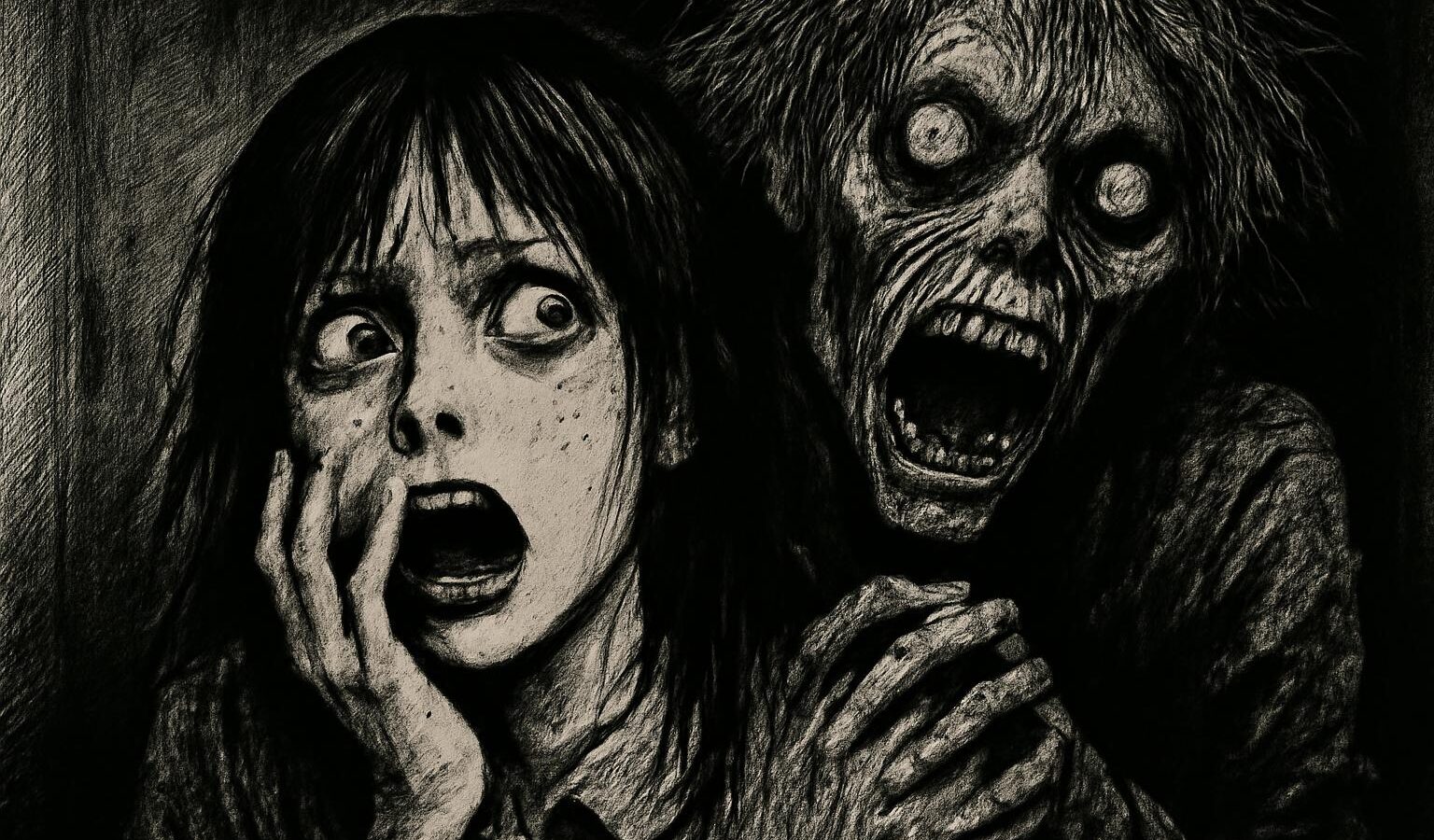
Western horror comics do a lot of things well, but for pure, crawling dread it is hard to beat Japan. Horror manga has spent decades perfecting a specific kind of nightmare — the slow zoom into something you were not supposed to see, the everyday world quietly curdling, the body doing things bodies should not do. Artists like Junji Ito have turned that into a global phenomenon, and a whole generation of readers now knows the sinking feeling of a spiral on a wall or a house that will not stay the same shape.
This guide collects the best horror manga we actually recommend to friends, from the gateway classics to the truly unhinged. We have read all of these, and we have flagged content warnings where they matter, because a lot of these books go to genuinely upsetting places. If you want to be scared, disturbed, and occasionally made to laugh at how far a mangaka will push an idea, start here.
Content warning: the titles below contain graphic violence, body horror, and disturbing imagery. A few (noted in each entry) go further into sexual violence and extreme gore. These are books for adult readers.
Uzumaki — Junji Ito’s spiral masterpiece (2000)
If you read one horror manga, read Uzumaki. Serialized from 1998 to 1999 and collected in 2000, Junji Ito’s story follows the coastal town of Kurouzu-cho as it becomes obsessed — then infected — by spirals. It sounds absurd on paper, and Ito knows it, but the escalation is masterful: a spiral in a snail shell, a spiral in a scar, a spiral in the human ear, until the whole town warps into shapes that turn your stomach. The Viz 3-in-1 deluxe hardcover (around US$22–28) is the definitive edition and one of the best-looking books on any horror shelf. It is the natural companion to our full Uzumaki review.
Tomie — the girl who cannot die (1987 onward)
Ito’s first major work, Tomie, introduced the character that made his name: a beautiful young woman who drives the men around her to murderous obsession, is killed again and again, and always regenerates — sometimes as several Tomies. Collected in a single deluxe hardcover (about US$22), it is an anthology of variations on one perfect, horrible idea. It is less structurally tidy than Uzumaki but arguably more unsettling, because the horror is so intimate and so human. Content warning: murder, dismemberment, and disturbing themes around obsession.
Gyo — when the fish learn to walk (2002)
Rounding out the essential Ito trio, Gyo is his most gleefully disgusting book: sea creatures come ashore on mechanical legs, driven by a wartime “death stench,” and the plague that follows is pure escalating body horror. It is shorter and pulpier than his other work — around 400 pages in the deluxe edition (about US$22) — and it is the one to read when you want horror that is also weirdly, grotesquely funny. Together, Uzumaki, Tomie, and Gyo are the foundation of any horror manga collection.
Berserk — dark fantasy as endurance test (1989 onward)
Kentaro Miura’s Berserk is not marketed as horror, but few books are more horrifying. This dark-fantasy epic about the mercenary Guts and his cursed sword contains some of the most detailed, nightmarish demon design ever put to paper, and the infamous “Eclipse” sequence is a landmark of comics horror. Miura’s linework is staggering. The deluxe hardcovers each collect three volumes for around US$50 and are the best way to read it. Content warning: this is one of the most extreme mainstream manga in print, with graphic violence and sexual violence throughout. See our best seinen manga guide for more in this register.
Tokyo Ghoul — body horror meets tragedy (2011)
Sui Ishida’s Tokyo Ghoul reframed the vampire story for a modern city: flesh-eating “ghouls” hide among humans, and college student Ken Kaneki is caught between the two worlds after a transplant leaves him half-ghoul. It is a gorier, more melancholy read than its popularity might suggest, with striking art and real emotional weight under the horror. The complete series runs 14 volumes (roughly US$12 each), and it pairs well with our Tokyo Ghoul review. Content warning: graphic violence, torture, and cannibalism.
Dorohedoro — grimy, gory, and strangely warm (2000)
Q Hayashida’s Dorohedoro is horror with a sense of humor and a huge heart. Set in the filthy, magic-blasted “Hole,” it follows the reptile-headed Caiman and his friend Nikaido as they hunt the sorcerer who transformed him. The world is grimy and violent, but the characters are so likable that the whole thing reads like a splatter-punk hangout comic. The 23-volume series (about US$13 each, with premium omnibus editions available) has one of the most distinctive art styles in manga.
Parasyte — the alien in the arm (1988)
Hitoshi Iwaaki’s Parasyte is a leaner, more philosophical kind of horror. Shape-shifting parasites invade Earth and take over human hosts by burrowing into the brain; teenager Shinichi ends up with one stuck in his right hand instead, creating an uneasy partnership. It is tense, thoughtful, and full of memorable body-horror set pieces, and its questions about what makes us human still land. The complete collection fits in eight volumes or two omnibus editions (around US$20 each).
Hellstar Remina — the planet that eats worlds (2005)
Another Junji Ito entry, because he has earned it: Hellstar Remina imagines a newly discovered planet that turns out to be a living, ravenous thing devouring the cosmos on its way to Earth. It is cosmic horror crossed with a savage satire of mob mentality, as humanity turns on the girl the planet was named after. The Viz hardcover (about US$22) is a fast, apocalyptic read and a great second Ito book after Uzumaki.
PTSD Radio — dread in fragments (2013)
Masaaki Nakayama’s PTSD Radio is the deep cut on this list and one of the scariest. Told in short, disconnected fragments linked by hair, a malevolent deity, and a creeping sense of wrongness, it works less like a story than like a haunting — you assemble the terror yourself. The Kodansha omnibus editions (about US$20 each) collect it. If you love the ambient, plotless dread of found-footage horror, this is your book.
How the best horror manga compare
Not every horror manga wants to scare you the same way. Here is a quick guide to matching the book to the mood you are in.
| Title | Type of horror | Length | Approx. price | Best for |
|---|---|---|---|---|
| Uzumaki | Cosmic / body horror | 3-in-1 HC | ~US$25 | First-timers |
| Tomie | Psychological / obsession | Deluxe HC | ~US$22 | Character-driven dread |
| Berserk | Dark fantasy | 40+ vols | ~US$50/HC | Epic commitment |
| Tokyo Ghoul | Urban / tragic | 14 vols | ~US$12 ea | Bingers |
| Parasyte | Sci-fi body horror | 8 vols | ~US$20/omni | Thoughtful readers |
How to start reading horror manga
New to the genre? A simple on-ramp works better than diving straight into Berserk.
- Start with a self-contained Junji Ito hardcover — Uzumaki or Tomie — so you can sample his style without a long commitment.
- If the body horror grabs you, move to Gyo or Hellstar Remina.
- Want a longer story with characters to love? Try Tokyo Ghoul or Dorohedoro.
- Only tackle Berserk once you know your tolerance for extreme content.
Reading right-to-left feels strange for about ten pages and then disappears entirely. If you are brand new to the medium, our best manga for beginners guide covers the basics before you scare yourself silly.
Why horror manga hits harder than most horror comics
Part of it is the black-and-white art: shadow does more work, and the imagination fills in the worst of it. Part of it is serialization, which lets a story like Uzumaki escalate one grotesque idea across dozens of chapters until it becomes a worldview. And part of it is simply that Japan has a deep folk-horror tradition — vengeful spirits, cursed objects, bodies as sites of terror — that these artists draw on constantly. If you also read Western horror comics, our best horror comics list makes a great companion, and you can browse everything else in the manga hub.
Which horror manga should you buy first?
For most people, the answer is the Uzumaki deluxe hardcover. It is self-contained, endlessly re-readable, beautifully produced, and it is the book that has converted more horror-curious readers than any other on this list.
Pros
- Complete story in one volume — no ongoing commitment
- Ito’s most iconic, most influential work
- Premium hardcover that looks great on a shelf
- Genuinely frightening and darkly funny
Cons
- Intense body horror is not for everyone
- Episodic structure means a few weaker chapters
- Once you finish, you will want every other Ito book
AmazonCheck price on Amazon
Frequently asked questions
What is the scariest horror manga?
It is subjective, but Uzumaki and PTSD Radio are the two we hear named most often. Uzumaki wins on sheer imaginative dread, while PTSD Radio‘s fragmented, ambient style genuinely unnerves people.
Where should a beginner start with Junji Ito?
Uzumaki is the best entry point because it tells one complete story. After that, Tomie and Gyo round out the essential trio, and all three are available in premium hardcover editions.
Is horror manga suitable for teenagers?
Some of it, with care. Junji Ito’s work is more disturbing than gory and many older teens handle it fine, but titles like Berserk and Tokyo Ghoul contain extreme violence and adult content. Check each book’s warnings first.
Do I need to read manga right-to-left?
Yes — most horror manga is printed in the original right-to-left format, starting from what feels like the “back.” It takes a few pages to adjust and then becomes second nature.
Ready for more nightmare fuel? Compare these with our best horror comics, go deeper into mature titles in the best seinen manga guide, or start fresh in the manga hub.