Comic Book Crossover Events Explained
What crossover events are, and how to read them without buying it all.
 By Web Admin
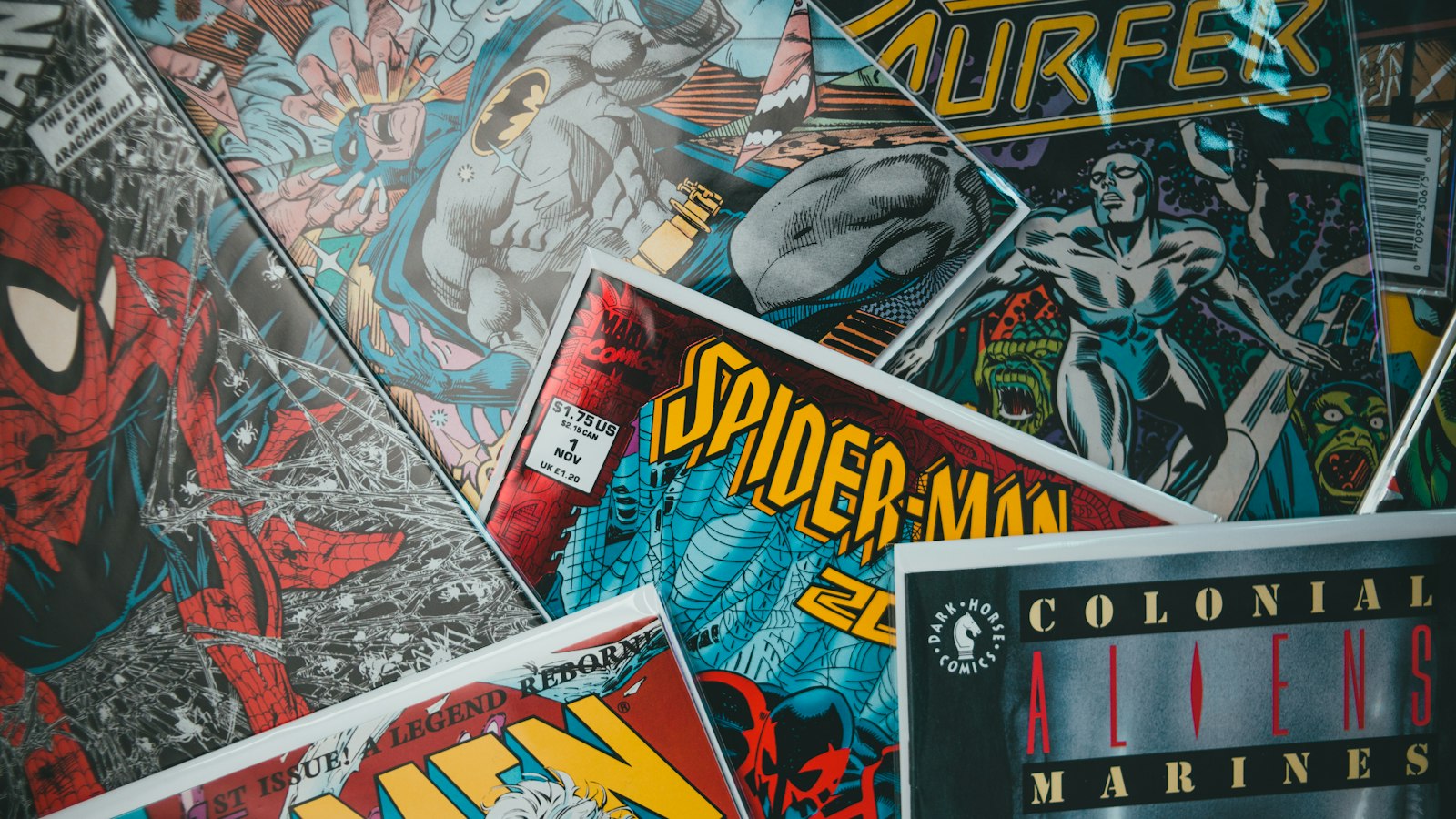
Every summer, the big comic publishers roll out a “line-wide event” — a giant, universe-shaking story splashed across dozens of titles, with dramatic covers promising that Nothing Will Ever Be The Same. For a curious reader, it can look both thrilling and impossible: do you really have to buy forty comics to follow one storyline? The reassuring answer is no. This is our plain-English guide to comic book crossover events — what they are, how they’re structured, how to read just the parts that matter, and which classic events are the best places to start.
What is a comic book event?
A crossover event (or “event comic”) is a major storyline that spans multiple titles across a publisher’s shared universe at the same time. Instead of staying contained in one series, the story is big enough that it spills into — or “crosses over” with — many others. The heroes of the whole universe typically band together (or turn on each other) to face a threat too large for any single title.
Events are the tentpoles of the superhero calendar. They generate excitement, sell a lot of comics, and often permanently change the status quo — a hero dies, a team disbands, a new era begins. Many events also double as reboots or continuity resets, which is why the two concepts are so often tangled together.
Core series vs. tie-ins: the crucial distinction
Here’s the single most important thing to understand, because it’s what makes events manageable. Nearly every event has two layers:
- The core (main) series. This is the central mini-series — usually a self-contained run of issues (say, a 6- or 8-part book) — that tells the complete, essential story from beginning to end. If you read only this, you’ll understand the event.
- The tie-ins. These are issues of other ongoing series that connect to the event — showing how it affects a particular hero, or filling in a side plot. Tie-ins add depth and detail, but they are almost always optional. The core story is written to stand on its own.
Publishers deliberately design events this way. The core series is the “movie”; the tie-ins are the “deleted scenes and spin-offs.” You are never required to buy the tie-ins to follow the plot — that’s a myth that keeps too many people from ever trying an event.
How to read an event without buying everything
Follow this simple approach and you’ll enjoy any event for a fraction of the cost and effort:
- Read the core mini-series only, first. Buy or borrow the collected edition of the main event (it’s usually gathered into a single trade paperback). That’s the whole story.
- Decide if you want more. If a particular hero’s role intrigued you, seek out that character’s tie-in issues afterward. Otherwise, skip them entirely.
- Use a reading guide for the ambitious ones. A few sprawling events benefit from a specific reading order; a quick guide (or a good comics app) will sort that out.
- Consider digital or collected editions. Reading the trade of the core series is far cheaper and less stressful than hunting single issues. A good comic book app often bundles events into easy-to-follow collections.
Do this and an “impossible” 40-issue event becomes a tidy 6-issue read.
The famous events worth starting with
Some events are genuinely great comics that happen to also be huge. These are the ones we’d point a newcomer toward — each tells a strong, largely self-contained story in its core series.
| Event | Publisher | Read this |
|---|---|---|
| Infinity Gauntlet | Marvel | The 6-issue core mini-series |
| Secret Wars (1984) | Marvel | The original 12-issue maxi-series |
| Civil War | Marvel | The 7-issue core series |
| Crisis on Infinite Earths | DC | The 12-issue core series |
| Blackest Night | DC | The core mini + Green Lantern run |
| House of X / Powers of X | Marvel | Both mini-series, read interlaced |
Infinity Gauntlet (Marvel)
The gold standard for a self-contained event. Thanos collects the Infinity Stones and wipes out half of all life; the surviving heroes make a desperate stand. It’s cosmic, operatic, and completely readable as a single six-issue book — the inspiration for the biggest superhero films ever made. If you want more of this flavour afterward, our best cosmic Marvel comics guide is the natural next step.
Civil War (Marvel)
A superhero registration act splits the hero community in two, pitting Iron Man against Captain America. Its core seven issues are tightly plotted and thematically rich, and it’s a favourite jumping-on point for fans of the movies. This is the classic case where you should read the core series and ignore the enormous pile of tie-ins.
Crisis on Infinite Earths (DC)
The event that defined the form. DC’s multiverse collapses, heroes die, and the entire universe is reset. It’s essential history and a genuine landmark. Because it doubles as a reboot, it pairs perfectly with our comic book reboots explained guide.
Blackest Night (DC)
Dead heroes and villains rise as undead “Black Lanterns.” It leans a little more on its surrounding Green Lantern run than the others, but the core mini-series is a thrilling, self-contained horror-tinged epic.
House of X / Powers of X (Marvel)
A modern masterpiece that relaunched the X-Men. Told across two interlaced mini-series, it reinvents mutantkind’s status quo and is best read in a specific interleaved order (any guide or the collected edition sorts this for you). If it hooks you, dive into our Marvel reading order for beginners.
Why do publishers make events?
Understanding the business helps you read events more wisely. Events exist because they:
- Drive sales. A big event is a commercial engine, boosting the core series and every tie-in.
- Create momentum. They give the whole line a shared direction and a sense of consequence.
- Reset or launch eras. Events are the usual vehicle for shaking up the status quo, killing or resurrecting characters, or kicking off a new status quo.
- Reward long-time fans. Seeing the entire universe’s characters collide is a payoff that only decades of shared continuity can deliver.
The flip side is “event fatigue” — when publishers run so many back-to-back events that each one feels less special. Reading only the ones that genuinely appeal to you is the healthiest way to enjoy them.
Should a beginner read events at all?
Pros
- The best events are landmark stories worth reading on their own merits
- The core mini-series is usually self-contained and beginner-friendly
- Events show off the scale only shared universes can achieve
- Collected editions make them cheap and easy to follow
Cons
- Marketing pressures you to buy far more than you need
- Some events assume knowledge of recent continuity
- “Event fatigue” is real when they come too fast
- A few sprawling events genuinely do need a reading guide
Events vs. reboots: how they relate
People often confuse the two, so here’s the clean distinction. An event is a big crossover story. A reboot is a restart of continuity. They overlap because publishers frequently use an event as the delivery mechanism for a reboot — Crisis on Infinite Earths and Flashpoint are events that ended in reboots. But plenty of events (like Infinity Gauntlet or Civil War) change the story without rebooting anything. For the full picture of the restart side, read comic book reboots explained.
Frequently asked questions
Do I have to buy all the tie-in comics to follow an event?
No. Almost every event has a core mini-series that tells the complete story on its own. Tie-in issues from other titles add extra depth and side plots but are optional. Read the core series (ideally as a collected trade paperback) and you’ll understand the whole event.
What’s the best comic event for a beginner to start with?
Infinity Gauntlet is the classic recommendation — it’s cosmic, dramatic, and completely self-contained in six issues. Civil War is another great, movie-familiar starting point. Both tell strong stories in their core series without requiring you to read anything else first.
What’s the difference between an event and a crossover?
The terms overlap. A crossover is any story that spans more than one title; an event usually means a large, line-wide crossover marketed as a major happening. In everyday use, “event” implies bigger scale and more tie-ins, while a “crossover” can be as small as two series briefly meeting.
Are event comics canon?
Yes — line-wide events are almost always part of the main continuity, and they frequently change it permanently by killing characters, launching new teams, or resetting the status quo. That’s a big part of why they’re marketed as must-read moments.
Next, line up a full reading path with our Marvel reading order for beginners, or pick a device-friendly way to read events in our best comic book apps guide.