Blade Reading Order: Where to Start
From Tomb of Dracula to the modern Daywalker runs.
 By Web Admin
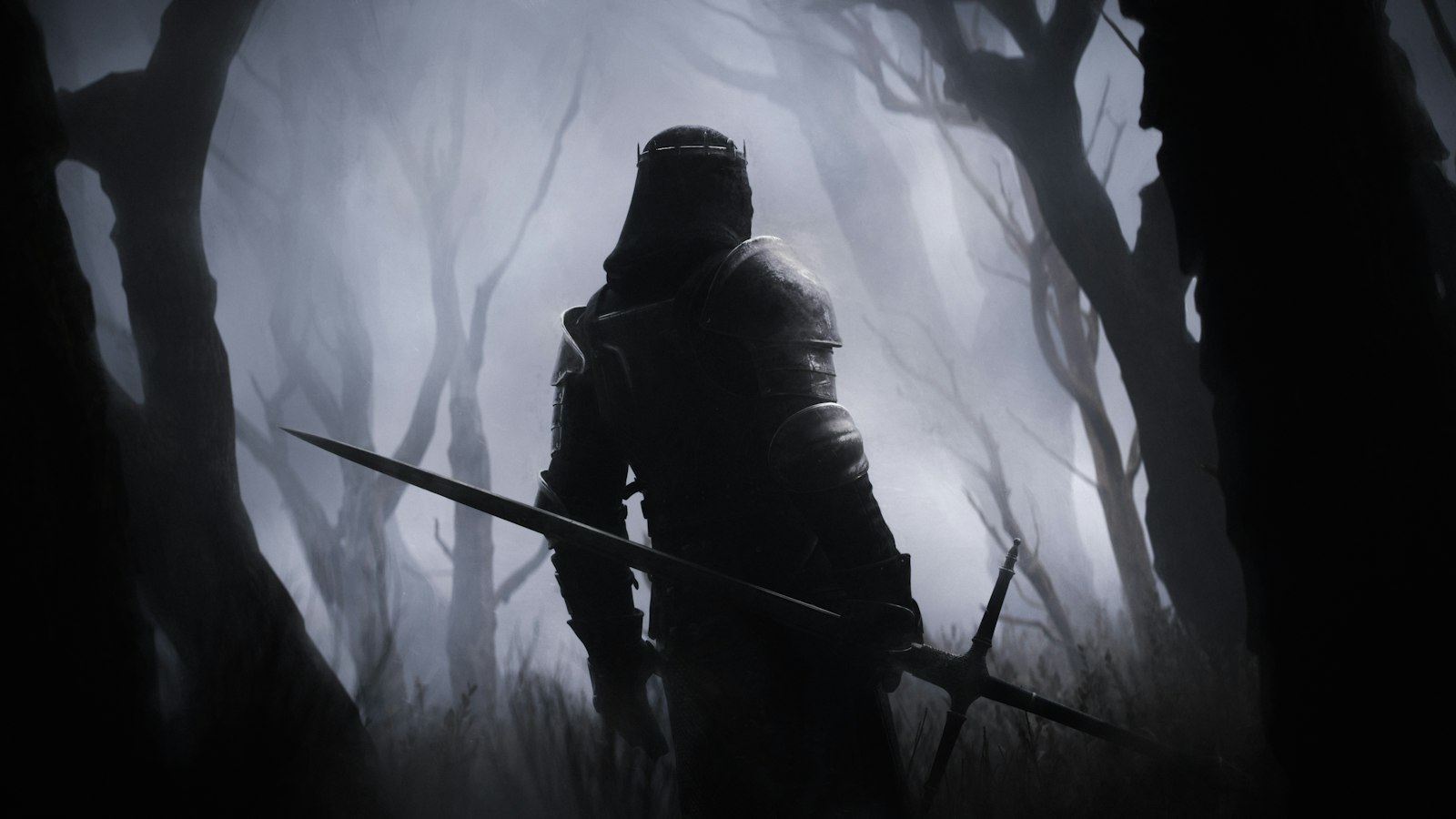
Most people meet Blade through Wesley Snipes in a black leather duster, sword drawn, wading into a nightclub full of vampires. That 1998 film all but invented the modern Marvel movie — but the character it drew from is a quarter-century older, born in the pages of a 1970s horror comic and stitched together from creators who genuinely loved the genre. If you want to read Blade in comics, the good news is that there is a clear spine to follow. The complication is that he starts life as a supporting player in someone else’s book before he ever headlines his own.
This is our Blade reading order for newcomers: where the Daywalker actually starts, which runs are worth your money, and how to skip the filler. We will keep it honest — some of these are hard to find, and we will flag what is essential versus what is for completists.
Who is Blade?
Eric Brooks — Blade — is a half-human, half-vampire hunter. His mother was bitten by a vampire while giving birth, and Eric was born with a vampire’s strengths but human immunity to their weaknesses: sunlight cannot kill him, hence the nickname “the Daywalker.” He was created by writer Marv Wolfman and artist Gene Colan, and first appeared in The Tomb of Dracula #10 in 1973, in the middle of the horror-comics boom that followed a loosening of the Comics Code. For most of his early history he is a hunter, not a hero in the super-sense — a man with a bandolier of teakwood knives and a serious grudge.
Start here: The Tomb of Dracula (1972–1979)
You cannot understand Blade without The Tomb of Dracula. Wolfman and Colan ran this series for a remarkable 70 issues, and it remains one of Marvel’s finest sustained runs in any genre. Blade debuts in issue #10 as one of a team of hunters stalking Dracula across the globe. Colan’s moody, cinematic pencils and Tom Palmer’s inks give the whole book a rain-slicked, gothic atmosphere that later Blade comics keep trying to recapture.
You do not have to read all 70 issues to get Blade’s foundation, but the run is collected cleanly in omnibus hardcovers and in the more affordable Epic Collection paperbacks, and honestly the whole thing is worth it. If you only sample, prioritise the arcs featuring Blade, Hannibal King, and Quincy Harker’s hunters.
The 1970s solo appearances
Blade bounced around Marvel’s horror line in the 1970s, most notably in the black-and-white magazine Vampire Tales, which gave him his first solo stories, and in Marvel Preview. These are pure period pieces — pulpy, atmospheric, and uneven — and they are genuinely hard to track down outside of specialised collections. They are for the curious, not the newcomer.
It is worth understanding the era that produced these stories. In 1971 the Comics Code was relaxed to permit “classic” horror figures like vampires and werewolves, and Marvel raced to fill the gap with titles like Tomb of Dracula, Werewolf by Night, and The Monster of Frankenstein. Blade was a child of that boom — a hunter for a universe suddenly full of monsters. Reading his early appearances, you can feel Marvel experimenting with how a horror character behaves in a shared superhero universe, a tension that still defines him today.
The Marvel Knights era (1998–1999)
When the 1998 film turned Blade into a star, Marvel responded with new material. The most notable is the Blade work that came out of the Marvel Knights imprint around the turn of the millennium, which recast him for a modern, movie-aware audience. It is a tonal bridge between the gothic 1970s character and the leather-clad action hero of the screen. Quality varies, but it is more accessible than the vintage material.
Blade (2006–2007), the Marvel Ongoing
The most reader-friendly solo book is the 2006 Blade series written by Marc Guggenheim with art by Howard Chaykin. It ran 12 issues and leans hard into Marvel Universe crossover fun — Blade tangles with everyone from Spider-Man to Wolverine, and there is a memorable riff on his own continuity. It is not high art, but it is a good, self-contained modern entry point if the 1970s material feels too remote. It is collected in trade paperback.
Modern appearances and team books
In more recent years Blade has surfaced in event books and team titles, including runs of Mighty Avengers and various vampire-centric event tie-ins. These are supporting-role appearances rather than defining solo statements, so treat them as optional extensions once you have the core down. Marvel has also periodically relaunched Blade solo titles, so it is worth checking what is currently in print.
Reading order at a glance
| Order | Book | Creators | Year | Why |
|---|---|---|---|---|
| 1 | The Tomb of Dracula (esp. #10 on) | Wolfman & Colan | 1972–1979 | First appearance, essential foundation |
| 2 | Vampire Tales / Marvel Preview solos | Various | 1970s | Completists only; hard to find |
| 3 | Blade (Marvel Knights) | Various | 1998–1999 | Bridge to the movie-era character |
| 4 | Blade (ongoing) | Guggenheim & Chaykin | 2006–2007 | Most accessible modern solo |
| 5 | Team books & recent relaunches | Various | 2010s–now | Optional extensions |
A note on the films
The Blade trilogy (1998, 2002, 2004) is loosely inspired by the comics rather than adapting any single storyline. It reinvented the character’s look — the shades, the duster, the sword — and much of what modern comics do with Blade is quietly borrowing from Snipes. If you came for the movies, know that the comics are a different, more gothic beast, especially the 1970s material. For more on what is heading to screens, see our roundup of comic adaptations coming soon.
Where Blade fits in the wider Marvel shelf
Blade is Marvel’s gateway to its horror corner, and if you enjoy him you will find plenty more in the same register. He rubs shoulders with the street-level and supernatural side of the universe more than the cosmic one. Readers who like his tone often enjoy our best crime and noir comics guide and the darker end of our best superhero comics list. If you are building a Marvel library from scratch, our best Marvel graphic novels guide is the place to start, and everything ties back to the main Marvel hub.
How to buy it without overspending
The single best value is an Epic Collection or omnibus of The Tomb of Dracula, which gives you Blade’s origin plus one of the best horror runs ever in one volume. Pair that with the 2006 ongoing trade for a modern chaser and you have covered the essentials for well under the cost of chasing individual back issues.
AmazonCheck price on AmazonFrequently asked questions
What is Blade’s first comic appearance?
Blade first appears in The Tomb of Dracula #10 (1973), created by Marv Wolfman and Gene Colan. That book is the correct starting point for anyone reading him in order.
Do I need to read all of Tomb of Dracula?
No. The full 70-issue run is superb, but you can get Blade’s foundation from the arcs he appears in. That said, the collected editions make reading the whole thing painless and rewarding.
Is there a good modern Blade solo comic?
Yes — the 2006–2007 Blade ongoing by Marc Guggenheim and Howard Chaykin is the most accessible modern solo book, and it is collected in a single trade paperback.
Do the comics match the Wesley Snipes films?
Not directly. The films took the character’s name and half-vampire premise and built a new mythology around them. The comics, especially the 1970s material, are more gothic horror than action blockbuster.
Keep exploring the darker side of the universe with our best superhero comics guide, or browse everything in the Marvel hub.