Best X-Men Comics & Story Arcs
From Dark Phoenix to House of X — the essential X-Men arcs.
 By Web Admin
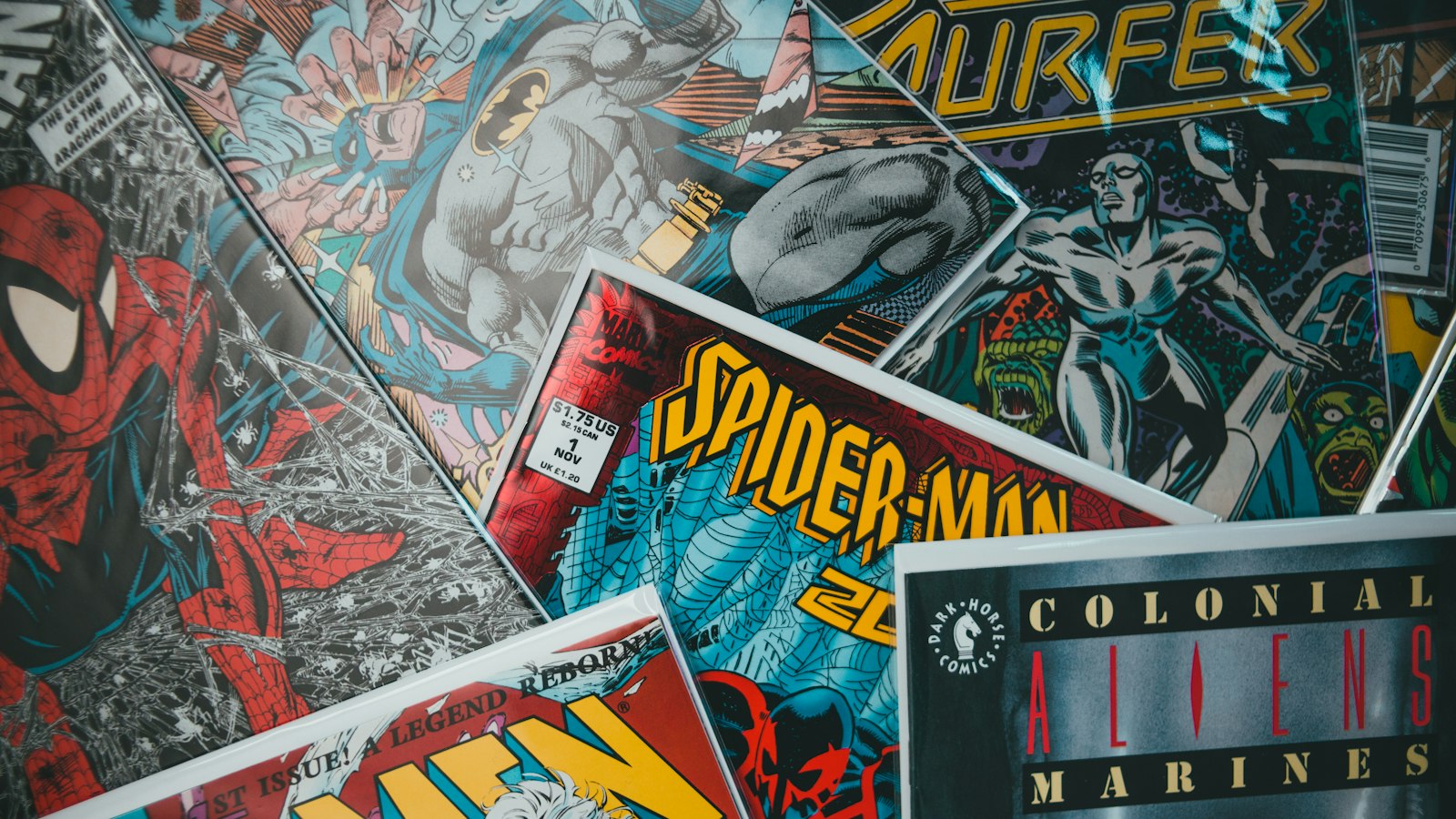
The X-Men are Marvel’s most sprawling, most rebooted, and arguably most rewarding franchise. Six decades of mutants have produced some of the finest superhero storytelling ever printed — and also some of the most tangled continuity in all of comics. The good news is that the truly great X-Men stories are largely self-contained arcs you can read on their own. This guide picks out the essential ones, from the 1980 classic that defined the team to the 2019 relaunch that reinvented it, and tells you exactly which collected editions to buy.
Whether you’re here because of the films, the classic ’90s cartoon, or the newer animated revival, these are the books that show why the X-Men have endured. If you want a full chronological path afterward, pair this with our X-Men reading order.
Why the X-Men matter
At their core, the X-Men have always been about prejudice. Created by Stan Lee and Jack Kirby in 1963 and transformed by Chris Claremont in the ’70s and ’80s, they’re mutants — people born different, feared and hated by the world they protect. That metaphor has flexed to cover civil rights, LGBTQ+ identity, disability, and more, which is why the best X-Men stories feel about something beyond the punch-ups. The other reason they endure: a deep, soap-operatic cast you genuinely come to care about.
The flip side is continuity. The X-line has been rebooted, time-travelled, and cross-crossed so many times that jumping in mid-run can be baffling. Stick to the self-contained classics below and you’ll be fine.
The Dark Phoenix Saga — the definitive X-Men story
Chris Claremont and John Byrne’s The Dark Phoenix Saga (1980) is the arc against which all others are measured. Jean Grey’s escalating cosmic power corrupts her into the world-destroying Dark Phoenix, forcing her teammates — and Jean herself — into an impossible moral choice. It’s operatic, tragic, and surprisingly emotional, and it established the template for the modern superhero epic. Collected on its own for about US$20, it’s the ideal entry point and requires almost no prior reading.
Days of Future Past — the blueprint for dystopia
Also by Claremont and Byrne, Days of Future Past (1981) is a compact two-issue classic that punches far above its length. In a dystopian future where mutant-hunting Sentinels rule and heroes are dead or imprisoned, the survivors send Kitty Pryde’s mind back in time to prevent the assassination that doomed them. It’s been endlessly imitated (and adapted into a hit film), and it remains a tight, thrilling read. Usually collected alongside other Claremont classics.
God Loves, Man Kills — the metaphor at its sharpest
Claremont and Brent Anderson’s God Loves, Man Kills (1982) is the X-Men’s prejudice metaphor at its most unflinching. A televangelist, William Stryker, wages a genocidal crusade against mutants, forcing the X-Men into an uneasy alliance with Magneto. It’s a serious, adult graphic novel that loosely inspired the film X2, and it holds up as one of the most thematically powerful superhero stories ever written. About US$15.
The modern reinventions: Morrison and Whedon
Two 2000s runs dragged the X-Men into the modern era:
- New X-Men (Grant Morrison & Frank Quitely, 2001–2004) — a bold, ideas-dense reinvention that reframed mutants as a burgeoning subculture. Leather uniforms, secondary mutations, and some of the freshest concepts the franchise has seen. Collected in an omnibus or three paperbacks.
- Astonishing X-Men (Joss Whedon & John Cassaday, 2004–2008) — a crowd-pleasing, beautifully drawn run that returned the team to classic-but-modern form. Whedon’s dialogue sparkles and Cassaday’s art is stunning. The perfect follow-up to the classics.
House of X / Powers of X — the modern relaunch
Jonathan Hickman’s House of X / Powers of X (2019) is the most significant X-Men story in decades. It reimagines mutantkind as a sovereign nation on the living island of Krakoa, with a new status quo built on radical ideas about mutant society, resurrection, and the future. It’s structurally ambitious — the two interlocking series are best read in the intended issue order — and it revitalised the entire line. About US$45 for the hardcover collection, and the launchpad for everything that followed.
Age of Apocalypse — the great “what if”
The sprawling 1995 crossover Age of Apocalypse replaced the entire X-Men universe with a dystopian alternate timeline where Apocalypse rules and Professor X is dead. It’s a big, messy, ambitious event that ’90s kids adored, now collected in massive omnibus editions. It’s more of a deep-cut than a starting point, but for fans who want to go big, it’s a blast.
The essential arcs compared
| Story | Year | Best for | Continuity needed | Approx. price |
|---|---|---|---|---|
| Dark Phoenix Saga | 1980 | First X-Men story | None | ~US$20 |
| Days of Future Past | 1981 | Fans of the film | Minimal | ~US$20 |
| God Loves, Man Kills | 1982 | The metaphor at its best | None | ~US$15 |
| New X-Men | 2001–04 | Modern reinvention | Minimal | ~US$25/vol |
| Astonishing X-Men | 2004–08 | Classic-but-modern | Some | ~US$20/vol |
| House of X / Powers of X | 2019 | The current era | Some | ~US$45 |
Which X-Men comic should you start with?
For nearly everyone, the answer is The Dark Phoenix Saga — it’s self-contained, foundational, and shows the team at its most iconic. Follow it with Days of Future Past and God Loves, Man Kills for the rest of the classic era, then jump to Whedon’s Astonishing X-Men for a modern-feeling read. If you want to understand the current comics and the direction of the franchise, House of X / Powers of X is the one to buy. For the full path, follow our X-Men reading order, and for the team’s breakout star see the Wolverine reading order.
Pros
- The best arcs are self-contained — no decades of homework
- Themes of prejudice give the stories real depth
- Spans classic (1980) to modern (2019) with equal quality
- Directly connects to the films and animated shows you know
Cons
- The wider X-line has notoriously tangled continuity
- House of X is best read in a specific interlocking order
- Some events (Age of Apocalypse) are deep-cuts, not entry points
Where to go next
Ready to go deeper? The X-Men reading order maps the whole saga, our best Marvel graphic novels guide covers the wider universe, and the Marvel hub gathers all our Marvel coverage.
AmazonCheck price on AmazonFrequently asked questions
What is the best X-Men comic to start with?
The Dark Phoenix Saga (1980). It’s the definitive X-Men story, self-contained, and requires almost no prior reading. It shows the team at its most iconic and emotional.
Do I need to read X-Men comics in order?
Not to enjoy the classics — arcs like Dark Phoenix and God Loves, Man Kills stand alone. For a chronological path through the franchise, use our X-Men reading order.
Where should I start with the modern X-Men?
House of X / Powers of X (2019) by Jonathan Hickman is the launchpad for the current era. Read the two series in their intended interlocking issue order for the full effect.
Is House of X hard to follow?
It’s ambitious but rewarding. The main challenge is that House of X and Powers of X are meant to be read in a specific alternating order; most collected editions and reading guides lay it out clearly.